Discover Where Your Child Thrives Musically
Choosing between music lessons at a dedicated school and in-home instruction is a real decision for many Houston-area families. On paper, in-home lessons sound perfect: no traffic, no loading kids in the car, and everything happens in your own living room. But as parents, we are not just trying to fill a time slot; we are trying to help our children actually grow, stay motivated, and enjoy music for years.
Our goal is not to criticize in-home instruction. Many private teachers care deeply and do great work. Instead, we want to share what we see every day at Music Academy of Texas, with our Katy and Houston locations, about how the right environment and community can completely change how students experience music lessons.
In this article, we will walk through key differences between learning in a dedicated music school and taking lessons at home, especially around environment, community, structure, and long-term value. Convenience matters, and busy families have to consider it. But convenience is only one piece of the puzzle. The real question is where your child is most likely to stay engaged, progress steadily, and feel proud to call themselves a musician.
Environment Matters More Than You Think
Where lessons happen quietly shapes how seriously students take them. When a child steps into a music school, the space itself says, "This is important." The room, the instruments, and even the schedule create a mental boundary between everyday home life and focused learning.
Compare that with the living room or kitchen at home. Even with a great teacher, it often feels casual. The dog barks, siblings walk through, dishes are in the sink, and it is easy for lessons to feel like just another activity squeezed into the day.
A dedicated music school environment brings unique benefits you rarely get at home:
-
Clear visual and mental signal that it is "music time"
-
Fewer interruptions from doorbells, pets, and family noise
-
Better concentration because the space is built for learning
-
A consistent place that feels special and “for music only”
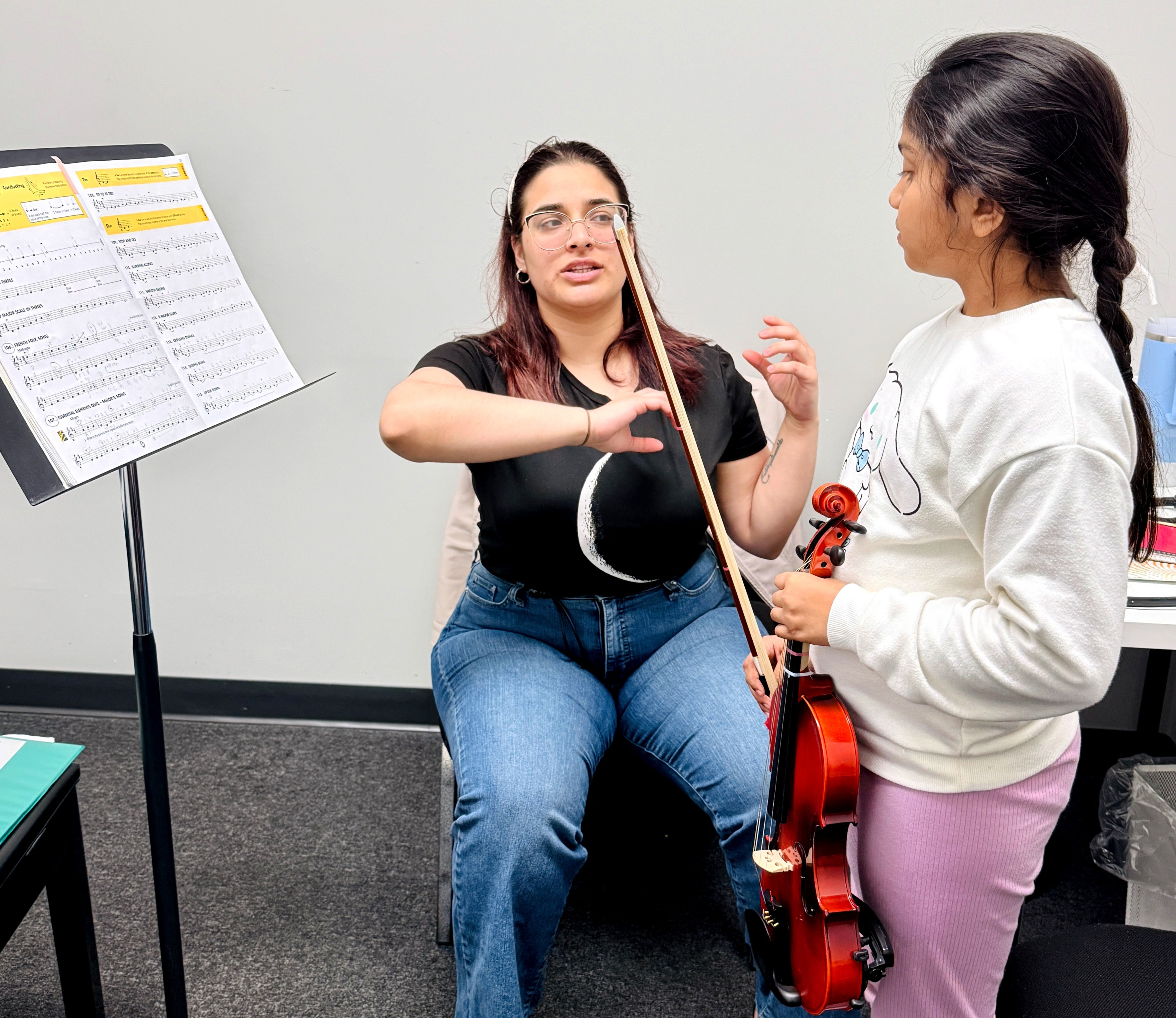
There is also an energy you can feel in a music academy. Students hear piano pieces down the hall, see someone tuning a violin, or notice older students working on advanced songs. That sense of being surrounded by music is powerful. It reminds students that they are part of something bigger than one weekly lesson.
Music schools often have:
-
A range of instruments and properly maintained equipment
-
Method books, sheet music, and learning materials ready to go
-
Technology to support lessons and practice
-
Spaces designed for recitals and small performances
When students walk into a place dedicated to music, they start to see themselves differently. They are not just "a kid taking lessons at home." They are a musician who attends a music academy, and that shift in identity can boost confidence and commitment.
The Power of Community in Musical Growth
Music may start with one student and one teacher, but it grows best in community. At a music school, community means more than just having other people around. It includes peers, teachers, staff, recitals, group classes, and shared events that keep students connected and inspired.
When students see others coming and going with their instrument cases, waiting for lessons, and preparing for recitals, several important things happen:
-
They realize they are not alone in the hard work of practice
-
They get curious about what others are playing and learning
-
They quietly set new goals when they see someone a little more advanced
Group classes, ensembles, and performance opportunities are a big part of this. Playing with others teaches students to listen, keep steady rhythm, and adjust to the people around them. Standing on a stage, even for a short student recital, builds stage presence and resilience that you cannot fully replicate in a living room.
Music is, at its heart, social. Sharing a song with an audience, performing in a duet, or celebrating after a recital adds joy to the process. When students feel supported by a musical community, they are much more likely to stay with their music lessons through the stages where progress feels slow or life gets busy, instead of quietly fading away.
Structure, Accountability, and Steady Progress
Another key difference between music schools and in-home lessons is structure. At home, schedules can shift easily. A busy week, traffic on the way back from activities, or last-minute changes can lead to more cancellations or rushed lessons. Interruptions are common, and over time that inconsistency can slow progress.
In a dedicated music school setting, there is usually:
-
A set weekly lesson time and clear expectations
-
Written policies that protect lesson consistency
-
Regular progress checks and goals that guide learning
-
Planned recital dates that students can work toward
That structure does not have to feel rigid. Instead, it gives students a roadmap. When they know there is a recital coming or a new level of music to reach, practice suddenly has a purpose beyond just "please play your song."
Accountability is also different in a school environment. When students arrive each week and see their teacher, staff, and other students, they feel a gentle pressure to be prepared. They know someone notices if they practiced. For parents, meeting teachers in a school setting can make it easier to ask questions, understand expectations, and track progress over time.
For busy families in areas like Houston and Katy, that kind of structure can be the difference between "we tried lessons for a while" and "music is now part of who my child is."
Convenience vs. Value in Your Music Lessons Investment
It is completely understandable that some families choose in-home instruction for convenience. No driving, flexible timing, and the comfort of home are real benefits, especially with younger children or packed calendars.
But convenience is not the same as value. When we talk about value in music lessons, we mean:
-
Long-term skill your child can use and enjoy
-
Confidence from mastering challenging pieces
-
A deep connection to music, not just a few songs learned
-
Positive experiences that keep them engaged over years
In-home lessons can be a good fit in certain seasons, yet they often come with trade-offs. It is harder to build a sense of community. Performance opportunities are fewer. Boundaries between “home time” and “learning time” blur, and some students respond by caring less about their practice.
Driving to a music academy once a week can feel like one more thing to do. But that small commitment often pays off in better focus, faster growth, and richer experiences. At Music Academy of Texas, we work to respect families’ time with thoughtful scheduling, multiple lesson options, and professional communication, so that every trip to the school feels worthwhile.
How Music Academy of Texas Supports Lifelong Musicians
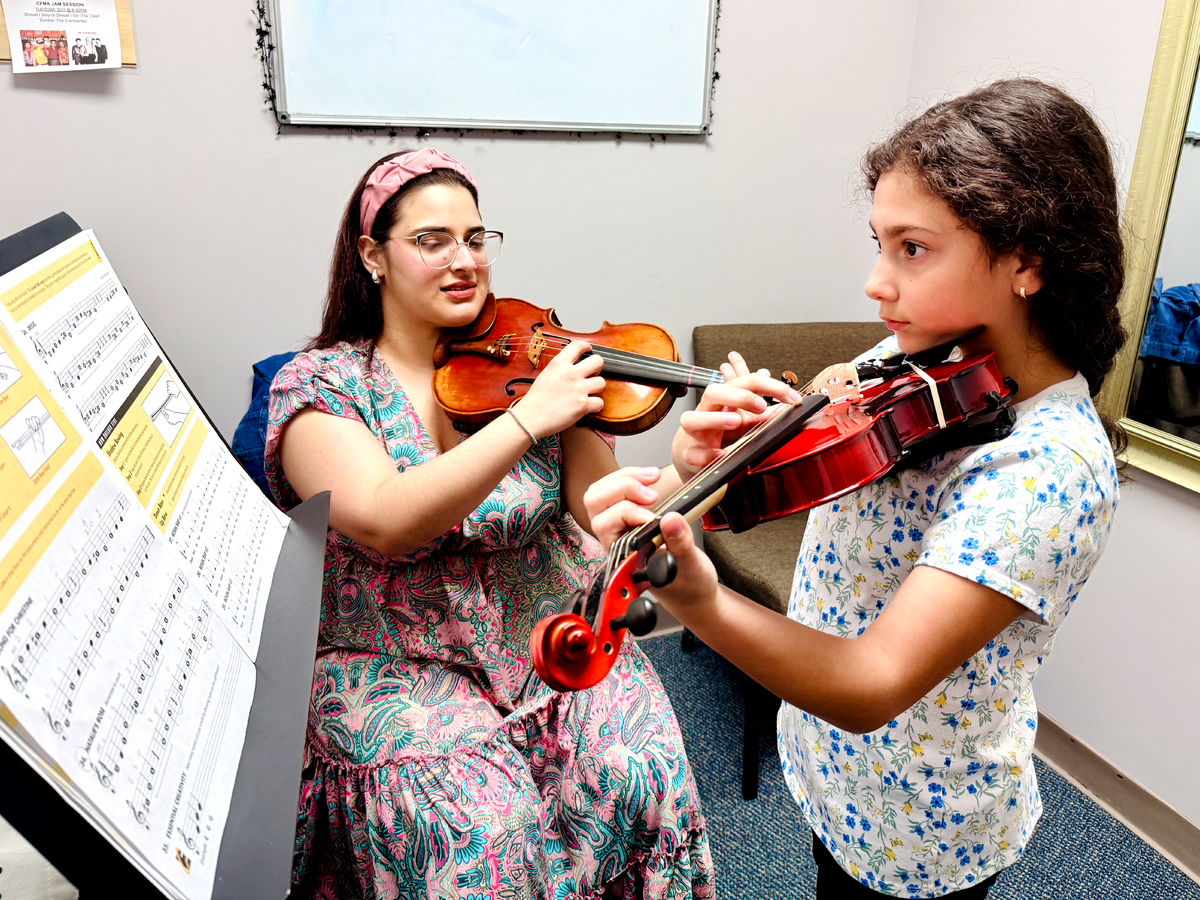
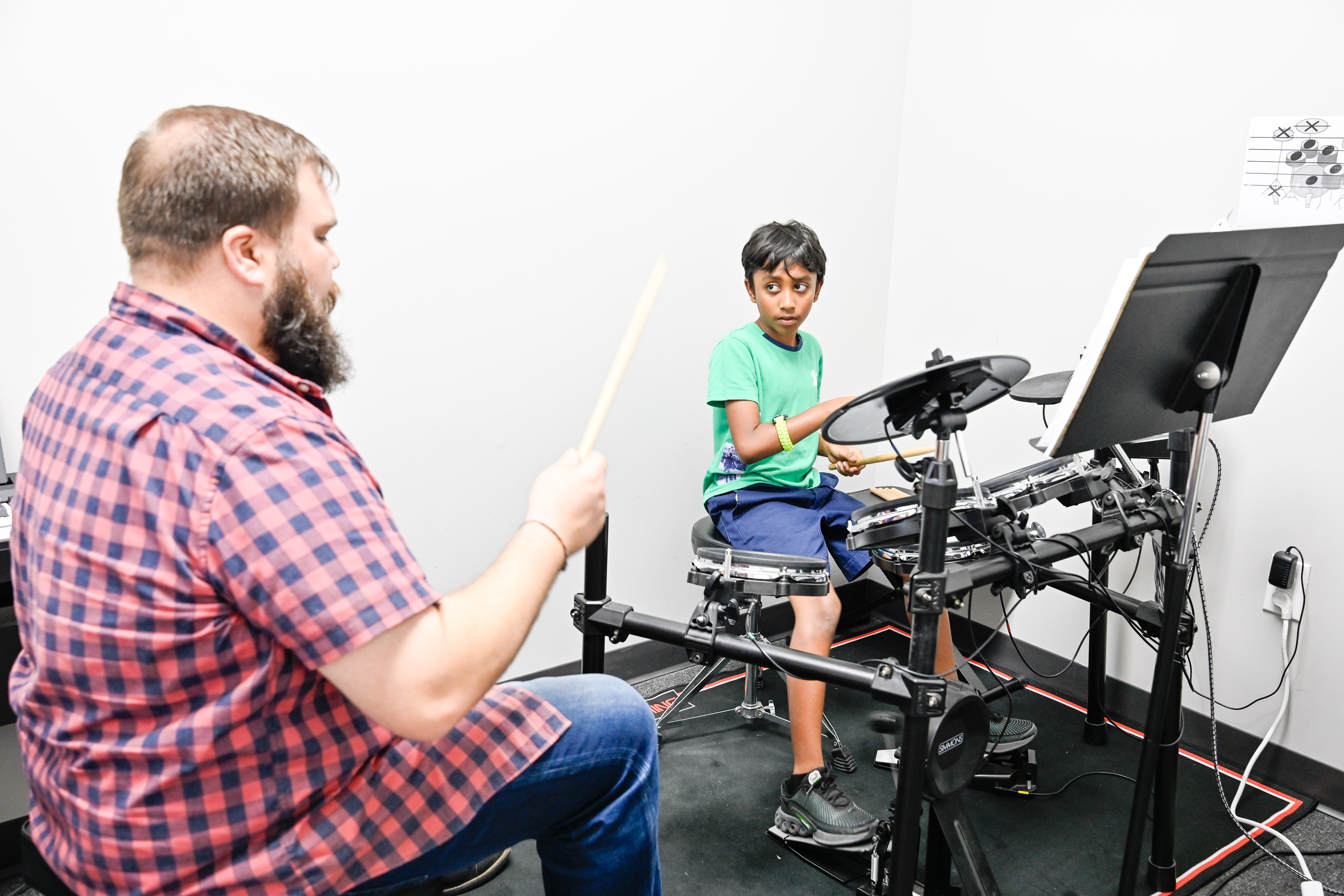
At Music Academy of Texas, we design our programs around the idea that students grow best when they have both personal attention and a larger musical community. Personalized one-on-one lessons let teachers focus on individual goals and learning styles. Group options, recitals, and events then round out that experience so students can apply what they learn in real musical settings.
We offer music lessons for a variety of instruments and voice for children and adults. This means siblings can learn different instruments under the same roof, parents can take lessons too if they wish, and students can explore new areas of interest without leaving the school community they already know.
Our teachers are chosen not just for what they can play, but for how they connect with students. We look for educators who can motivate, explain concepts clearly, and encourage students through both the exciting breakthroughs and the slower weeks.
Both our Katy and Houston locations are designed to feel modern, welcoming, and community-centered. When families walk in, we want them to feel that this is a safe and inspiring place to grow as musicians, whether they are just starting or have been playing for years.
Choosing the Right Path for Your Family’s Musical Journey
As you think about music lessons, it helps to ask: What do we really want for our child? Is it simply a convenient activity at home, or is it lasting skill, joy, and confidence that might stay with them into adulthood?
A dedicated music school often provides stronger support in four key areas: environment, community, structure, and long-term value. Home lessons can be helpful, but they rarely offer the same sense of belonging, accountability, and musical opportunities that come from being part of a school community.
If you are considering moving from in-home lessons to a music school, it is not too late, and it does not mean what you have done so far was wrong. It simply means you are choosing the setting that best matches your goals now.
The place your child learns can shape how they see themselves. With the right environment and community, they are not just taking music lessons; they are growing into someone who feels proud to say, "I am a musician."
Start Your Musical Journey With Confidence Today
Whether you are picking up an instrument for the first time or returning after a break, we are here to guide you every step of the way at Music Academy of Texas. Explore our customized music lessons designed for all ages and skill levels so you can grow at your own pace. If you are ready to talk about schedules, instructors, or the best starting point for you or your child, simply contact us and we will help you get started.