Skip to content

When Practice Time Turns Into Pushback: Understanding Music Burnout in Katy Kids

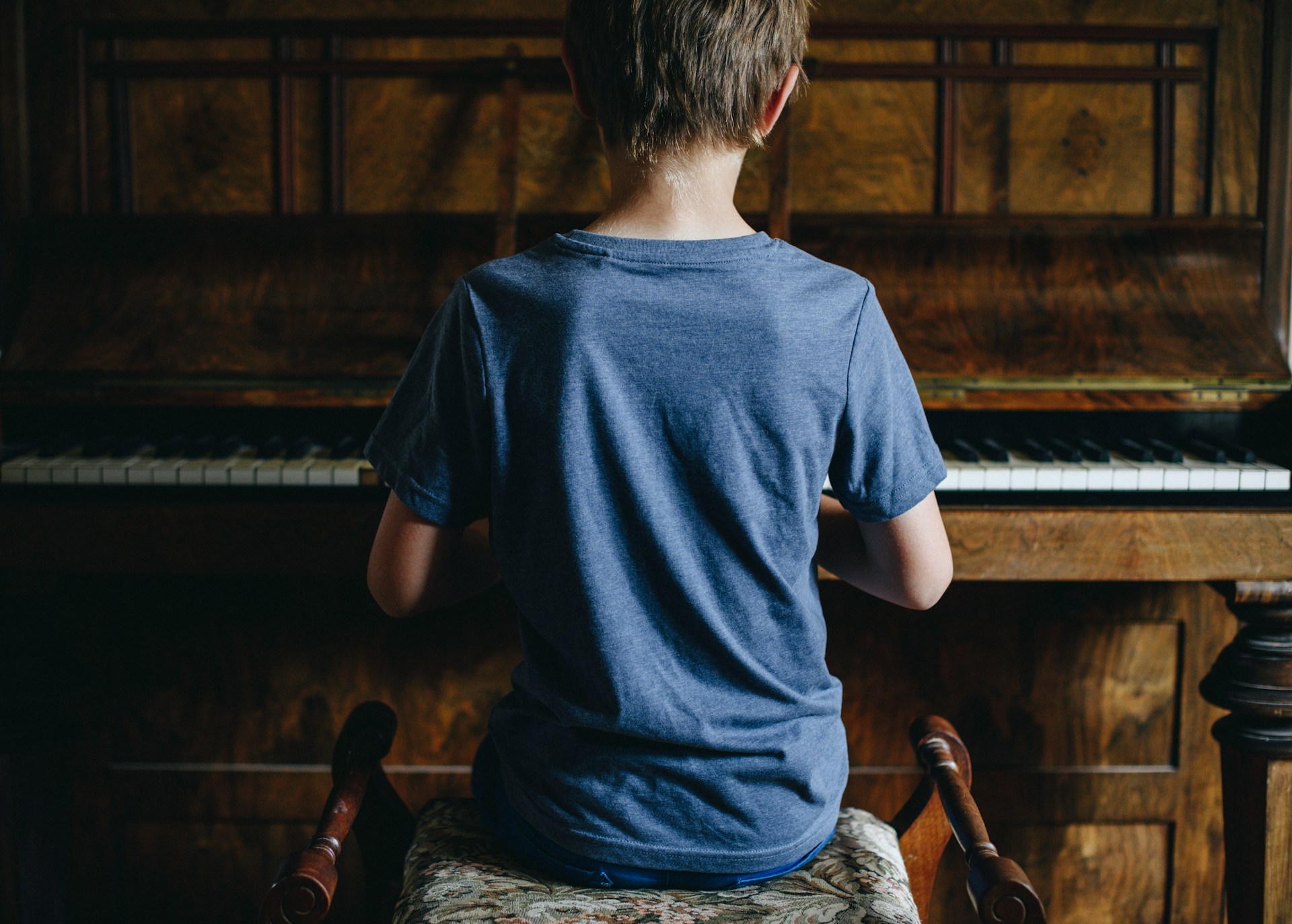
Practice used to go smoothly. Maybe it was not the most exciting part of the day, but there were moments of pride and progress. Now every reminder turns into an argument. The piano sits untouched. The guitar stays in its case. You start to wonder whether this is just a rough week, or whether something bigger is going on.

This is where music burnout can sneak in. Burnout is different from normal complaints or a temporary low-energy mood. It is what happens when your child feels so worn out, stressed, or pressured that music shifts from “I kind of like this” to “I never want to do this again.” Rest alone does not fix it, because the stress is deeper than one late night or one big homework load.

Here in Katy, early spring can be a demanding season. School testing, UIL events, spring recitals, sports, church activities, and family plans can quickly add up. Kids may move from one commitment to the next with very little time to recharge. Music, which should be a creative outlet, can start to feel like just another obligation.

If we ignore music burnout, the impact is not only missed practice. It can chip away at your child’s long-term love of music. The goal is not just getting through this recital or this grading period. The deeper goal is helping kids continue to feel confident and genuinely happy when they sit at the piano or pick up a guitar, now and in the future.

Spotting the Signs: How to Tell If Your Child Is Truly Burned Out

So how can you tell the difference between “I am tired today” and “I am burned out”?

First, look at emotions and behavior. Some signs are:

  • Tears right before lessons
  • Sudden anger when you mention practice
  • Shutting down or going quiet around anything music related
  • Dreading lessons even after good sleep and light homework

Then, look at what happens during practice. Red flags can include:

  • Frequent bargaining to skip or shorten practice
  • Going through the motions without listening or caring
  • Only practicing when bribed or when someone is watching
  • Regularly “forgetting” about lessons or acting surprised every week

You might also notice changes in their body or school life. Some kids start to complain about headaches or stomachaches before lessons. Others seem unusually tired or cranky on lesson days. You may see slipping grades or less interest in activities they used to enjoy, not just music.

One sign on its own may not mean burnout. Patterns over several weeks are what matter.

Why Burnout Happens: the Hidden Pressures Behind the Piano Bench

Burnout almost never comes from one single cause. It is usually a mix of pressure, schedule, and expectations that builds slowly.

Many Katy families have very full calendars. Kids may rush from school to soccer, from tutoring to music lessons, then home to homework. Weekends can be full as well. Without true downtime, even enjoyable activities can start to feel like chores.

Then there is the gap between goals. Adults may think about recitals, exams, or competition ratings. Kids may just want to learn a song from a favorite movie, play with a friend, or try out a new style. When those goals do not match, lessons can feel like they belong more to the adults than to the child.

Learning style matters as well. Music that is always too hard can make kids feel like they are failing. Music that is always too easy can feel boring. Repeating the same practice routine every day, with no room for creativity or play, can turn something inspiring into something that feels like homework.

Gentle Reset: Practical Steps to Help Your Child Recover and Reconnect with Music

Once you suspect burnout, it helps to pause and reset instead of pushing harder.

Start with a calm, judgment-free talk. Ask simple questions like, “How are you feeling about your lessons lately?” and “What parts do you like or not like?” Then listen more than you speak. Try not to quickly fix or correct. Focus on showing that you hear and respect their feelings.

Next, look at the big picture of your family schedule and goals. You might:

  • Take a short break from one activity
  • Shorten practice sessions for a while
  • Shift goals toward fun pieces or favorite styles
  • Press pause on extra recitals or exams

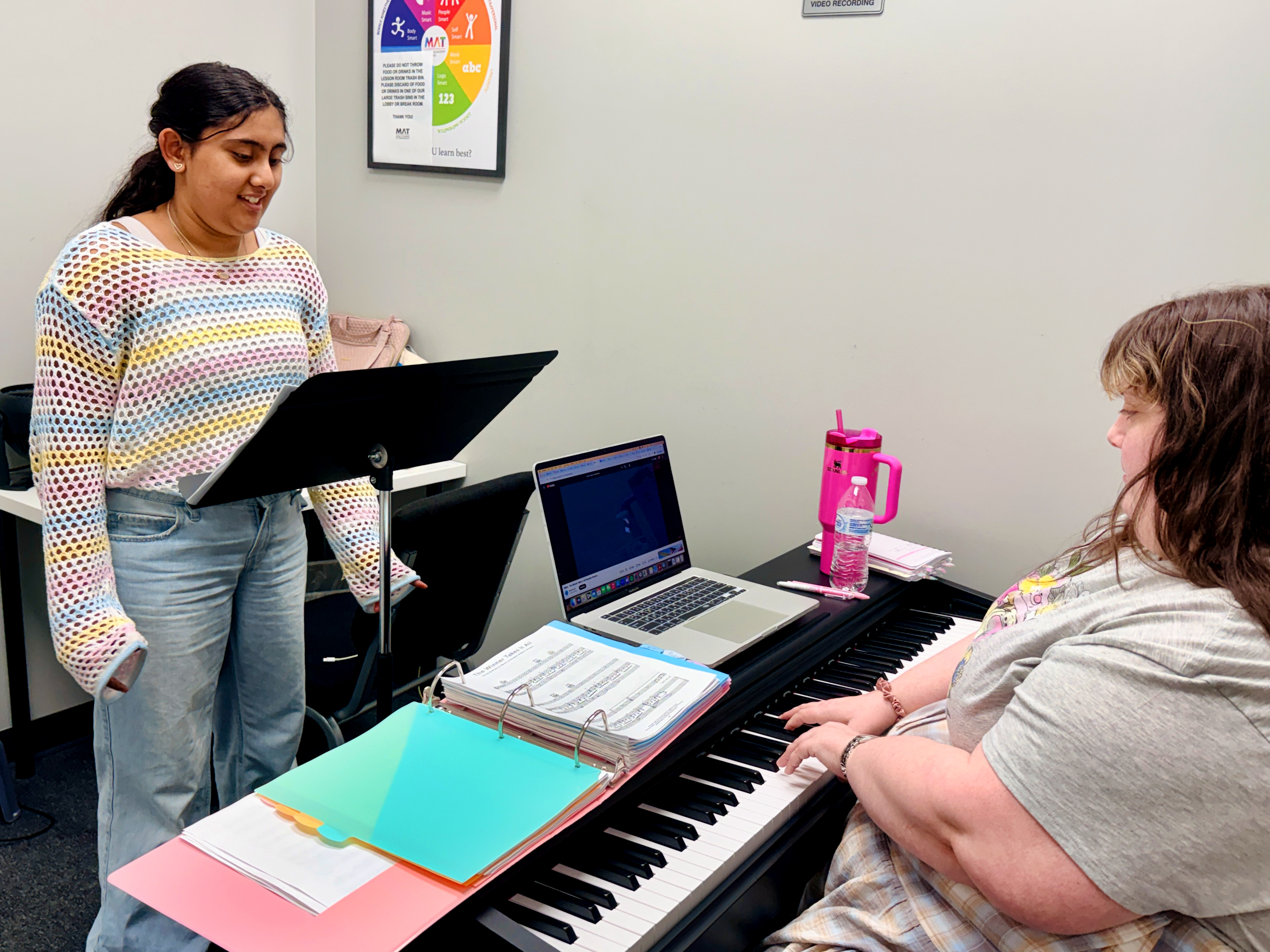
Then, bring your child’s teacher into the conversation. Share what you are seeing at home. Together, you can explore new repertoire, new ways of practicing, or a break from outside performances so lessons feel calmer and more supportive.

Rethinking Practice: Turning Daily Music Time Into Something Kids Look Forward to

Practice does not have to mean 30 or 45 minutes of uninterrupted work. Small changes can make a big difference for kids who feel burned out.

Try redesigning practice into mini sessions. For example:

  • A few minutes of a fun warm-up or game
  • A short run-through of a skill the teacher assigned
  • Time to play a piece your child picked

Short, focused blocks can feel less overwhelming and help kids see progress more quickly.

You can also make practice more visible and encouraging. Simple charts, stickers, or practice “bingo” sheets can help kids track effort instead of perfection. Celebrate specific, small wins, like “You practiced three days in a row” or “You tried that tricky measure again, even when it was hard.”

Finally, connect music to real life. Encourage your child to play at a family dinner, a school talent show, or a relaxed church event here in Katy. Keep these opportunities low-pressure. The goal is helping them feel that music is something they can share and enjoy, not just something they do for a grade.

When IT Is Time for a Change: Finding the Right Path Forward with Music Lessons in Katy

Sometimes burnout is a sign that something needs to change, not that music should end.

Ask yourself a few questions:

  • Is this about the instrument, the teacher, or the schedule?
  • Would my child engage more with a different style or group format?
  • Do we need a lighter season while testing and events are intense?

Some kids do better after switching from piano to drums or voice. Others feel calmer in private lessons instead of groups. A new style like pop, worship, or film music can renew interest and motivation.

When families look for music lessons in Katy, it can be helpful to seek out a program that is flexible and understanding about busy seasons. Look for teachers and schools that are willing to adjust lesson plans, offer a variety of instruments and styles, and pay attention to what kids are experiencing at school and at home.

A fresh start might mean setting new, realistic expectations with your child and teacher. That could include a new instrument, a new genre, or a different kind of performance goal that genuinely excites your child.

Rekindling the Spark: Helping Your Child Fall in Love with Music Again

Burnout is not a sign that you or your child have failed. It is a signal that something needs to be adjusted. With patience, honest conversations, and the right support, many kids do find their way back to joy in music.

With thoughtful choices and a kinder pace, families in Katy can help children discover a way of learning music that fits their personality and their season of life. Lifelong musicianship grows over many seasons. The supportive steps you take now can help your child enjoy music not just this school year, but for many years to come.

Start Your Katy Music Journey With Confidence

If you are ready to grow as a musician, we are here to guide every step. Explore our music lessons in Katy to find the right program for you or your child. At Music Academy of Texas, we listen to your goals and match you with an instructor who fits your learning style. If you have questions or want to schedule your first lesson, get in touch with us today.