Skip to content

Helping Every Child Shine Through Music This New Year

January in Katy can feel a bit quiet. The holidays are over, the decorations are packed away, and routines are settling back in. Many families are looking at the calendar and asking, “What do we want this year to feel like for our kids?”

If you are raising a neurodivergent child, that question can feel extra heavy. Maybe your child has Autism, ADHD, dyslexia, anxiety, or other differences. You might have tried sports, clubs, or group programs that ended with tears, meltdowns, or your child feeling “too much” or “not enough.”

You are not alone in that.

Music can be different. Music can be a way for kids to show who they are, not just what they can do. During the quieter winter months in Katy, music lessons can give your child a warm, steady routine and a place where their brain and heart both get to shine.

Music lessons in Katy can be a powerful tool for self-expression, confidence, and emotional regulation. With the right teachers and environment, kids do not just try to keep up. They get to grow, at their own pace, in ways that feel good and safe to them.

Our goal is to help parents see that there is space for their child, exactly as they are, to feel understood and supported in music.

Understanding Neurodivergent Learners and Why Music Lessons Can Help

Neurodivergent is a simple word that means “a brain that works in a different way.” It does not mean broken or less. It just means your child may think, feel, or process the world in ways that do not always match what schools or activities expect.

Many neurodivergent kids notice sounds other people ignore. They might have big feelings that come out fast. They might be great at patterns, or creative thinking, or deep focus on topics they love. Music fits naturally with all of that.

When a child learns music, many parts of the brain turn on at the same time. Hands, eyes, ears, and emotions all work together. This can support:

  • Attention and listening  
  • Memory and pattern recognition  
  • Body awareness and timing  
  • Emotional processing and calming  

For neurodivergent kids, this can look like better focus during the lesson, a sense of routine from seeing the same teacher each week, and a safe place to put big feelings into sound instead of behavior.

We know parents also worry about the hard parts. What if my child gets overwhelmed by noise? What if they shut down when they are frustrated? What if they are scared to make a mistake?

With a thoughtful music environment, those concerns can be eased. Quiet spaces, patient teachers, and flexible expectations can help kids feel safe trying new things. The goal is not perfection. The goal is connection.

What to Look for in Music Lessons in Katy for Neurodivergent Kids

Not every lesson setup is right for every child. When you look at music lessons in Katy, it helps to know what to ask for and what to watch.

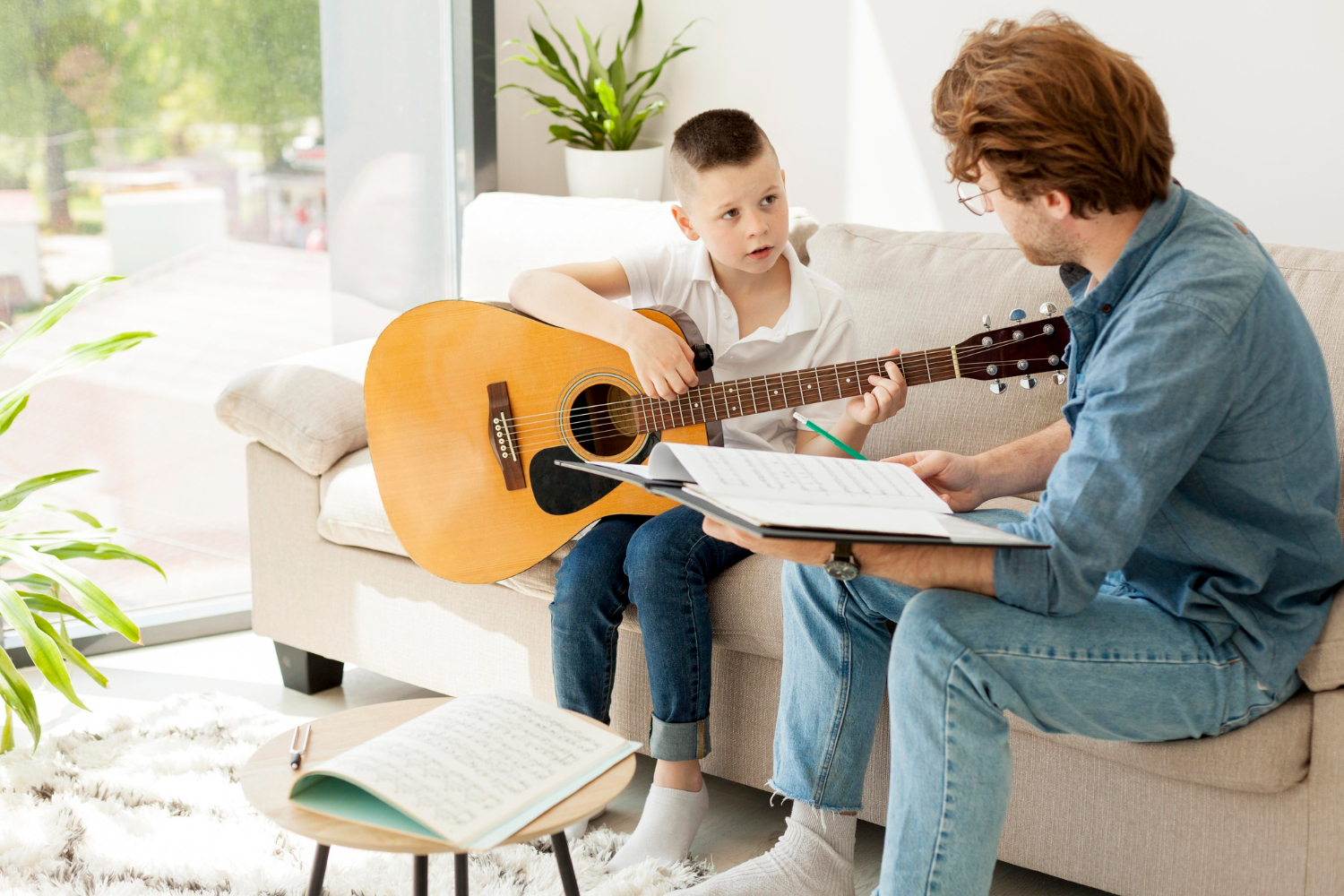
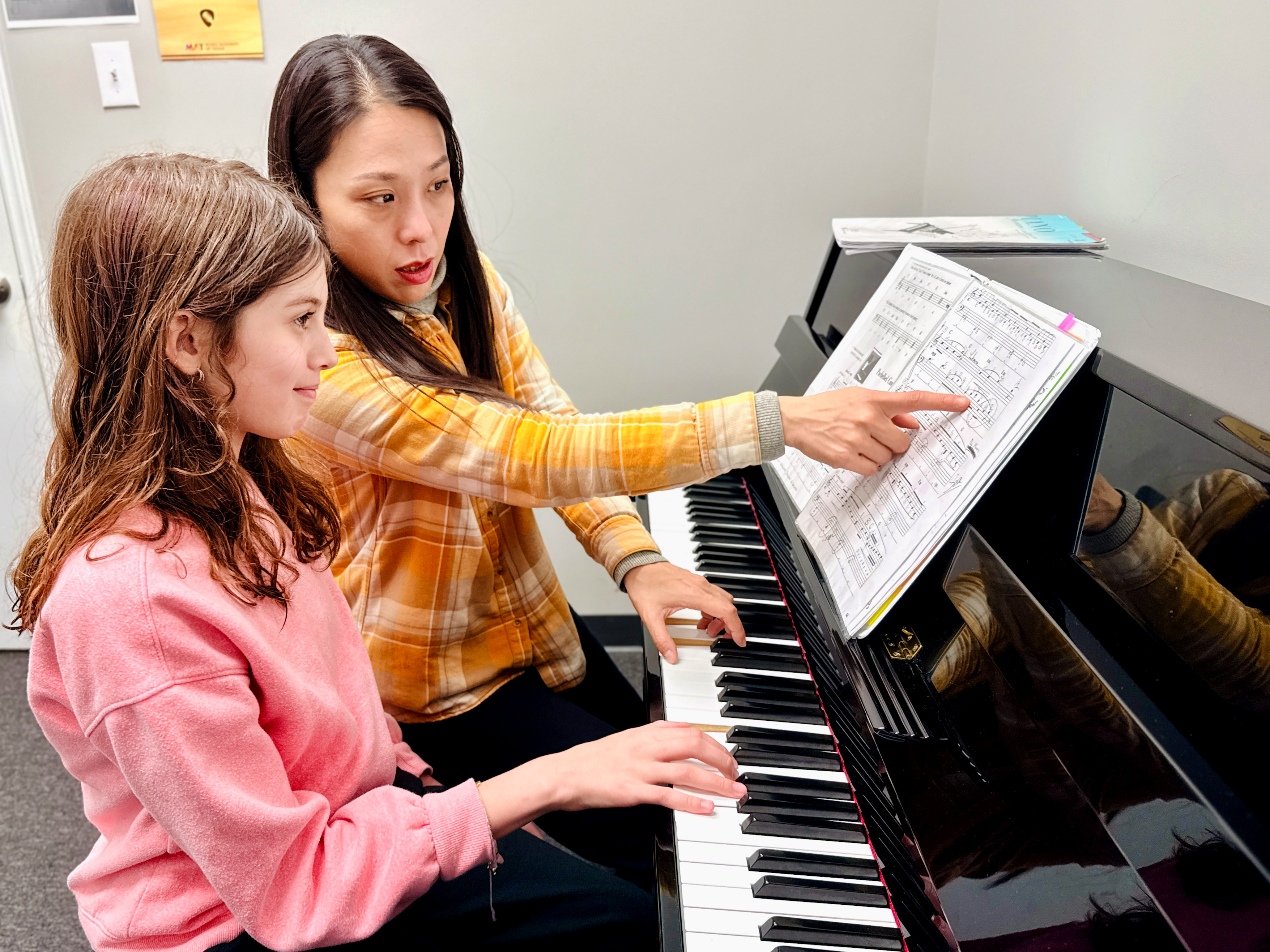
Individualized instruction is key. This means the teacher can adjust the pace, break down skills into smaller steps, and match the instrument to the child. Some kids may love the clear layout of piano keys. Others may crave the movement and rhythm of drums, the strumming of guitar, the expression of voice, or the gentle sound of strings.

Good questions to ask a music school include:

  • Do your teachers have experience with neurodivergent students?  
  • How do you handle behavior or emotional moments?  
  • How do you communicate with parents about progress?  
  • Can you adjust for attention needs, like movement breaks or shorter tasks?  
  • What sensory supports are available, like volume control or quiet waiting areas?  

The physical space matters too. Look for calm, organized lesson rooms, clear routines, and simple visual supports such as charts, stickers, or checklists. Some kids may do best with shorter lessons at first, or planned breaks to stand, stretch, or bounce a bit.

In Katy, location and timing can also make a big difference. A school close to home or on the way from your child’s campus can reduce stress in the car. Regular after-school or early evening spots can turn into comforting weekly touchpoints and help your child build a long-term relationship with a teacher who truly gets them.

Inside a Supportive Lesson at Music Academy of Texas

So what might a first lesson look like for a neurodivergent child with us?

We start slow. The teacher greets you and your child in a calm, friendly way. There is no pressure to perform. We might ask simple questions like, “What kind of music do you like?” or “Do any instruments sound fun to you?” Then we explore, one step at a time.

If your child is ready, the teacher may do small, low-pressure skill checks, such as clapping back a simple rhythm or pressing a few piano keys. If that is too much at first, we might just listen to a song, tap along, or let your child touch the instrument and see how it feels.

Together with you and your child, we talk about gentle goals. Not big, scary ones, but things like:

  • Feel comfortable in the room  
  • Try one new skill each week  
  • Learn a short piece connected to a special interest  

Our instructors use clear, concrete strategies. We break tasks into tiny parts, use visual cues or written checklists, and, when possible, bring your child’s favorite themes into song choices. If your child loves trains, superheroes, or animals, that can show up in lesson activities.

We also pay attention to the body. We may offer flexible seating, like a bench, chair, or small movement cushion. We keep an eye on volume and can play softer if needed. Fidgets or gentle movement are welcome if they help your child focus.

If attention starts to fade, we adjust. That could mean a quick game, a change of instrument, or shifting to listening instead of playing. We keep you informed about what we are doing and why, so you know how to support practice at home without stress or battles.

Turning Winter Routines Into Growth Opportunities with Music Lessons in Katy

By mid-February, the cold fronts may roll through, school is in full swing again, and evenings can feel dark and long. This can be a great moment to add something positive and steady to your child’s week.

How do you know if your child is ready for music lessons now?

Look for small signs, like:

  • They perk up when music plays on the radio or TV  
  • They tap, hum, or sing to themselves  
  • They can follow a simple direction with support  
  • They seem to need a safe outlet after school  

You can set your child up for success with a few gentle steps at home. Talk ahead of time about what will happen at lessons in simple, concrete words. Use a visual schedule or calendar so they can see “music day” coming. Try to plan a calm transition from school to lesson time with a snack, water, and a short quiet break.

Practice at home does not need to be long. A few minutes, most days, often works better than one long session that leads to frustration. The idea is to build a habit that feels doable, not a battle that everyone dreads.

When music lessons fit well, they do not feel like “one more thing” to survive. They feel like a weekly place where your child can breathe, move, create, and feel proud of themselves.

Take the Next Step Toward a Brighter Musical Year for Your Child

At Music Academy of Texas, we believe no child is “too sensitive,” “too energetic,” or “too anxious” for music. We respect neurodivergent brains and bodies, and we see the strengths that often come with them: deep focus, amazing creativity, big hearts, and unique ways of seeing the world.

We enjoy helping families think through which instrument might fit their child best. A child who craves structure might enjoy piano. A child who needs movement and strong input might connect with drums. A child who loves words and stories might thrive with voice lessons. Our approach is to listen first, then guide.

With thoughtful music lessons in Katy, winter can turn from a cold, gray stretch into the start of something warm and lasting. With patient support and a flexible plan, neurodivergent kids can learn real musical skills, build confidence, and find joy each week in a space where they are welcomed exactly as they are.

Start Your Musical Journey With Confidence

If you are ready to grow as a musician, our tailored music lessons in Katy can help you reach your goals at any age or skill level. At Music Academy of Texas, we take time to understand how you learn best so each lesson feels productive and encouraging. Whether you are exploring music for the first time or returning after a break, we would love to talk about the right program for you. Contact us to get started.