Skip to content

Turn Daily Practice Into a Win for Your Whole Family

Music practice at home can feel like a tug-of-war. A parent reminds, a child pushes back, time ticks by, and everyone ends up frustrated. No one wins, and the instrument starts to feel like the enemy instead of a source of joy.

It does not have to be that way. When we shift how we think about practice, it can become a daily chance for connection, confidence, and creativity. Practice time can be the quiet pocket in a busy day when your child feels seen, supported, and proud of what they can do.

At Music Academy of Texas, we see families in Katy and Cy-Fair change their home practice experience with small, simple tweaks. In this article, we will share practical ideas to end power-struggles, build steady routines, and make practice a positive part of your family life, especially if your child is taking music lessons in Katy or nearby.

Why Kids Resist Practice and What Is Really Going On

When a child avoids practice, it is easy to think they are just being stubborn. Often, something deeper is happening.

Some common reasons kids resist practice are:

  • They feel overwhelmed by a long assignment

  • They are tired or mentally drained after school

  • They are afraid of making mistakes and “messing up”

  • They do not really know what to work on first

There is also a big difference between “won’t practice” and “can’t practice yet.” Sometimes:

  • The piece is too hard for their current skill level

  • Instructions from the lesson were confusing or forgotten

  • They are missing a technique they need to succeed

Emotion plays a huge part too. Children might:

  • Compare themselves to a sibling or friend who learns faster

  • Feel pressure to be “perfect” every time they play

  • Worry that a parent or teacher will be disappointed

Instead of seeing resistance as a failure, treat it like a signal. Something in the plan, the timing, or the emotions around practice needs attention. When we respond with curiosity and kindness instead of extra pressure, kids feel safer to try again.

You might ask gentle questions like:

  • “Does this part feel too hard right now?”

  • “What part feels confusing?”

  • “What would make practice feel easier today?”

These small check-ins show your child you are on their team, not against them.

Build a Practice Routine That Practically Runs Itself

Routines reduce arguments. The less you have to “nag,” the better practice feels for everyone.

A simple way to build a routine is to anchor practice to something that already happens every day, such as:

  • After an after-school snack

  • Before dinner

  • Right after homework

  • Before screen time

When practice has a steady time, children know what to expect. It becomes “just what we do,” not a surprise request that interrupts something fun.

Keep time frames realistic:

  • Young beginners: 10 to 15 minutes, most days

  • Elementary students: 15 to 25 minutes, most days

  • Older students and teens: 25 to 40 minutes, possibly with a short break in the middle

In spring, school schedules often shift with tests, end-of-year events, and sports. Early summer brings camps and travel. Instead of hoping practice will “just happen,” plan for these changes.

You might:

  • Create a “summer practice plan” with slightly longer but relaxed sessions

  • Choose a regular morning or early evening practice time when days are less packed

  • Decide ahead of time which busy weeks will be “light practice weeks”

Visual tools can help keep everyone on the same page:

  • A weekly practice calendar on the fridge

  • A simple sticker chart for younger kids

  • Digital reminders or alarms for older kids and teens

When the plan lives outside your head, there is less room for debate.

Turn Practice From Power Struggle Into Partnership

Kids are more likely to practice when they feel ownership. Instead of practice being something done “to” them, let it be something they help shape.

Try giving choices like:

“Do you want to start with your warm-up or your main piece?”

"Which song should be your ‘fun’ piece this week?”

Simple language swaps can calm power struggles. For example:

  • From “You have to practice now” to “It is practice time, what would you like to start with?”

  • From “You did that wrong” to “That was tricky, want to try it slower?”

  • From “Stop complaining and practice” to “This part seems frustrating, want to break it into smaller chunks?”

The way we praise matters too. Focus on effort, strategies, and small wins, such as:

  • “I noticed you kept going even when that measure was hard.”

  • “You tried a new way of counting that rhythm, that was smart.”

  • •Yesterday that part felt impossible, and today you got it twice.”

Parents can stay involved without micromanaging. Some simple ideas include:

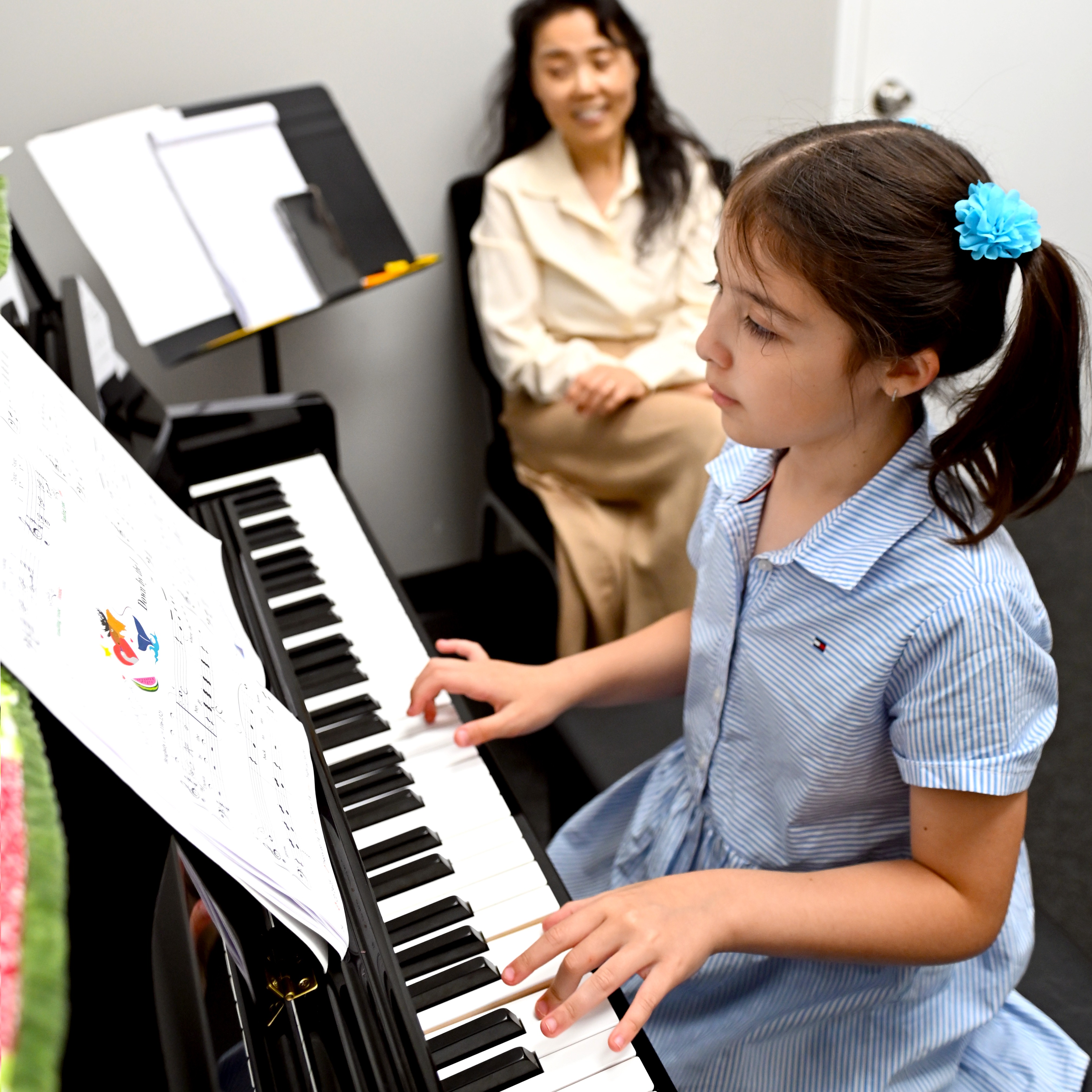
  • Sit nearby and listen to one run-through

  • Ask, “What are you most proud of today?”

  • Celebrate one tough measure or section mastered each week

Partnership sends the message: “We are in this together.”

Smart Strategies to Support Practice Between Lessons

Good practice starts with clear instructions. Open communication with your child’s teacher can make home practice smoother.

You can ask the teacher for:

  • Written notes or a practice notebook

  • Short recordings of tricky parts or demonstrations

  • The top two or three priorities for the week

A simple practice structure helps kids know what to do next. For example:

1. Quick warm-up or review

2. Technique work like scales or chords

3. Main assignment piece

4. “Fun choice” piece or improvisation to end on a good note

Life in Katy and Cy-Fair can get very busy, especially with sports, exams, and activities. During heavy weeks, it is okay to adjust, not quit. You might:

  • Cut the time in half but keep daily consistency

  • Focus on review and easy pieces instead of new material

  • Pick two or three “non-negotiable” practice days and let the others be lighter

Technology can keep practice engaging:

  • Metronome apps to help with steady rhythm

  • Slow-down features on recordings so students can play along at a comfortable speed

  • Backing tracks so practice feels more like making real music, not just drills

Used wisely, these tools keep kids curious and involved.

Keep Motivation High with Goals, Recitals, and Rewards

Goals give practice a “why.” When your child knows what they are working toward, it is easier to stay motivated.

Some ideas for short-term and long-term goals include:

  • Learning a favorite song for a school talent show

  • Preparing a piece for a Music Academy of Texas recital

  • Planning a mini “family concert” at a summer barbecue or gathering

Rewards do not always need to be things you buy. Try:

  • Extra choice of music for the week

  • A “request concert” night where the family picks songs

  • Recording a “before and after” video to see how much they have grown

Connect these goals to the bigger picture. Regular practice builds:

  • Discipline, by showing up even on days they do not feel like it

  • Confidence, by proving they can learn new skills over time

  • Emotional expression, by giving them a safe way to share feelings through music

  • Perseverance, by sticking with a challenge until it finally clicks

For families with music lessons in Katy, upcoming recitals in late spring and summer can work as helpful milestones. Treat them as celebrations of progress, not pressure-filled tests. The goal is not perfection; it is growth and joy.

Take the Next Step Toward Peaceful Practice Time

You do not have to change everything at once. Pick one or two ideas from this guide to try this week. Maybe you anchor practice to a steady time, set up a simple chart, or add a “fun choice” song at the end of each session.

A short family “music huddle” can help. Sit down with your child and talk about:

  • When practice will happen

  • What their goals are for the next few weeks

  • How you will support them and what kind of reminders feel helpful

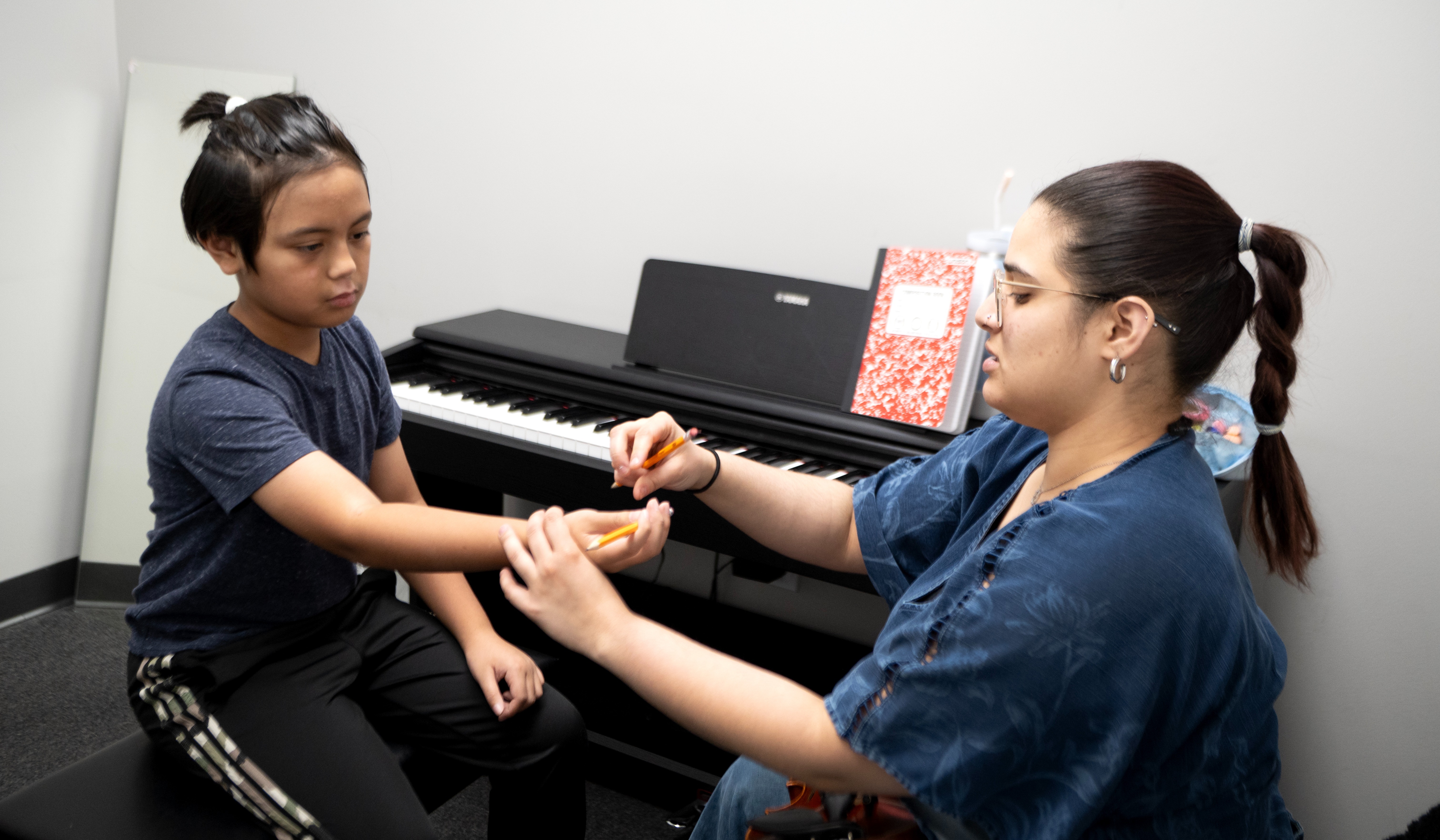
At Music Academy of Texas, our teachers work with families to shape assignments and practice plans for each student’s age, personality, and schedule. With the right support at lessons and at home, practice can shift from a daily battle to a daily win, where your child feels proud, calm, and excited to grow as a musician.

Unlock Personalized Music Training Your Family Will Love

If you are ready to help your child grow in confidence and creativity, our tailored music lessons in Katy are a great place to start. At Music Academy of Texas, we focus on building strong fundamentals while keeping each lesson engaging and fun. Tell us about your goals and schedule, and we will recommend the best program for you. Have questions before getting started, or prefer to talk details first? Just contact us and we will walk you through the next steps.