Skip to content

How Summer Music Can Transform Sibling Dynamics

School is out, backpacks are tossed in a corner, and suddenly the days feel very long. Siblings are home together more, sharing the same spaces, toys, and screens. Some moments are sweet and quiet. Others are loud and full of small arguments over who gets the couch or whose turn it is on the tablet.

Many parents start to ask a simple question: how do we fill these long summer days with something meaningful, not just more screen time?

Summer music classes can be a powerful answer. Music gives siblings a shared project that feels playful, not like school. They can try new instruments, choose songs they actually like, and still keep that relaxed, off-school feeling. At the same time, they are building focus, patience, and confidence, all in a way that feels light and fun.

When siblings learn music together, they often cheer each other on. One child may pick up a melody faster, another might have a natural sense of rhythm. Instead of competing, they can learn to see each other as teammates.

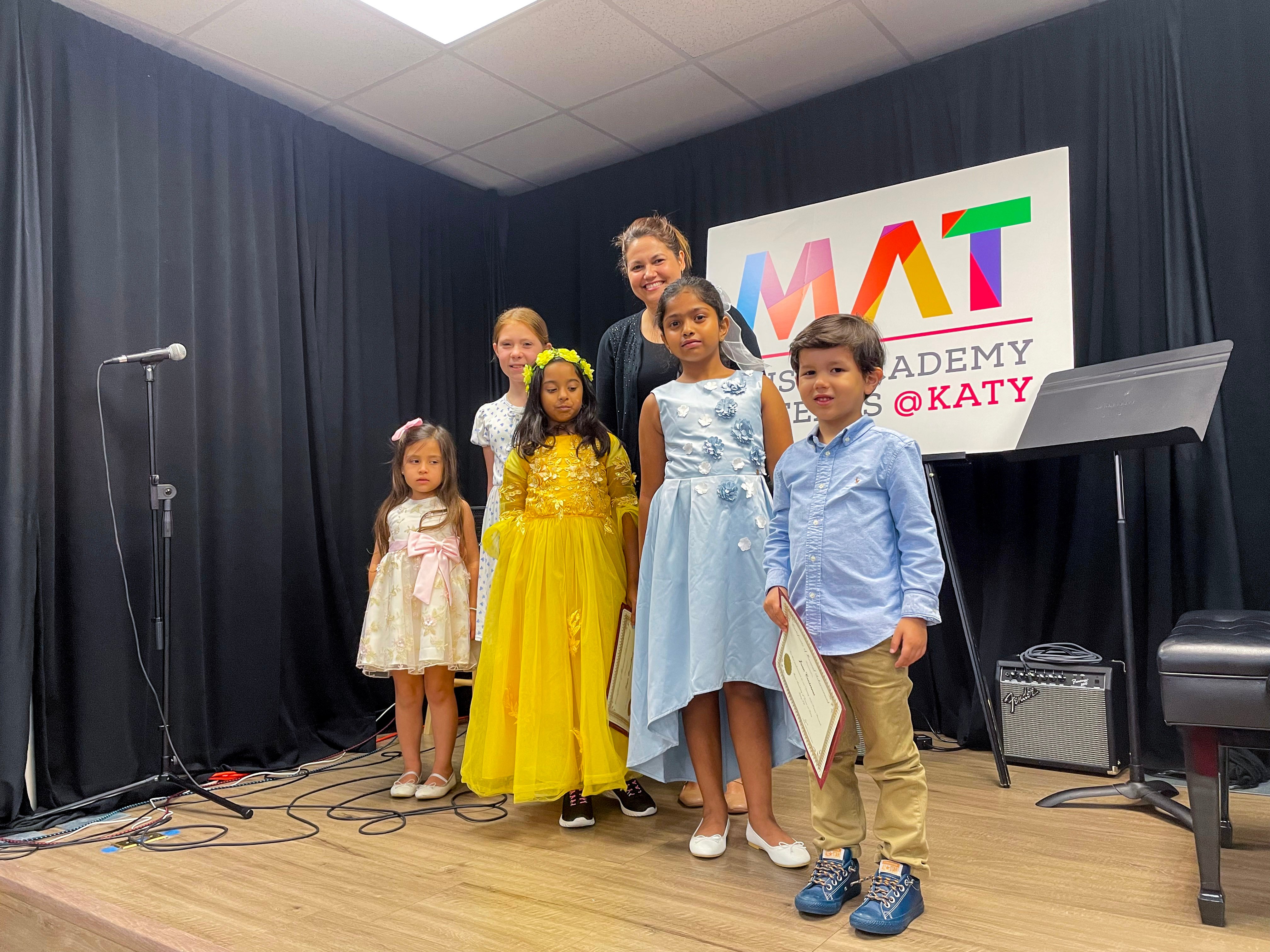
Our team at Music Academy of Texas sees this often with families from Katy and Cinco Ranch. With a warm, encouraging setting and patient teachers, siblings can learn in the same place at the same time, either together or side by side, and still feel like they each have their own space.

Why Summer Is the Perfect Season for Siblings to Explore Music

During the school year, homework, sports, and clubs often fill every corner of the week. Kids rush from one activity to the next. It can be hard to give music the calm attention it deserves.

Summer feels different. Schedules are usually more open. Without long evenings of homework, siblings can give music more room in their day. This is a great time to start music classes or to go a little deeper on skills they began earlier in the year.

With less pressure, kids can try an instrument they have been curious about. One may choose piano, another may try guitar, or they may both start with voice. Instead of feeling rushed, they can slow down, explore, and see what fits.

There are strong social and emotional benefits too. Learning music together can:

  • Lower sibling rivalry, since each child has a clear role and instrument

  • Create small, shared goals, like learning a duet or playing one song for grandparents

  • Give kids safe ways to express big feelings through sound and rhythm

In the Katy and Cinco Ranch area, many families like to keep mornings or late afternoons open for parks, splash pads, or short family trips. Music lessons can slide into those mid-day or early evening hours when everyone is home and looking for something structured, but not stressful. A weekly rhythm of music classes gives kids a clear anchor in the week, while still leaving plenty of space for play and rest.

Choosing the Right Summer Music Classes for Different Ages and Personalities

Every child is different. Some love the spotlight. Others like to sit back and watch until they feel safe. That is why choosing the right style of summer music classes matters, especially when you are planning for siblings.

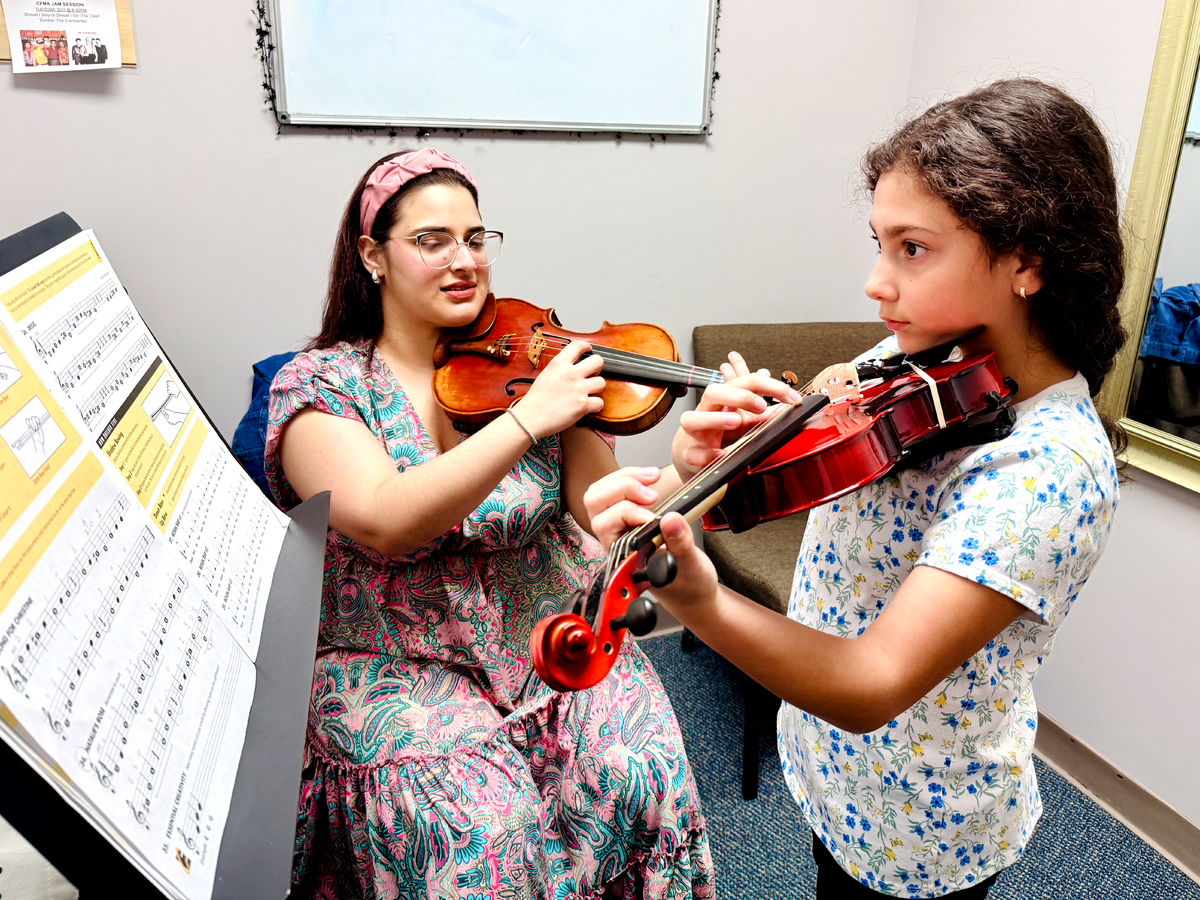
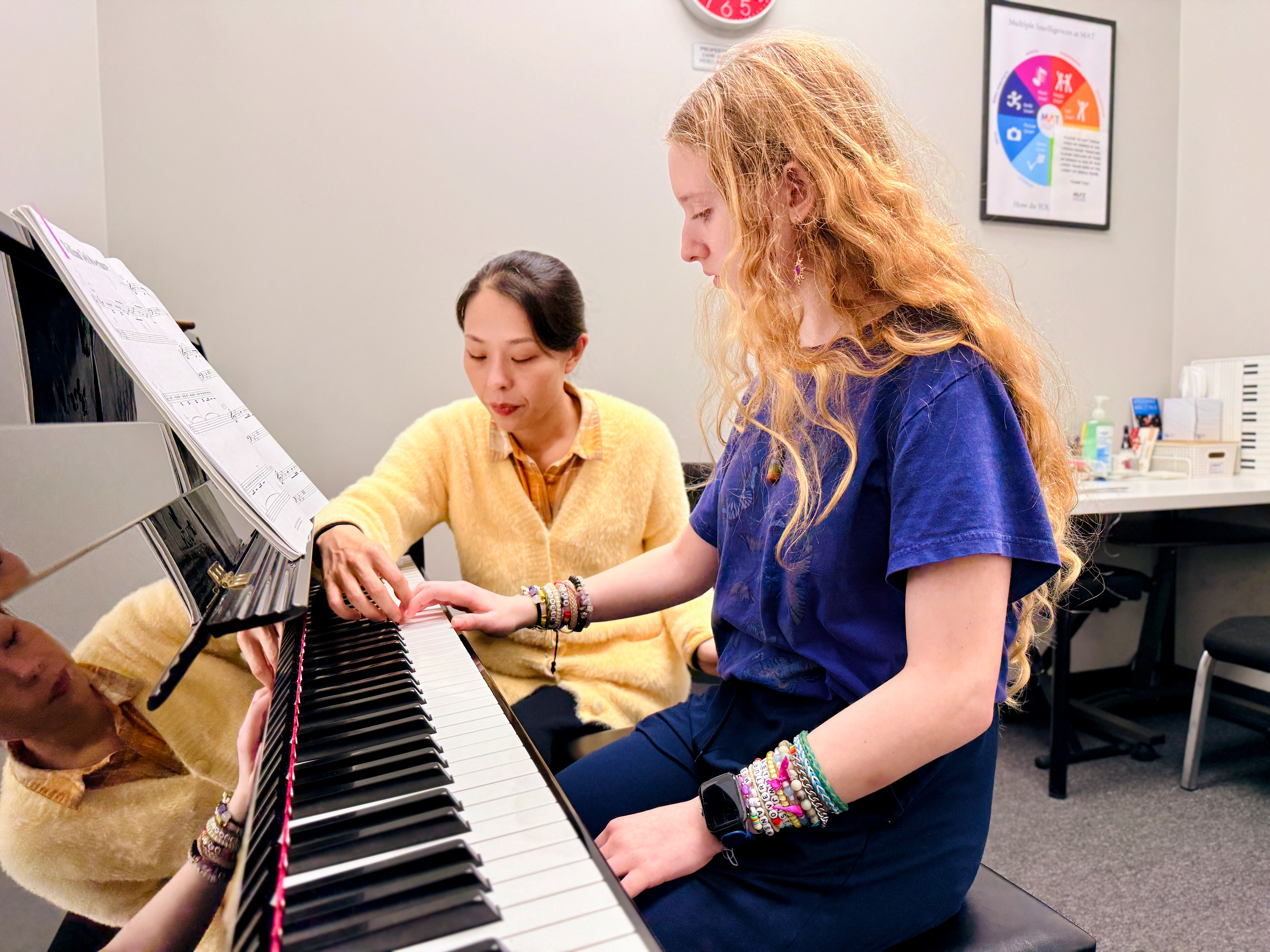
Private lessons often work well for:

  • Focused kids who like one-on-one attention

  • Older children who want to improve a specific skill

  • Shy students who open up more in a quiet setting

Group classes can be a better fit for:

  • Social kids who enjoy learning with friends

  • Younger siblings who feel braver when others are playing too

  • Beginners who want a fun, playful first step into music

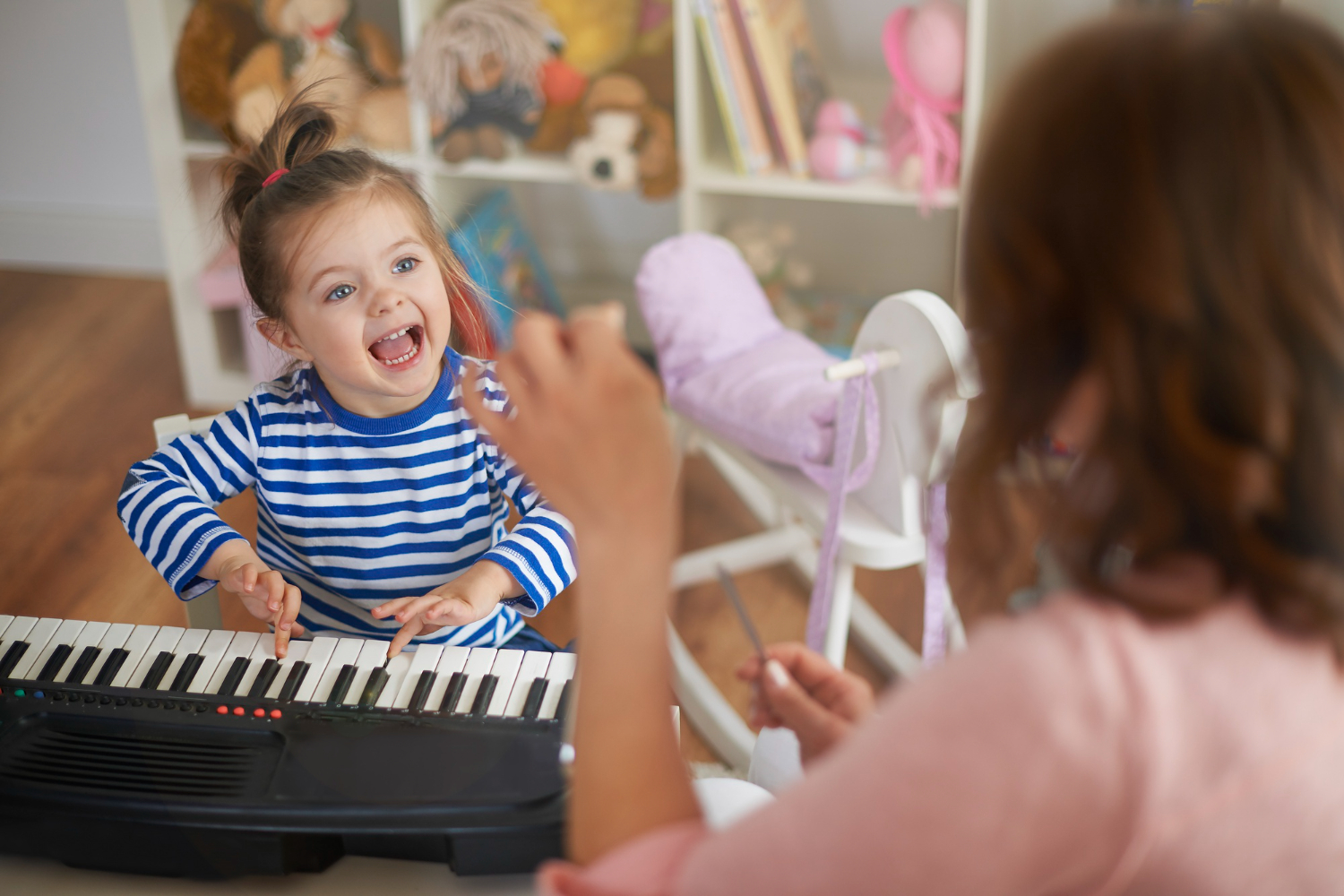
Families often have a mix, like an older child in piano lessons while a younger beginner joins a group music class. Or a teen who loves to sing while a younger sibling tries guitar basics. Twins may want the same class, or they may prefer different instruments so they can each stand out in their own way.

Practical choices matter too. Younger children may do best with shorter lessons earlier in the day, when they are fresh and alert. Older kids and teens may prefer later times, especially if they like to sleep in during summer.

At Music Academy of Texas, we listen closely when parents describe their children. We help match each sibling to the lesson style, instrument, and time that fits their age and personality, so everyone can learn without feeling rushed or overwhelmed.

Making Music Together: Benefits of Shared and Separate Sibling Classes

One big advantage of planning music classes for siblings is simple: easier carpooling. When children have lessons at the same place and around the same time, family life feels calmer. Parents are not driving back and forth all week. Routines feel steadier.

There are deeper benefits too. Even when siblings choose different instruments, learning at the same time:

  • Creates a natural “music hour” at home for practice

  • Gives them a reason to cheer for each other

  • Turns random free time into something creative

Shared musical experiences can be very special. Siblings can try simple duets, trade parts, or put on tiny living room “shows” for family. These can become light summer traditions that everyone looks forward to, not chores on a list.

At the same time, it is healthy to keep good boundaries. Some siblings compare themselves quickly and may feel discouraged if they share the same teacher or instrument. In those cases, it can be better for each child to have their own teacher, their own class, or even a different instrument, so they can grow without feeling measured against each other.

We pay close attention to this balance. Our teachers aim to protect each child’s sense of personal voice, so siblings can share the music experience without losing their own identity.

Turning Summer Lessons Into Lasting Motivation at Home

What happens outside the classroom matters just as much as what happens inside it. For many families, practice can feel like a struggle. With a few simple habits, though, it can turn into a bright part of the day.

Short, frequent practice sessions can work better than long, once-in-a-while ones, especially for younger children. Siblings can each get a small block of time, with a quick stretch or snack between turns. Family “mini-concerts” can give kids a fun reason to prepare a song, even if they only play for a minute or two.

Some families like using simple charts or stickers to track practice for more than one child. The key is to keep the focus on each child meeting their own goals, not on who practices more.

Music can also blend into everyday summer life. Siblings might:

  • Build a shared playlist of songs they are learning or inspired by

  • Work together on one special song for a family reunion or backyard get-together

  • Record a lighthearted “summer music video” as a keepsake

Guidance from experienced teachers makes this easier. At Music Academy of Texas, we give clear practice goals and feedback tailored to each sibling. We celebrate fun milestones, like finishing a first song or trying a simple duet, so motivation can carry into the new school year.

Start Planning Your Sibling-Friendly Summer Music Journey Today

Spring in Katy is the perfect time to think ahead to summer. As families start to plan camps, trips, and time with grandparents, it helps to map out music classes early so schedules line up, especially when there are several siblings to consider.

Parents can reflect on a few questions. Which siblings enjoy being together most? Who might do better with their own musical space? Which instruments have your children mentioned or been curious about during the school year?

Thoughtful planning now can give each child a place to grow, while also building shared memories that last far past summer. The Music Academy of Texas is here to guide families through those choices, help combine sibling schedules when possible, and shape a summer music plan that keeps every child learning, laughing, and growing side by side through music.

Start Your Musical Journey With Expert Guidance

If you are ready to grow your skills with structured, engaging music classes, we are here to help you take the next step. At Music Academy of Texas, we tailor each lesson to your goals, experience level, and musical interests. Whether you are just beginning or looking to advance, we will work with you to build confidence and consistency. Have questions or want to schedule your first lesson? Contact us to get started.