Discover the Viola Advantage for Young Musicians
Choosing an instrument is a big moment for a child. It is more than picking something to hold in orchestra class. The right instrument can bring out a child’s personality, help them feel proud of who they are, and give them a safe way to express feelings that are hard to say with words.
Many parents are surprised when a quiet child lights up during viola lessons. The deeper, warmer sound gives shy students a way to be heard without feeling like they are in a spotlight they did not ask for. They are part of the music, steady and strong, even if they are not the loudest one in the room.
The viola sits right between the violin and the cello. It is a little larger than a violin, with a deeper, richer tone, but still small enough to feel comfortable in young hands. That “in-between” space makes it both approachable and special, which is perfect for kids who want something different but not overwhelming.
Many people think first of violin when they hear “string instrument,” so viola often stays a bit of a secret. This gives students a chance to stand out in school orchestras and youth ensembles, where teachers are always happy to see more violists. In the next sections, we will look at how viola lessons help kids build confidence, why summer is a great time to start, and how families in Katy and Houston can support young musicians who are ready to try something new.
Why Viola Builds Confidence Faster Than You Think
The sound of the viola is one of the biggest reasons it works so well for building confidence. Its warm tone makes expressive playing feel natural, even for kids who are nervous or soft-spoken. When the instrument itself feels calm and rich, many students relax and take more musical risks.
Here are a few ways viola can boost confidence:
-
The sound is deep and comforting, which helps anxious kids feel steady
-
The instrument’s role is often supportive, so students feel part of a team
-
Mistakes do not feel as “exposed” as they sometimes do on higher instruments
-
The learning curve is steady, with clear, reachable steps
Another quiet advantage of the viola is that there are simply fewer players compared to violin. In many school and community groups, violins are full, but teachers are still searching for violists. That means:
-
More chances for strong seating placements
-
A higher chance to be picked for solos or small features
-
Leadership roles, like section leader, may come sooner
-
Students feel that their presence truly matters
Being “in demand” is a big mental boost for a young musician. When directors say, “We really need you in this group,” kids feel needed and important. That feeling can spill over into school, friendships, and other activities, helping them try new things with more courage. As they earn better chairs and more performance spots, they see clear proof that their hard work is paying off, which builds real self-belief.
Personalized Viola Lessons in Katy That Kids Love
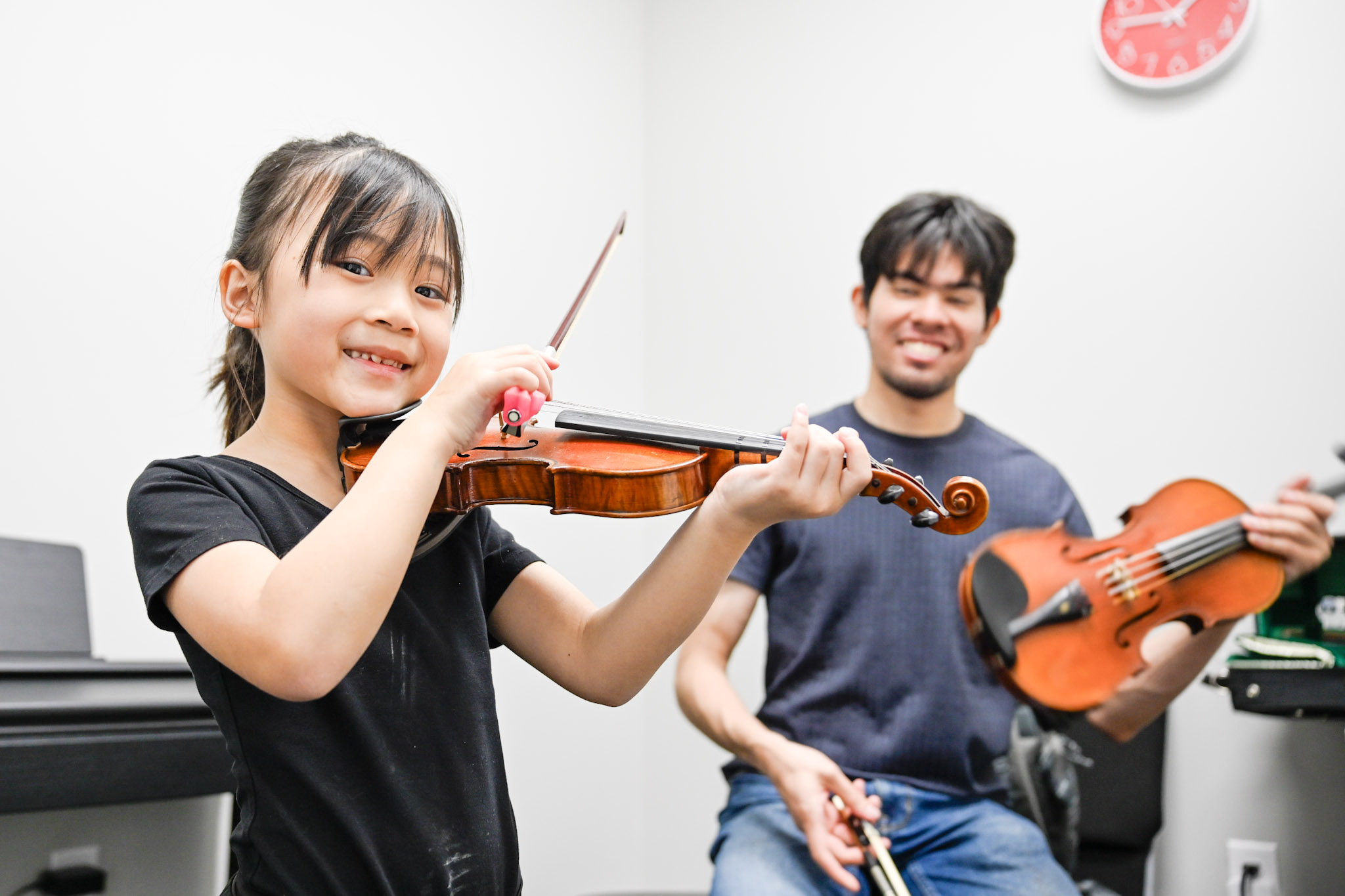
Every child brings a different mix of talents, interests, and learning styles. That is why one-on-one viola lessons work so well. The teacher can move at the student’s pace, adjust the music to match what excites them, and give clear, kind feedback that builds trust.
In a typical viola lesson, students work on:
-
Posture and relaxed body position
-
Bow hold and smooth bow changes
-
Reading music step by step
-
Ear training and listening skills
Strong foundations matter, but so does fun. Along with scales and exercises, kids often light up when they get to play music they recognize, like simple orchestra pieces, folk songs, or favorite movie themes. When lessons mix both, students feel challenged but not stressed.
Teachers who are patient and encouraging use small, reachable goals to keep students moving forward. A child might work toward playing a simple scale without stopping, then a short song with a clear beginning and end, then a piece for a school performance. Frequent praise for real progress, not just effort, helps students see how far they have come.
For busy Katy families, flexible scheduling can make a huge difference. During summer, when school is out and daily routines shift, having a regular lesson time gives kids structure and something positive to look forward to each week.
From School Orchestra to Center Stage
Starting viola can open real doors in elementary, middle, and high school music programs. Directors are often excited to welcome new violists, since they give the group a fuller, richer sound. A child who begins lessons now may step into school orchestra with confidence, already knowing how to hold the instrument and read basic notes.
The path usually looks something like this:
-
Beginner stage: learning how to make a clear sound and read simple rhythms
-
Early ensemble stage: playing basic parts in unison with others
-
Middle stage: holding inner harmonies, which are the “glue” of the group
-
Advanced stage: taking on leadership roles and occasional solos
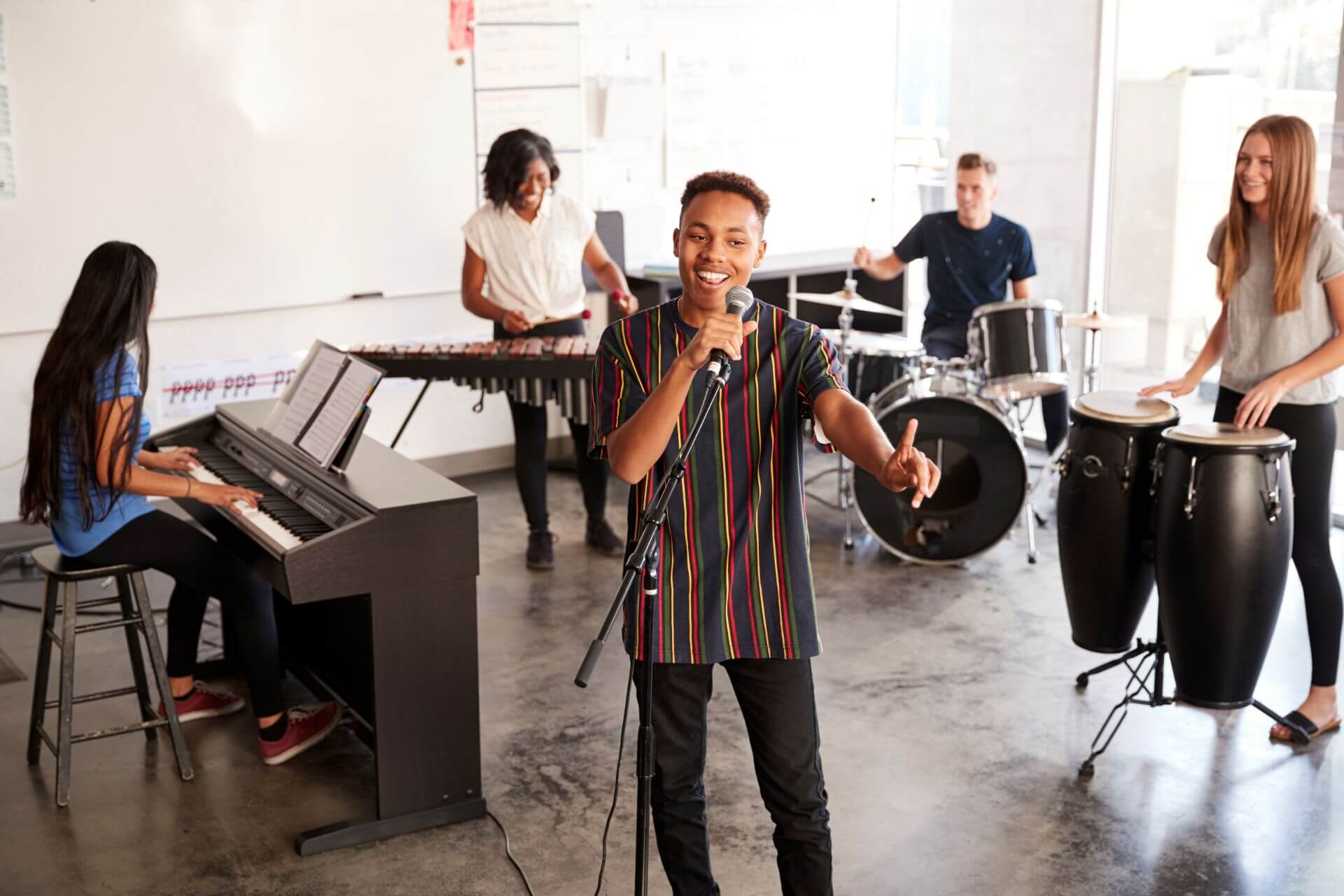
Playing viola in an ensemble teaches more than music. Students learn to listen closely to others, blend their sound, and adjust without being told every detail. They practice:
-
Collaboration and teamwork
-
Time management when balancing school and practice
-
Handling nerves in concerts and auditions
-
Bouncing back when a performance is not perfect
With thoughtful preparation, “stage fright” often turns into excitement. Students who work on audition pieces, region music, and recital songs with a teacher learn how to break big goals into small, repeatable steps. Standing on stage starts to feel less like a scary test and more like a chance to share something they have built with care.
Summer Is the Perfect Time to Start Viola Lessons
Summer gives kids more open time and fewer homework pressures, which makes it ideal for starting something new. With a lighter daily schedule, students can focus on learning the basics of viola without feeling rushed or worn out from school.
A simple summer growth plan might look like:
-
One weekly lesson with a consistent teacher
-
Short daily practice sessions, even 10 to 15 minutes
-
A fun goal, such as playing a first song for family or a small studio event
-
A plan to continue into the school year with clear next steps
Starting now helps students walk into the fall semester feeling ready instead of behind. If they join school orchestra, they will already know how to hold the instrument, read some notes, and follow a conductor. That sense of being prepared can ease a lot of beginning-of-school nerves.
For families in Katy and Houston, summer viola lessons can also be a welcome break from unlimited screen time. Kids still get creativity, fun, and social connection through music, but in a way that builds focus and responsibility at the same time.
Take the First Step Toward Confident Viola Playing
Many parents notice small signs that their child might thrive on viola. Maybe your child hums along to background music, seems drawn to deeper sounds, or is sensitive and thoughtful but has trouble speaking up. Maybe they are curious about strings but do not feel pulled toward the more crowded path of violin.
No prior music experience is needed. A good teacher will help with instrument sizing, show you how rentals work, and guide your child from the first time they pick up the bow. At Music Academy of Texas, we offer personalized one-on-one viola lessons in Katy and Houston, with patient instructors who care about both musical growth and confidence.
When a child settles into the warm sound of the viola and starts to hear themselves improve, something special happens. They begin to stand taller, play stronger, and trust their own voice, both in music and beyond.
Start Your Viola Journey With Confidence
If you are ready to grow as a musician, our expert instructors are here to guide you with personalized viola lessons in Katy. At Music Academy of Texas, we focus on building strong technique, musicality, and confidence at every level. Schedule your first lesson or ask any questions you have by using our contact page today.