Skip to content

Spotting the Musical Spark: Early Signs Your Child May Be Ready to Sing

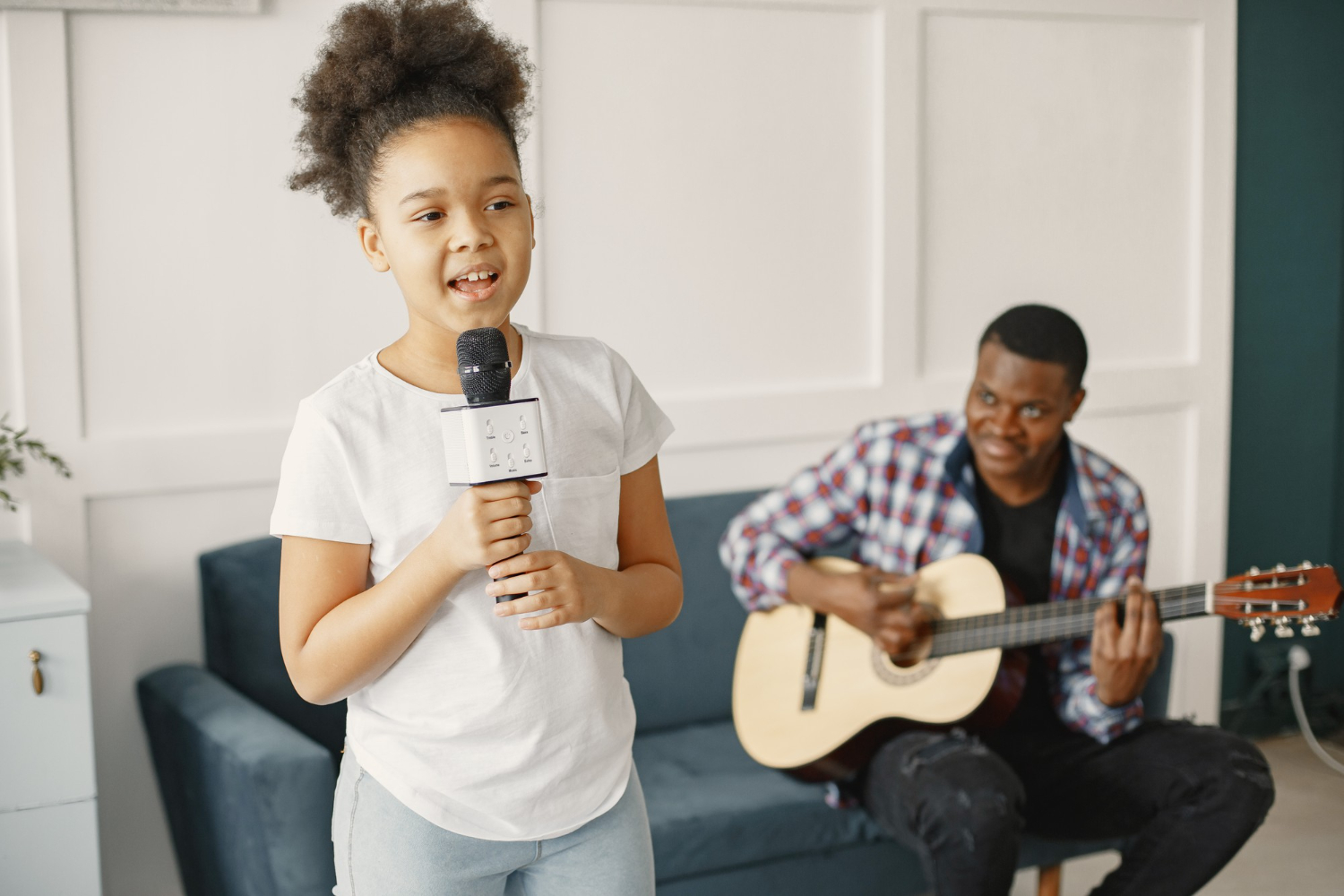
Cold winter evenings in Katy can feel long, and many families start looking for fresh activities once school concerts and programs pick up again. For some children, that extra energy shows up as constant singing around the house. Voice lessons can become a powerful outlet, giving that love of music a safe, fun place to grow.

Readiness for singing is not just about age. Two children the same age can be in very different places. What matters more is a mix of interest, physical growth, and emotional maturity. When those pieces come together, voice lessons can help a child feel confident, creative, and proud of their progress.

So how do you know when it is time to look into voice lessons in Katy? There are clear signs you can watch for in everyday life that tell you your child might be ready to learn in a more focused way.

Natural Clues: Everyday Behaviors That Reveal Vocal Readiness

Many parents spot the first hints without even trying. You might notice that your child:

  • Sings along with songs on the radio or TV

  • Makes up silly tunes during chores or homework breaks

  • Remembers lyrics after hearing a song only a few times

  • Likes to copy the style of a favorite singer

If your child also asks to replay musical movies, concert clips, or performances, that steady curiosity is a strong clue. They are not just hearing music, they are actively listening and trying to be part of it.

Comfort with performing is another big sign. Some children will happily sing for grandparents, friends, or classmates. They might:

  • Volunteer to sing a solo line in music class

  • Ask to be in choir or the school musical

  • Laugh off small mistakes instead of quitting

This does not mean shy children are not ready. It simply shows that your child is starting to enjoy sharing their voice with others, even in a small way.

One more important clue is focus. Voice lessons involve listening, trying new skills, and repeating short sections. If your child can:

  • Stay engaged in an activity for around 20 to 30 minutes

  • Follow simple step by step directions

  • Handle gentle correction without melting down

then they are much more likely to enjoy a lesson and feel good about the work they are doing.

Voice, Body, and Brain: How Development Affects When to Start Voice Lessons

Children’s bodies are still growing, and that includes the voice. The vocal folds are small and delicate, and lung strength is still building. This is one reason many teachers begin more formal voice training around early elementary years, often around age 7 or 8.

At this stage, the focus is not on big, showy notes. It is on healthy habits, like:

  • Breathing deeply without squeezing the throat

  • Singing in a comfortable range, not too high or low

  • Using clear, relaxed speech and vowels

Good technique protects the voice and keeps singing fun instead of tiring or painful.

Emotional and social maturity also matter. Voice students need to handle feedback in a calm way. A teacher might ask them to try a phrase again or change the way they shape a word. When a child can accept this without feeling judged, they grow much faster.

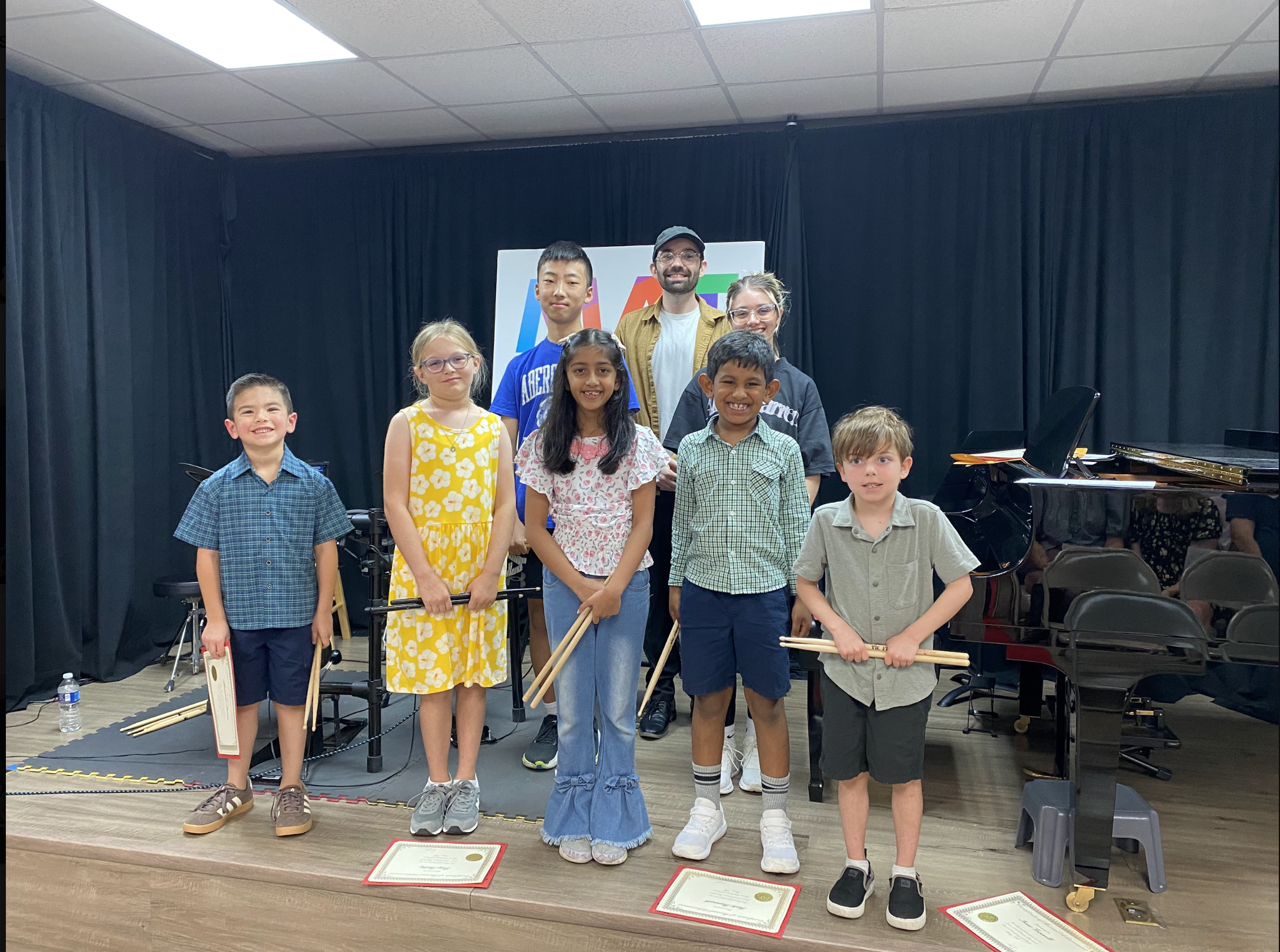
As winter concerts and early spring recitals come closer, children also deal with stage nerves. A child who can feel nervous but still try their best is usually ready for light performance practice in lessons.

Simple musical skills make the start smoother. If your child can match pitch most of the time, clap a steady beat, or tell which note is higher or lower, they are already building a base that supports more focused voice lessons in Katy.

Age Guidelines, Personality Types, and Learning Styles: Matching Lessons to Your Child

Age is not a strict rule, but it does shape what lessons look like.

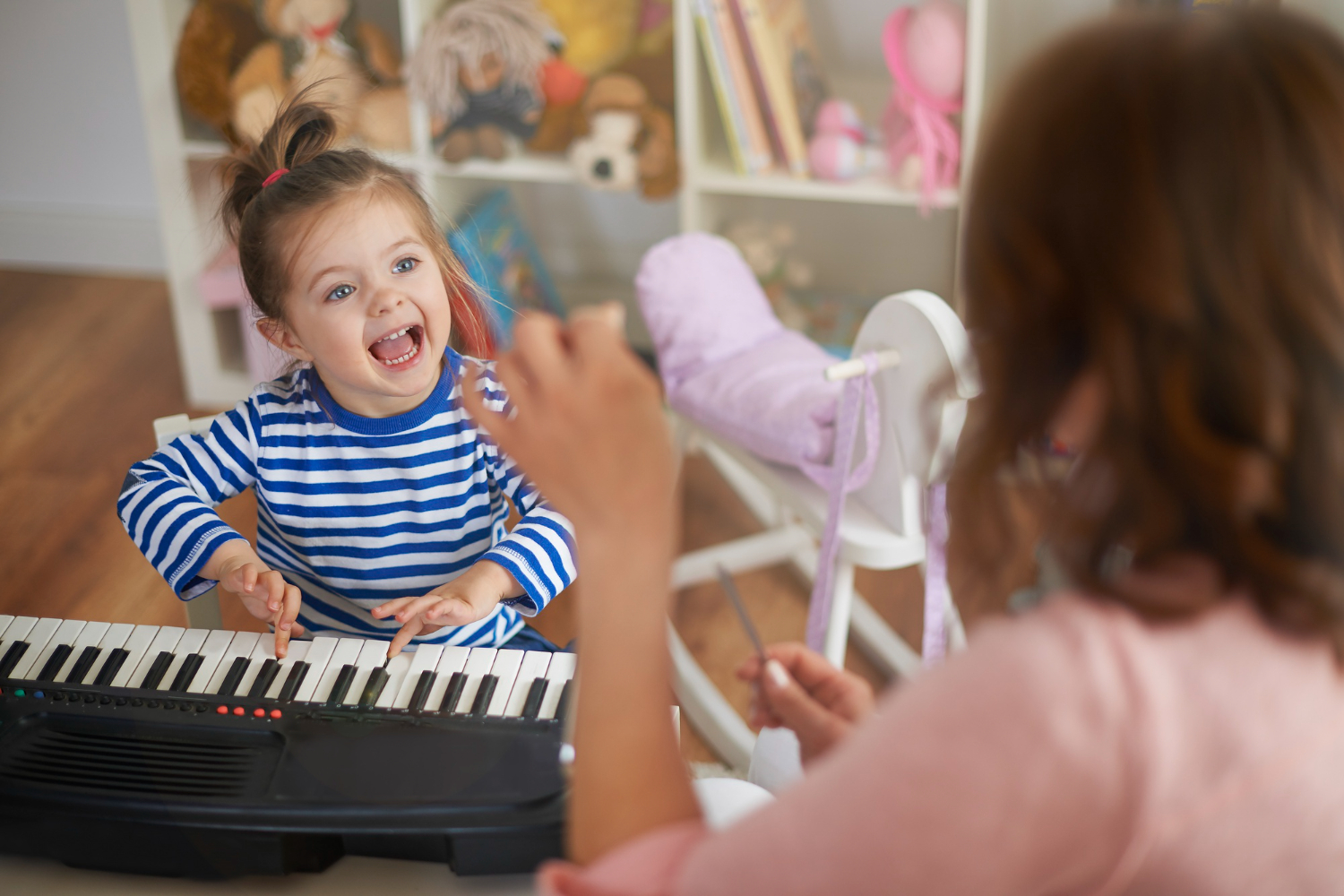
For ages 5 to 7, singing time often feels like play. Lessons may center on:

  • Fun songs with simple words

  • Movement games and echo patterns

  • Exploring high, low, loud, and soft sounds

The goal is joy, not pressure.

For ages 8 to 11, children usually handle more structure. Lessons can include breathing, posture, clear tone, and simple warm ups. They start to connect the fun of singing with careful habits that protect their voice.

For ages 12 and up, voices, especially for boys, may start to change. At this stage, training can focus more on style, expression, and song choice, always with respect for how the voice is shifting.

Personality plays a big part too. Outgoing children might love group classes, choirs, and frequent performances. Quieter children often do very well in one on one lessons, where the room feels safe and calm.

Learning styles are just as important. Some students learn best when they can move, clap, or use hand signs. Others like pictures, colors, and written notes. Some respond most to stories and feelings in a song. A flexible teacher will adjust lessons to match how each child learns best, so they feel understood instead of frustrated.

From Interest to Commitment: Practical Signs Your Family Is Ready for Voice Lessons in Katy

Sometimes a child is ready, but the timing is not right for the family. It helps to look at both sides.

Your child may be ready if they keep asking about singing lessons, want to join choir, or get very excited about school musical auditions. When that interest lasts for weeks or months, not just a few days, it is usually more than a passing phase.

Your home life matters too. Even a short daily practice time works best in a calm, somewhat quiet space. If you can help your child remember a simple routine and cheer them on without adding pressure, they are more likely to stick with it.

Then there are the logistics. Many families in Katy and Cinco Ranch juggle school, homework, sports, and other activities. Before starting, think through:

• Which day of the week your child has the most energy

• Travel time to and from lessons

• How often lessons fit well with your schedule

The goal is steady progress without overload, especially during busy winter weeks when daylight feels short and everyone is a bit more tired.

Taking the Next Step: How to Start Your Child’s Singing Journey with Confidence

Once you see the signs, it helps to talk openly with your child. You might say, "You really love to sing. How would you feel about having a teacher to help you get even better?" Ask what they hope for. Maybe they want to audition for a school show, sing at a family event, or just feel more confident trying new songs.

Set clear, gentle expectations from the start. Explain that lessons are fun, but they also include practice. A simple plan, like practicing a few times a week for a short amount of time, can feel more reachable than big, vague goals.

When looking for a voice teacher, focus on someone trained to work with young voices. The right program will use age appropriate songs, encourage healthy technique, and offer chances to perform without pressure. You should feel that your child is safe, respected, and supported every single week.

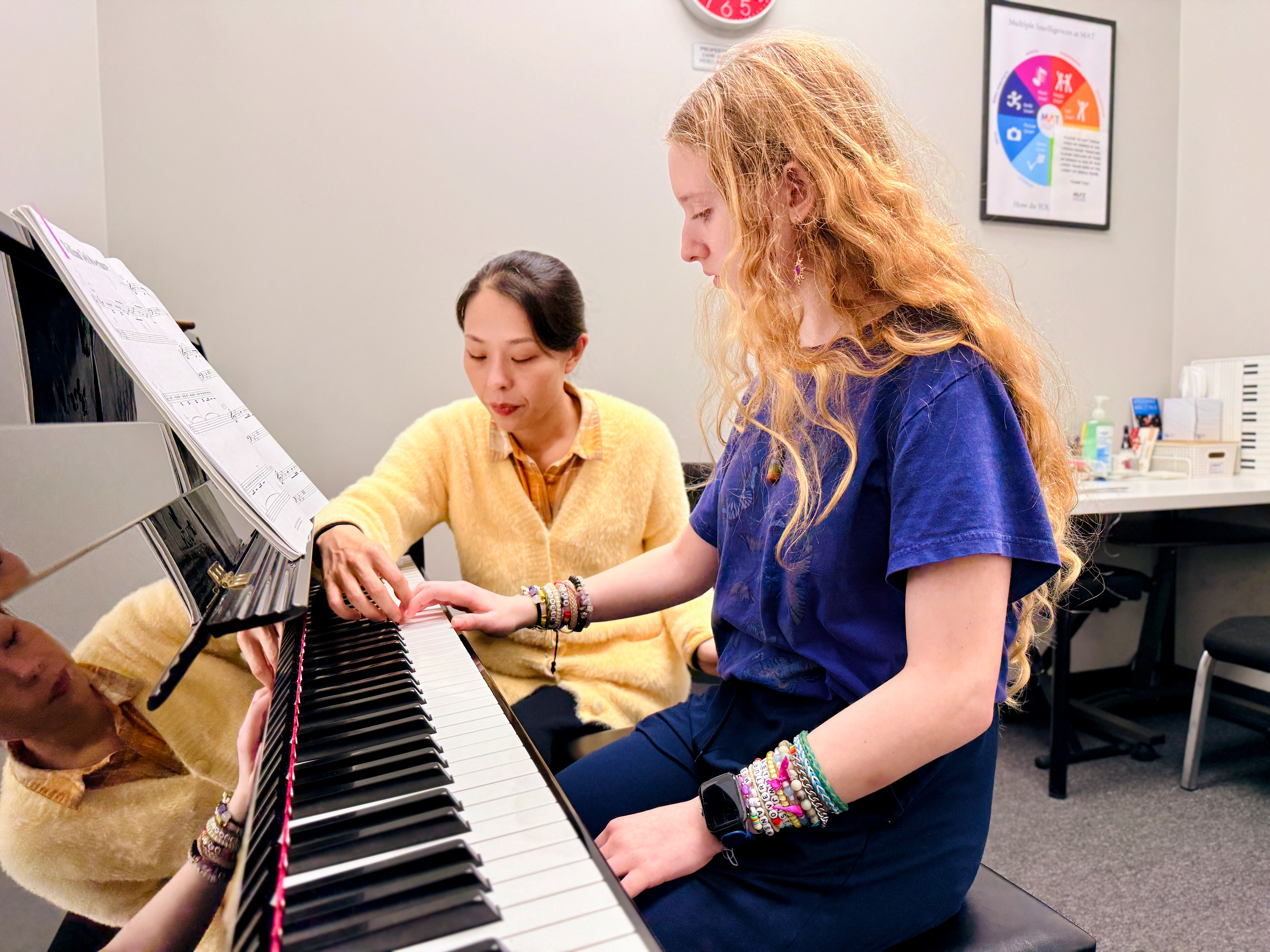
At Music Academy of Texas, we design our voice lessons around each child’s age, personality, and learning style. Our teachers pay close attention to vocal health, musical growth, and confidence, so students can enjoy singing now and keep their voices strong for the future. Families across Katy and Cinco Ranch find that, with the right support, a simple love of singing can grow into a skill that brings joy long after winter fades into the next season.

Take The Next Step Toward Your Best Voice

If you are ready to grow your confidence and vocal skills, our voice lessons in Katy are tailored to your goals, style, and experience level. At Music Academy of Texas, we take time to get to know how you learn so every lesson feels productive and encouraging. Whether you are preparing for auditions, performances, or simply want to enjoy singing more, we are here to guide you. Have questions or want to get started soon? Contact us and we will help you choose the best next step.