Skip to content

Developing Confident Singers Through Vocal Singing Lessons

A strong singing voice is about more than just hitting the right notes. Confidence, clear tone, and honest expression are what make people stop and listen. When we focus on building these things through vocal singing lessons, students do not just sound better; they feel braver in many parts of their lives.

Many people are nervous about singing. Maybe you were told you are not a singer, or you worry people will laugh or judge your voice. Those feelings are common, and they are exactly why guided lessons can help. With the right teacher and a calm, supportive space, anyone can learn to use their voice with pride.

Discover the Confidence Hiding in Your Voice

Singing asks you to do something very personal in front of others. That can bring up all kinds of fears like stage fright, a shaky voice, or the urge to apologize before you even start. Confidence is not something you either have or do not have; it is a skill you build over time.

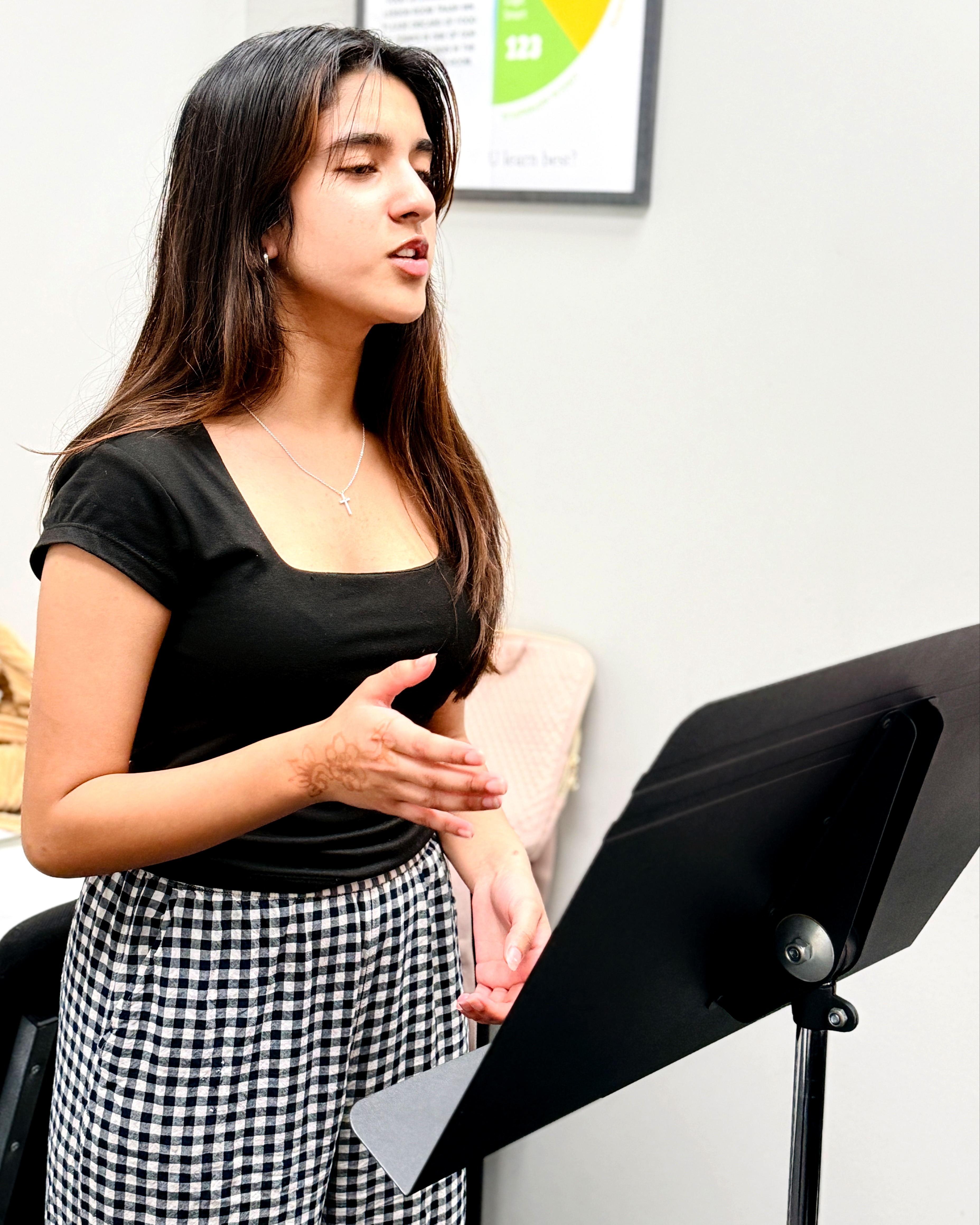
In private vocal singing lessons, the lesson room becomes a safe space. You are allowed to crack, miss a note, or forget a lyric. That is actually part of the process. Step by step, you learn that mistakes do not define you; they just show you what to work on next.

A good voice teacher helps you:

  • Explore your full range without embarrassment

  • Try new sounds and styles in a low-pressure setting

  • Talk honestly about your fears and set clear goals

  • Celebrate small wins so you see real progress

As end of the school year recitals, concerts, and summer performances come around in Katy and Houston, this kind of support can make the difference between wanting to hide in the back row and feeling ready to stand at the front.

Why Confidence Matters More Than a “Perfect” Voice

People connect with emotion, not perfection. A singer with a few rough edges but a strong, open presence will usually move an audience more than someone who is technically careful but afraid to really sing out.

Confidence in singing spills into everyday life. When students feel braver with their voices, they often speak up more in other places too, like:

  • School presentations and class discussions

  • College or job interviews

  • Church, community events, and family gatherings

At our school, teachers pay close attention to mindset, not just sound. We work on ideas like:

  • Mistakes as feedback: Missed notes are clues, not failures

  • Your unique tone: The goal is a healthy, honest voice, not a copy of someone else

  • Progress over comparison: You are measured against your past self, not another singer

When students learn to think this way, their shoulders relax, their breathing settles, and their sound opens up. Confidence becomes part of how they sing, not something they are chasing.

How Vocal Singing Lessons Build Strong Technique

Confidence feels best when it is backed up by real skill. Vocal singing lessons give students the tools to sing with control, power, and freedom.

We focus on fundamentals such as:

  • Breath support so notes feel steady instead of squeezed

  • Posture that keeps the body relaxed and open

  • Pitch accuracy through ear training and careful listening

  • Healthy vocal placement so the throat feels easy, not tight

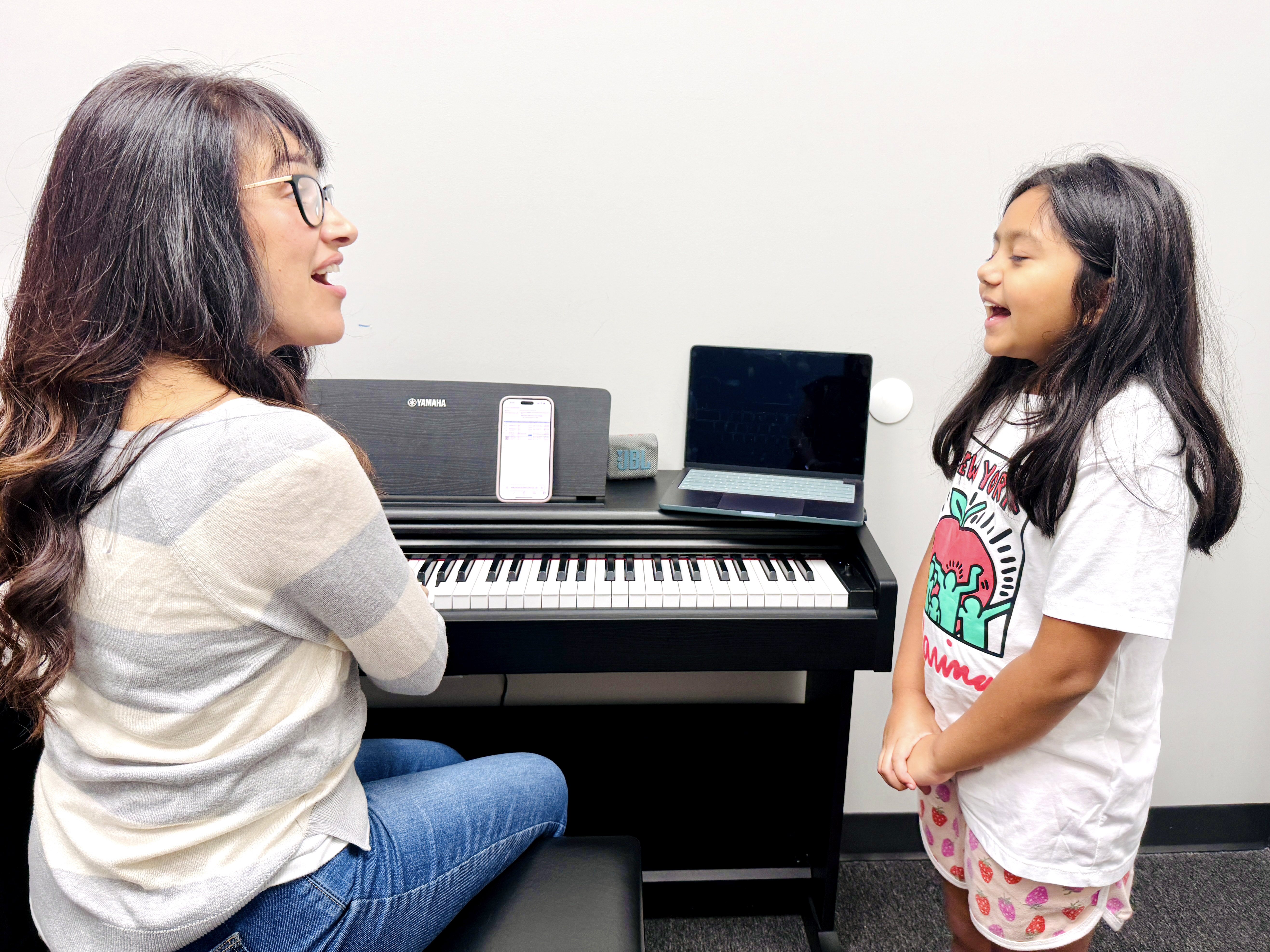
Because the lessons are one-on-one, the teacher can shape each session around the student. That means:

  • Warm-ups that match the age and range of the singer

  • Exercises chosen for specific goals, like higher notes or clearer diction

  • Song choices that fit both taste and current skill level

We also care a lot about vocal health. When students learn to sing correctly, they are less likely to strain during busy seasons with school shows, choir concerts, and summer camps. Good habits now help protect the voice so it stays strong and flexible for years of singing.

From Shy to Spotlight Through Performance

The thought of walking onto a stage can feel scary at first. That is why performance should be introduced gently, not all at once. At a dedicated music school, we use many small steps to help students warm up to the idea.

A typical path might look like this:

  • First, sing only in the lesson room, just for your teacher

  • Next, sing a short section for a small group or in a studio class

  • Then, perform for family or friends in a casual setting

  • Finally, step onto a recital stage with full support

During this process, we teach simple tools that make a big difference:

  • Breathing exercises to calm nerves before singing

  • Focus tricks, like choosing a spot on the back wall to look at

  • Mental phrases that shift fear into excitement

Over time, students start to notice a change. The shaky hands and tight throat start to ease. The stage becomes less scary and more like a place to share something they enjoy.

Tailored Lessons for Every Age and Goal

Not every singer wants the same things from lessons. A young child, a busy teen, and an adult learner all come in with different needs; private voice lessons should respect that.

Here are a few common paths:

  • Younger children often focus on simple pitch, rhythm, and clear words through fun, short songs

  • Teens might work on choir music, musical theater pieces, or solo material for auditions

  • Adults may want a creative outlet, a way to relax, or help matching pitch and gaining control

Because we teach in a full music school setting in Katy and Houston, students can also blend voice with other instruments. Some like to accompany themselves on piano or guitar, which builds a deeper sense of rhythm, harmony, and overall musicianship.

The classroom spaces are set up for music learning, which helps students feel like they are in a real, focused school, not just a side activity. That mindset supports commitment and growth.

Getting Ready to Start Your First Lesson

The first voice lesson should feel welcoming, not like a test. Most teachers begin with a short, friendly chat about you, your goals, and your past singing experience, if any. Then they do a gentle vocal checkup by asking you to hum, slide on a few notes, or sing a small part of a simple song.

You can expect:

  • Clear explanations of what you are doing and why

  • Easy exercises that help you feel comfortable making sound

  • A chance to share a song or artist you like

To start strong in late spring and early summer, it helps to:

  • Drink water regularly so your voice stays hydrated

  • Get decent sleep, especially during busy end-of-year events

  • Arrive with one or two favorite songs you might want to learn

You do not need prior training, perfect pitch, or any special talent. Curiosity, patience, and a willingness to try are more than enough for that first step.

Building a Confident Voice One Lesson at a Time

As the school year winds down and schedules open up a bit, it can be a great time to give singing a real chance. Regular vocal singing lessons turn random practice into focused growth, both for the voice and for personal confidence.

At Music Academy of Texas in Katy and Houston, we see students of all ages discover that the strong, steady voice they hoped for was inside them the whole time. With guidance, practice, and small acts of bravery, they learn to bring it out, one note at a time.

Find Your Strongest Voice With Expert Guidance

If you are ready to build confidence, improve your range, and sing with better control, our vocal singing lessons can help you reach that next level. At Music Academy of Texas, we tailor each session to your goals so you make steady, real-world progress. We welcome beginners and experienced singers alike, and we are happy to answer your questions or help you schedule your first lesson when you contact us.