Skip to content

Turn Musical Curiosity Into Confident First Steps

Kids in Katy often show their love for music in small ways. They hum along in the car, drum on the table at dinner, or stop to stare at any piano or guitar they see. Parents see the spark, but the path from casual interest to real music lessons can feel confusing.

You might wonder if it is too early, if a teacher will be too strict, or how lessons will fit between school, sports, and family time. You might also worry about picking the wrong instrument or studio and wasting your child’s excitement. Those are all normal thoughts.

This guide is here to give you a clear, simple checklist. By the end, you will know how to tell if your child is ready, what to look for in a music studio in Katy, how to choose a teacher, and how to pick a lesson format that actually works for your family schedule, especially as spring and summer fill up fast.

Clarify Your Child’s Readiness, Goals, and Learning Style

The first step is not choosing a studio. It is looking at your child. Most kids start private music lessons around age 5 and up, but age alone is not the only sign.

Helpful readiness signs include:

  • Can sit and focus on one activity for about 15 minutes

  • Can follow simple two- or three-step directions

  • Shows clear interest in sounds, songs, or instruments

  • Handles basic motor skills like pressing piano keys or holding a pencil

For elementary beginners, we want lessons to be playful, structured, and gentle. Middle school beginners often care about style, like pop, choir, or band. High school beginners can handle longer lessons and may have specific goals, like audition prep or songwriting.

Think about your child’s goals and personality:

  • Are you hoping for fun exploration, school choir support, joining a band, or future auditions?

  • Is your child shy and thoughtful, or bold and energetic?

  • Do they get anxious when they make mistakes, or do they shrug and try again?

A shy child might do better starting with piano or voice in a calm one-on-one setting. A high-energy child might love drums or guitar with a teacher who uses movement, clapping, or rhythm games.

Next, think about learning style and home life:

  • Visual learners like written notes, colors, and charts

  • Auditory learners learn best by listening and copying

  • Hands-on learners need to touch, move, and experiment

Also ask yourself:

  • How many days a week can your child practice, even for 10 to 15 minutes?

  • Is there a quiet space at home for an instrument?

  • Are you more free on weekday afternoons or weekends?

Your honest answers will guide the right lesson length and frequency when you start looking at music lessons in Katy.

Evaluate Music Studios Beyond Price and Proximity

Price and distance matter, but they are not the only things that keep a child in lessons long-term. The feel of the studio is just as important.

When you walk into a studio, notice:

  • Is the lobby welcoming and clean?

  • Are there clear safety rules and check-in processes?

  • Can you see lesson rooms, and do they look comfortable and organized?

  • Is there a place for parents or siblings to wait?

A family-friendly setting helps kids feel safe and excited to come back week after week. It also tells you the studio cares about both students and parents.

Ask about how the studio is run:

  • Is there a clear plan or curriculum for beginners?

  • Are there recitals or performance chances, and are they low-pressure?

  • How do they track progress so your child does not feel stuck?

  • How are teachers hired and screened?

You want to know that teachers are chosen with care, that there are background checks, and that the staff is trained to work with kids and families, not just to play music.

In the Katy, Cinco Ranch, and greater Houston area, commute and timing matter. Before you enroll, think about:

  • Traffic patterns around school pickup

  • Parking at the studio during busy hours

  • How lessons will work around spring sports, summer camps, and later, back to school

If getting to lessons feels like a daily puzzle, it will be harder to stay consistent. A plan that fits your regular routes, like school to studio to home, will make music a calm part of your week instead of a stress point.

Choose the Right Teacher Match for Your Child

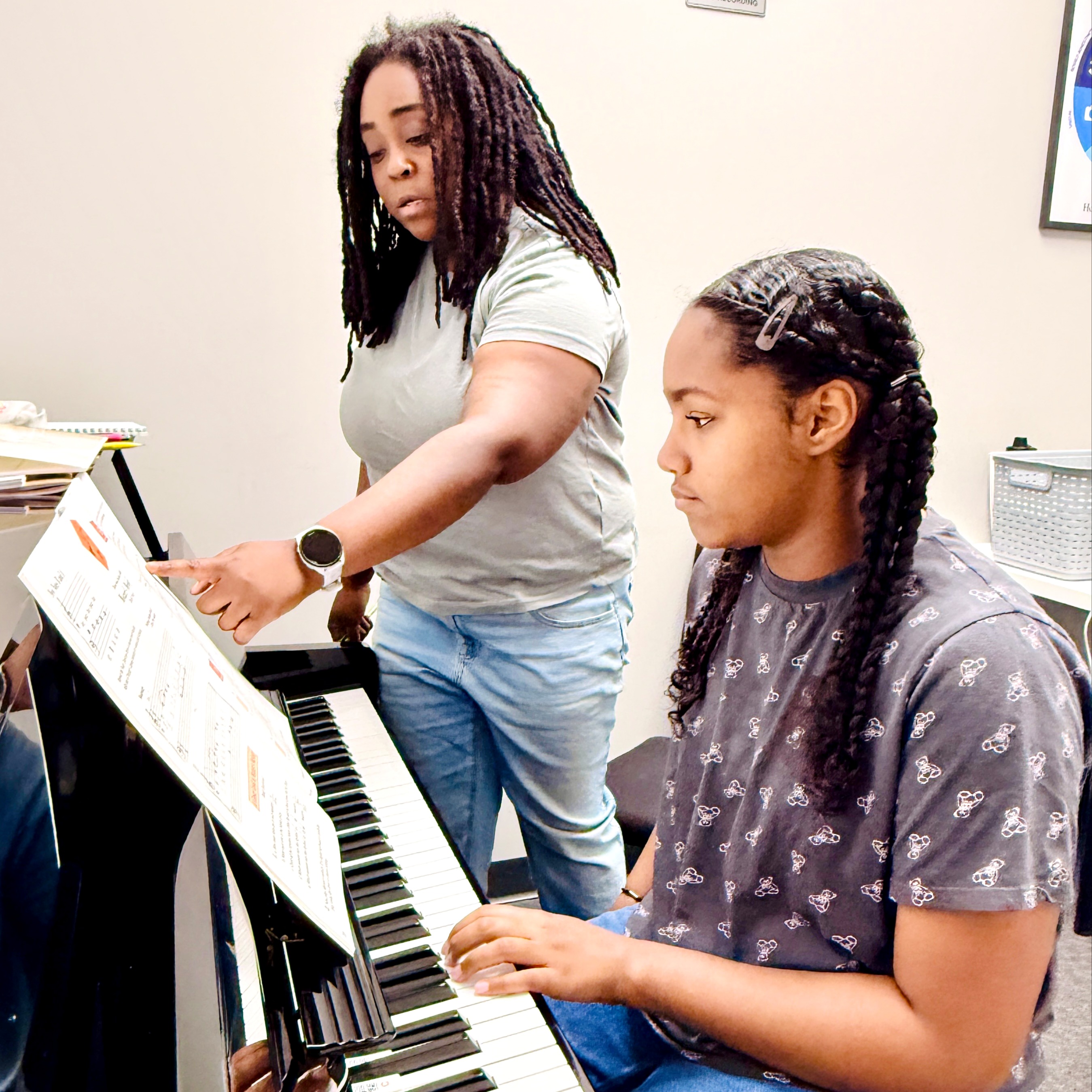
Once you find a studio you like, the teacher is the next key piece. Kids learn best from teachers they like and trust.

During a trial lesson or first meeting, watch for:

  • Patience when your child is shy, wiggly, or nervous

  • Clear, simple explanations broken into small steps

  • Warm encouragement instead of harsh criticism

  • Use of games, rhythm claps, or simple tech tools to keep things fun

Ask yourself after the lesson: Did my child smile? Did they talk about the teacher on the way home? Do they seem curious to go back?

Strong training and experience matter too. Private, one-on-one instructors who know their instrument deeply and have real teaching experience often help students progress with less frustration. It can help to look for teachers who specialize in the area your child cares about, such as:

  • Piano for a strong base in music reading and ear

  • Voice for choir support and confident singing

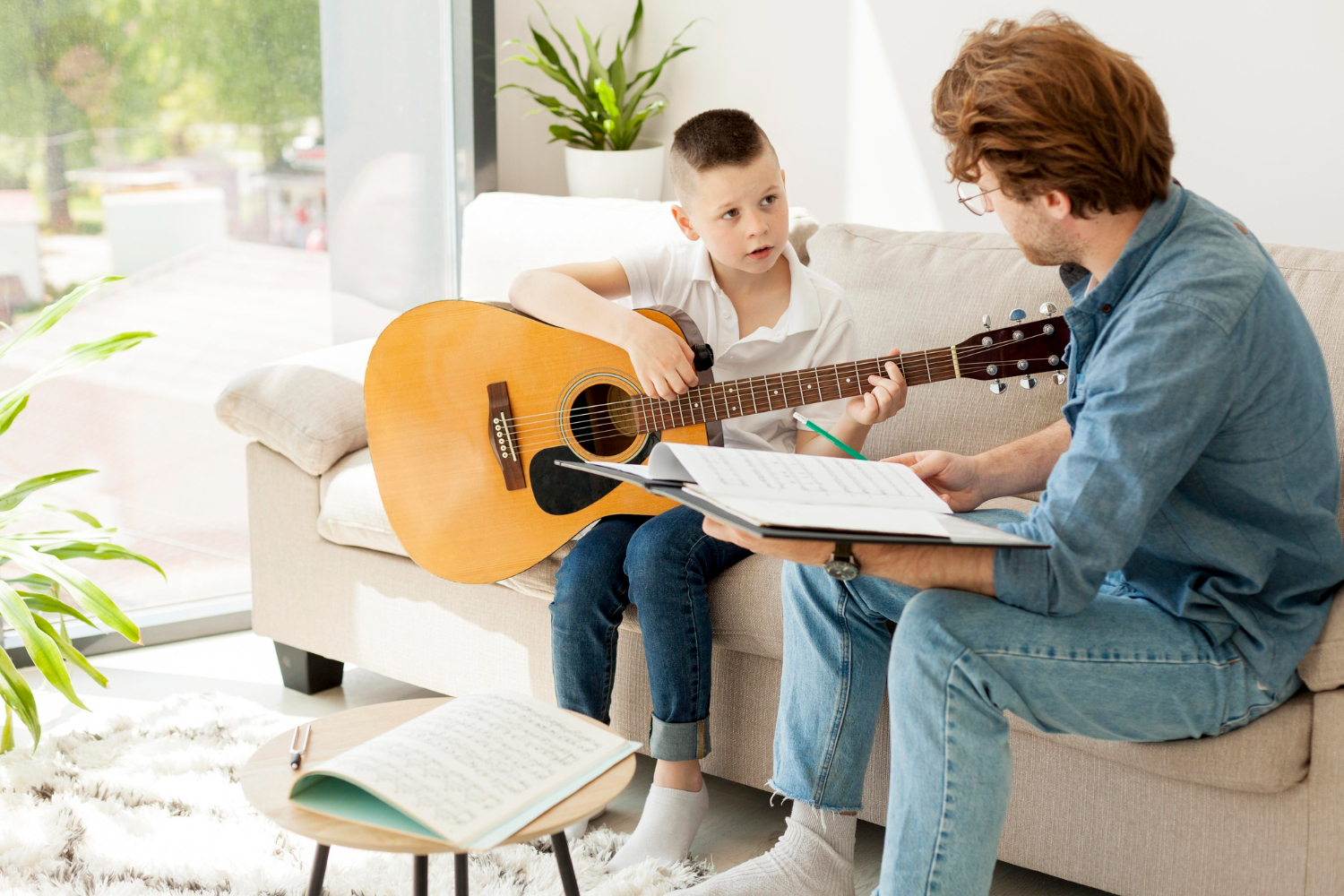
  • Guitar for pop, worship, or band goals

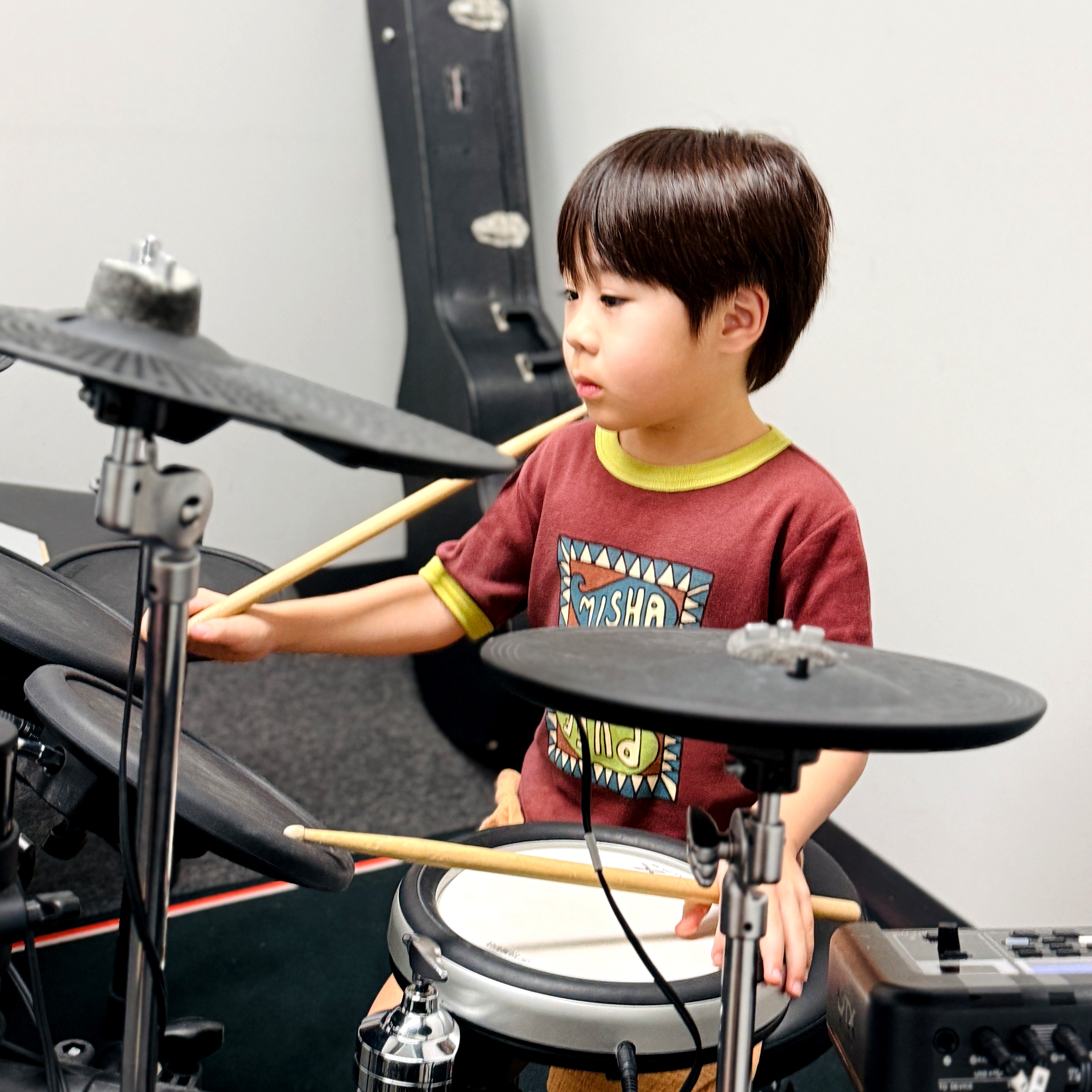
  • Drums for rhythm, focus, and high energy kids

  • Strings for orchestra students or classical goals

Good communication with parents is another green flag. Look for teachers who:

  • Give quick updates after lessons, even a short summary

  • Set clear, realistic practice expectations

  • Welcome your questions and share wins and challenges honestly

When you and the teacher are on the same team, it is much easier to support practice at home and keep your child on track with music lessons in Katy.

Pick the Best Lesson Format, Schedule, and Commitment

Today, families can choose between in-person and online, one-on-one and group. Each option has its place.

In many cases, one-on-one lessons help kids build strong basics faster, because:

  • The teacher can move at your child’s pace

  • Lessons can adjust for that day’s mood or energy

  • The focus stays on your child’s questions and goals

Group settings can be fun for certain ages or programs, but for most beginners, private lessons give clearer, calmer progress, especially when attention spans are still growing. Online lessons can work for older or very focused kids, or as a backup when life gets busy, while in-person lessons often make it easier for younger students to stay engaged.

Think about lesson length and timing:

  • Young beginners: 30 minutes once a week is often enough to start

  • Older beginners or very motivated students: 45 minutes can give time for both skills and songs

  • Advanced or serious students: 60 minutes allows for deeper technique and performance prep

When choosing a time slot, consider:

  • After-school lessons on a day with lighter homework

  • Saturday slots if weekdays are packed with sports

  • Keeping the same day and time year-round, even as seasons change

Before you commit, read the studio policies carefully.

  • Clear rules on missed lessons and makeups

  • How recitals and events work

  • Tuition due dates so you can plan ahead

Treat the first 4 to 6 weeks as a trial runway. During that time, ask:

  • Is my child still interested and willing to practice a little most days?

  • Do we like the teacher and studio environment?

  • Does this time slot truly work with our life?

Small adjustments are normal at the start. The goal is a routine that feels steady, not forced.

Take the Next Step Toward Your Child’s Musical Future

When we break it down, the path is simple: understand your child’s readiness and goals, choose a studio that feels safe and friendly, find a teacher your child connects with, and set up a lesson format and schedule that works with your real life. Once those pieces are in place, the rest is just showing up and growing, week by week.

Spring and early summer are especially helpful times to start music lessons in Katy, because schedules are often a bit more flexible and kids can build a base before the busy fall semester. At Music Academy of Texas, we love helping families turn casual humming and tapping into real songs, skills, and confidence. You do not need every answer before you start. You only need a clear first step and a studio ready to walk beside your family as your child discovers what music can be.

Take The Next Step In Your Musical Journey Today

If you are ready to grow your skills with supportive, professional teachers, our music lessons in Katy are designed for you. At Music Academy of Texas, we tailor each lesson to your goals so you can make real progress and enjoy the process. Reach out today to discuss your needs, scheduling options, and the best program for you, or contact us to get started.