4 min read

Inside Online Music Lessons: Keeping Young Beginners Engaged

music lesson

Helping Young Musicians Thrive on Screen

Online music lessons are now a normal part of family life, especially when school, sports, and activities all start at once in the fall. Many parents want the convenience of lessons at home but worry that a young child will not sit still, pay attention, or really learn much through a screen.

We see something different every week. With the right setup and a teacher who plans for young minds and short attention spans, even brand-new beginners can focus, grow, and actually look forward to lesson time. In this article, we are sharing real strategies our teachers use to keep kids engaged, progressing, and excited to practice between lessons.

Why Online Music Lessons Work for Young Beginners

One-on-one attention is a big reason online music lessons work so well. In a private lesson, the teacher can match the speed, style, and energy of each child. A student who is shy in groups often feels more relaxed talking to one trusted teacher. A child who gets distracted in a classroom setting usually focuses better when the lesson is just for them.

There are also practical benefits for busy families in the Houston area. Less driving means.

  • No rushing across town in heavy traffic

  • Easier after school routines and dinner time

  • Fewer missed lessons when evenings fill up with events and holiday plans

For many kids, learning at home feels safe and familiar. They are in their own chair, with their own instrument, in a space they know. That comfort helps nervous beginners feel brave enough to sing out, try new piano pieces, or experiment with guitar chords. It also makes the transition from lesson time to practice time smoother, since everything is already set up in one place.

Online lessons can also support different learning styles. Some children respond best when they see things clearly on the screen, like close-up views of hand positions. Others like to move and clap along, and the teacher can build small movement breaks right into the lesson. Because it is one-on-one, the teacher can adjust quickly to whatever keeps that student alert and interested.

Setting up a Kid-Friendly Online Lesson Space

A good online lesson starts with a good setup. You do not need a fancy studio in your house, just a small, steady “music zone” that belongs to your child.

A helpful lesson space usually includes:

  • Stable internet so the video does not freeze

  • Good lighting so the teacher can see the student’s face and hands

  • A quiet corner away from TV, pets, and loud toys

  • A device on a stand or table, not wobbling in someone’s hand

Comfortable, age-appropriate tools make a big difference too. For young pianists, a sturdy bench or chair at the right height helps with posture. For guitar or strings, a music stand keeps books at eye level. Labeled folders or binders keep sheet music and theory pages in one spot so nothing goes missing between lessons.

You can also add a few fun touches that support focus instead of breaking it:

  • Colorful stickers to mark sections in the music

  • A simple practice chart taped to the wall

  • A small cup with pencils, highlighters, and page markers

Before the lesson starts, it helps if a parent does a quick “tech check”: is the sound working, is the camera angle right, is the instrument in tune? Once everything is ready, it is usually best to step back. Being nearby but not hovering allows your child to interact directly with the teacher, ask questions, and build independence. If your child is very young, sitting just off-camera or quietly in the room is often enough support.

Engagement Strategies That Turn Screens Into Stages

Great online teachers treat the screen like a stage, not a wall. They keep things moving so young students are always doing something, not just listening and staring.

A typical online lesson for a young beginner might include:

  • Short playing segments, then a quick shift to clapping or chanting rhythms

  • Call-and-response games where the child copies a melody or pattern

  • Simple body movement, like stepping to the beat or tapping shoulders and knees

  • Tiny “showtime” moments where the student performs a few measures proudly

Visual tools are also powerful on screen. Teachers can share:

  • On-screen notation to circle notes, rhythms, or lyrics

  • Digital flashcards to review note names or symbols

  • Backing tracks so even beginners feel like they are playing with a band

  • Screen-shared diagrams to show fingerings or chord shapes up close

Young students thrive on quick wins. Instead of waiting weeks to feel successful, they can finish a mini challenge every lesson, like:

  • Playing a line three times with steady rhythm

  • Reading a short pattern correctly on the first try

  • Singing a new phrase with clear words and tall vowels

With each small success, the teacher gives specific, upbeat feedback: what went well, what improved since last week, and one tiny goal for next time. That steady stream of positive moments keeps motivation high and helps kids see themselves as “real musicians,” even at the very beginning.

Partnering with Parents to Build Strong Habits

Online lessons work best when parents and teachers work together. The amount of parent involvement changes with age, but support at home is always helpful.

For very young beginners, parents might:

  • Stay nearby the whole lesson for help with camera angles or page turns

  • Join in on movement games or clapping activities when the teacher invites

  • Help translate teacher instructions into simple reminders during the week

For older elementary students, parents can usually give a bit more space. Helpful support might look like:

  • Checking a practice log or chart a few times a week

  • Reminding your child of their planned practice time

  • Asking them to share one short song after dinner

Consistency makes practice feel normal instead of optional. Many families find it helpful to keep:

  • The same lesson day and time every week

  • A regular practice window before or after another daily habit, like homework

  • Small, clear goals like “play this piece twice with no stopping” or “say note names out loud on this line”

Celebrating progress matters more than catching every mistake. Family mini-performances, progress jars filled with marbles or stickers, and simple praise like “I can hear how much smoother that sounds” show your child that their effort counts.

Turning Today’s Online Lessons Into Tomorrow’s Musicians

Online music lessons are not just a backup plan for busy weeks. With thoughtful teaching, strong routines, and a supportive home setup, they can be a long-term path for your child to grow as a musician, especially during full fall schedules and the busy holiday stretch.

As weeks go by, watch for quiet signs that things are working: longer focus during practice, smoother hand coordination, more humming around the house, or questions about new songs and instruments. These are all clues that your child is connecting with music, not just staring at a screen. At Music Academy of Texas, we see how online lessons can keep young beginners engaged, curious, and proud of their progress, one small victory at a time.

Start Your Musical Journey With Flexible Online Lessons

Discover how convenient and effective learning can be with our personalized online music lessons. At Music Academy of Texas, we tailor each session to your goals, schedule, and experience level so you can progress with confidence. Whether you are picking up an instrument for the first time or returning after a break, we will help you build solid skills at a comfortable pace. Have questions or need help choosing the right program for you? Just contact us and we will guide you through the next steps.

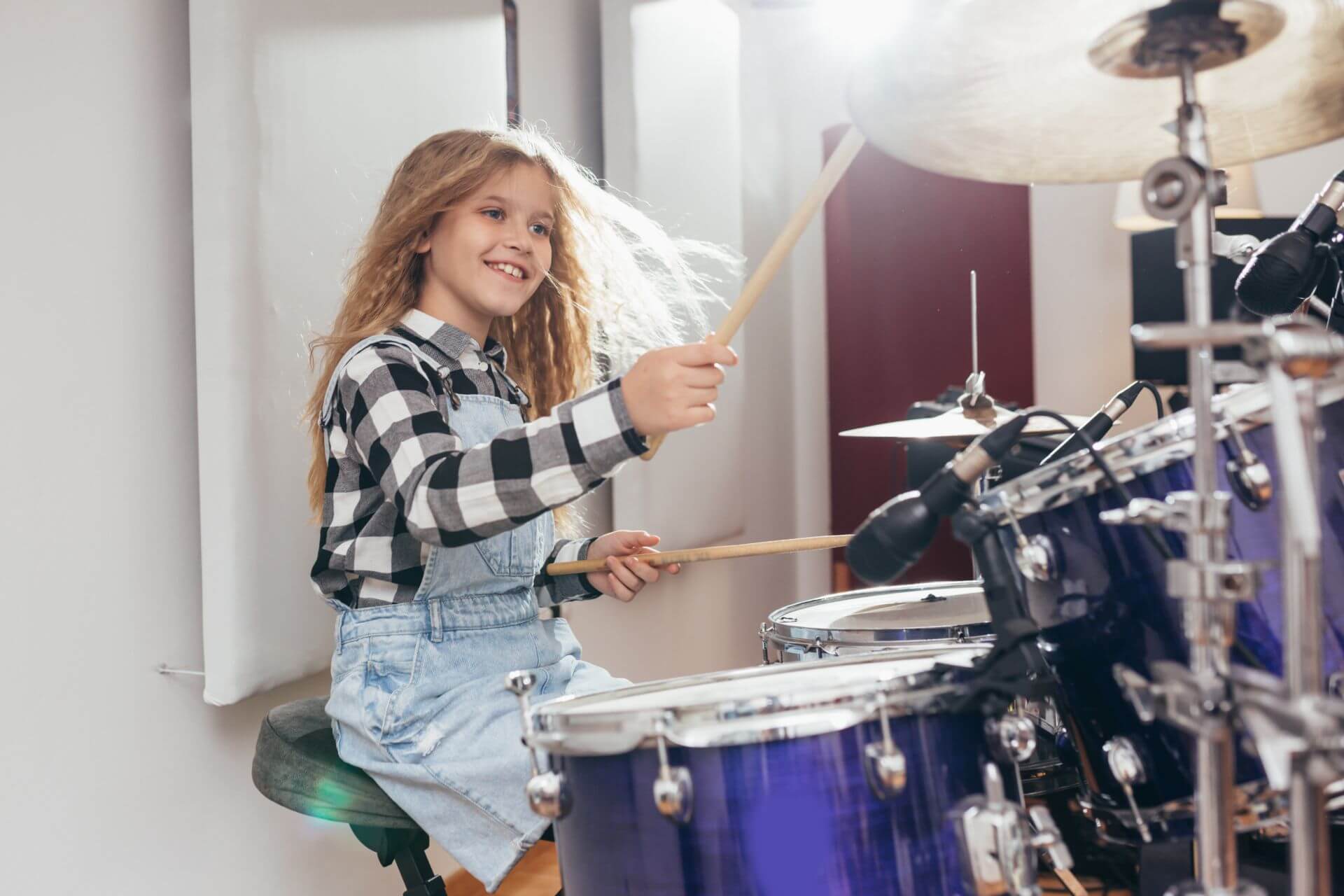
What Is The Best Way To Learn How To Play The Drums?

What Is The Best Way To Learn How To Play The Drums?

The best part is that whether you are a beginner or an experienced player, our skilled instructors will assist you in learning how to play the drums.
Read More
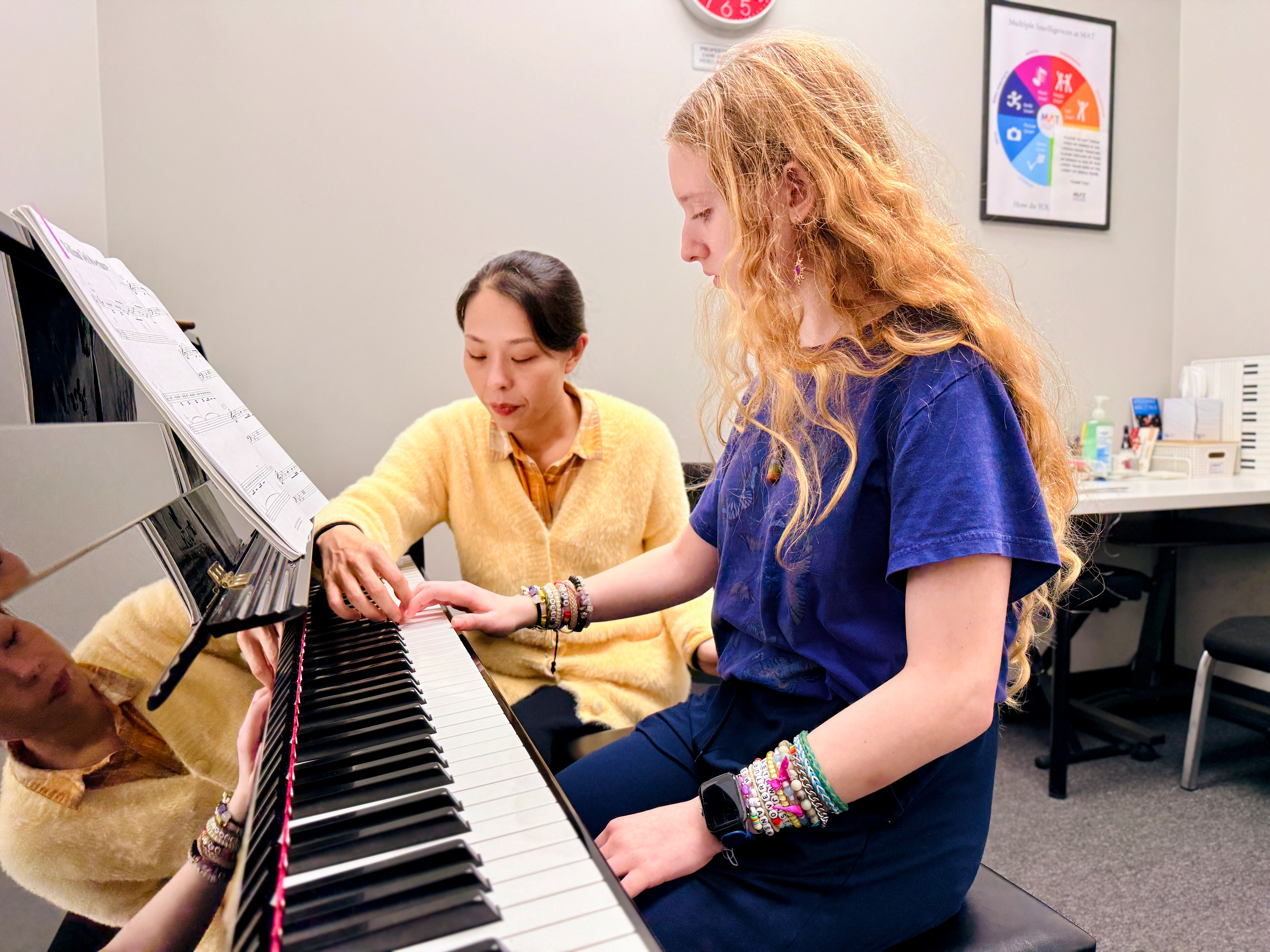
Questioning Summer Music Lessons in Katy for Older Beginners

Questioning Summer Music Lessons in Katy for Older Beginners

Explore if summer is right for older beginners and how to start with confidence through music lessons in Katy, from piano to voice and guitar.
Read More
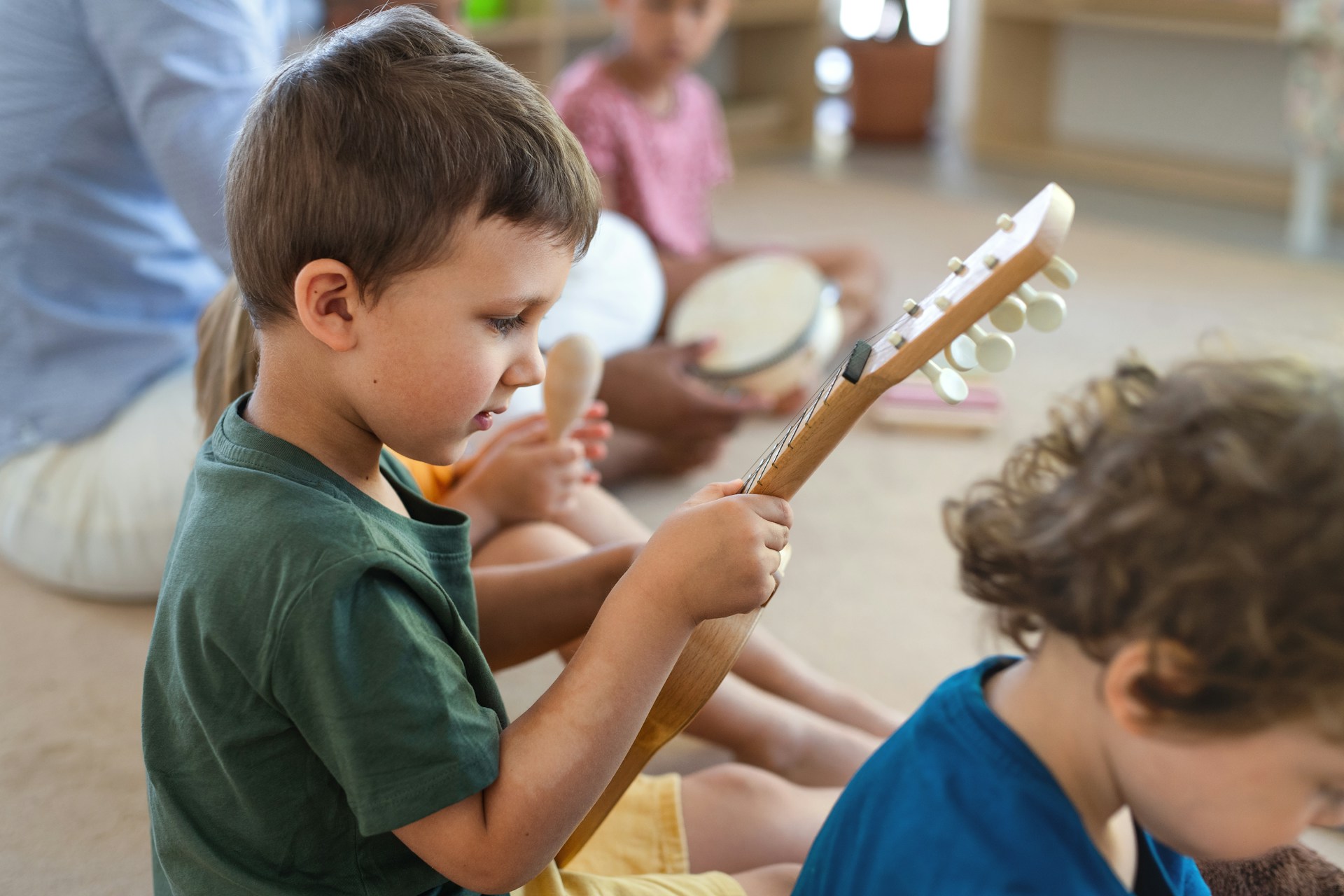
Summer Music Camps Vs Weekly Music Lessons in Katy

Summer Music Camps Vs Weekly Music Lessons in Katy

Compare summer camps and weekly options to choose the best music lessons in Katy for kids, teens, and adults based on goals and schedule

Read More