Skip to content

Growing Global Kids Through Music in Katy

Kids in Katy are growing up around many languages, foods, and traditions. Classrooms and neighborhoods include families from all over the world. That is a beautiful thing, and it also means our kids are learning how to live in a global community from a young age.

Multicultural music lessons are a simple, joyful way to support that growth. By “multicultural,” we mean lessons that include music, songs, and traditions from many cultures, taught with respect and clear purpose. It is not random or shallow. It is a thoughtful mix of styles and stories that help kids see the world through sound.

When kids in Katy learn music from around the globe, they are not just learning notes. They are building confidence, empathy, and strong thinking skills that help them at school, at home, and on stage. As a music school, we see how this kind of learning shapes who they are becoming, not just how they play or sing.

How Multicultural Music Builds Confident Young Musicians

Every child connects to music in a different way. Some love a strong beat. Some love a gentle melody. When we bring in music from many cultures, we open more doors for kids to succeed.

Different musical traditions offer

  • New rhythms, like Latin grooves or African patterns

  • Different scales and modes from Eastern and Middle Eastern music

  • Unique vocal styles, such as call and response or folk singing

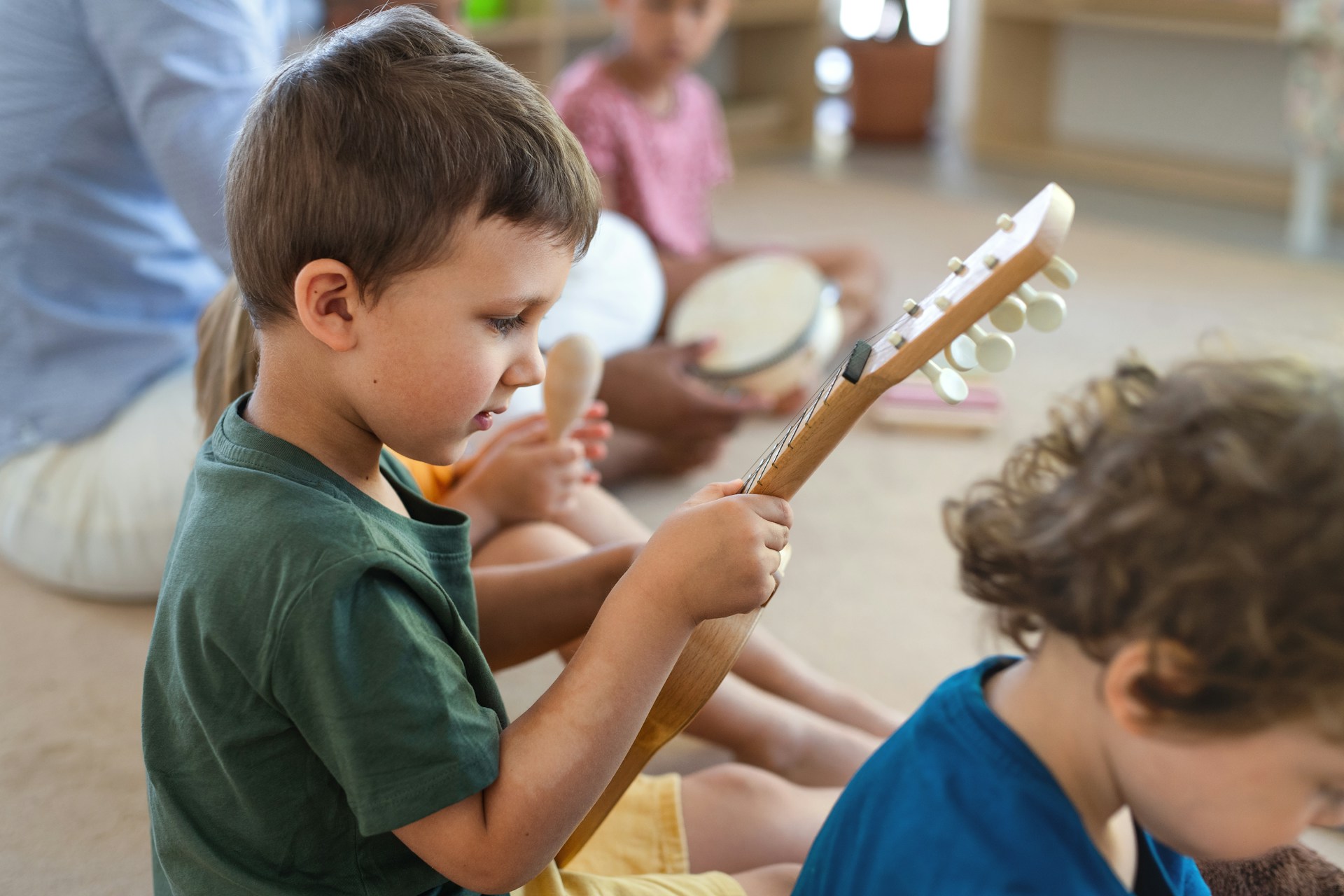
  • A wide range of instruments, from strings to percussion

When a child tries an unfamiliar style in a safe, one-on-one lesson, it sends an important message: it is okay not to be perfect right away. They get used to thinking, “This feels new, but I can learn it.” That simple belief builds courage.

Multicultural lessons help kids:

  • Take healthy risks in front of a trusted teacher

  • Stay curious when something feels “strange” at first

  • Keep going when a pattern or rhythm is tricky

Over time, this practice shows up in their performance confidence. A student who has worked with many styles is more flexible on stage. If the tempo changes or nerves kick in at a recital or school concert, they know how to adjust. They have already trained themselves to handle new sounds. That makes public playing and singing feel less scary and more fun.

Boosting Brainpower and Focus Through Global Sounds

Music from around the world trains the brain in powerful ways. Many global styles include rhythms and tonal systems that stretch how kids hear and think.

For example, complex drum patterns can sharpen:

  • Listening skills, by asking kids to hear several beats at once

  • Pattern recognition, by spotting repeating ideas inside the music

  • Memory, by recalling longer, more detailed phrases

Modal melodies or unfamiliar scales also ask the brain to notice small changes in pitch and direction. This kind of careful listening connects to skills kids need in the classroom. When testing season or big projects come around, students who are used to focusing deeply in music often bring that same focus to reading, math, and problem-solving.

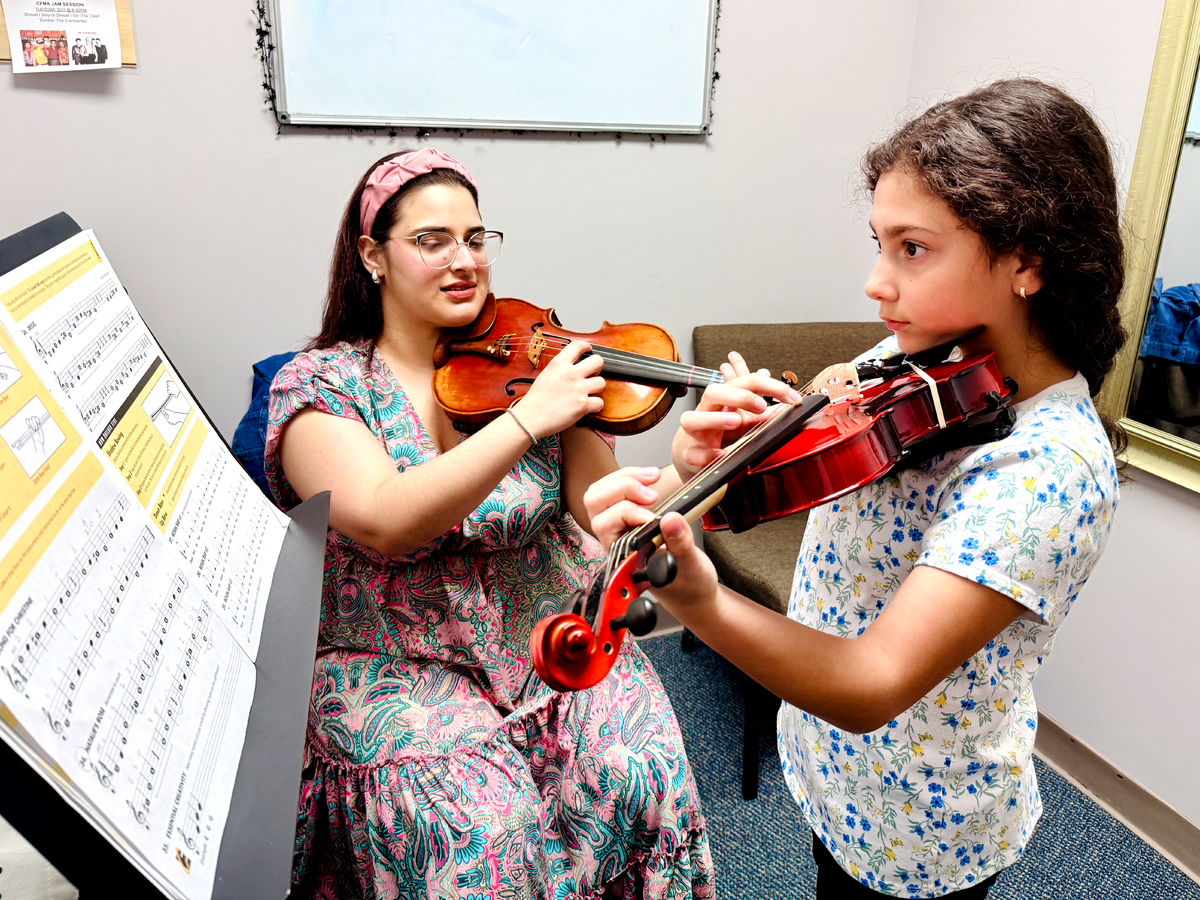
One-on-one lessons are key here. A private teacher can:

  • Match the pace of the lesson to how a child learns

  • Break down complex rhythms into small, clear steps

  • Choose songs that challenge the brain without causing stress

When multicultural elements are added with care, kids are stretched in a healthy way. Their attention grows stronger, and they learn how to stick with a problem until it makes sense.

Growing Empathy and Belonging in Katy’s Diverse Community

Katy includes families from many cultures, faiths, and languages. Music can help kids see this diversity as something to enjoy, not fear. When a student learns a song from a culture that is different from their own, they are stepping into someone else’s world for a moment.

Talking about the story behind the music matters. In lessons, we might share:

  • How a folk song was sung at harvest time or family gatherings

  • Why a spiritual or hymn brought comfort during hard times

  • How a lullaby helped parents calm their children

  • How festival music is used in parades and celebrations

These stories invite questions instead of quick judgments. Kids start to think, “This is different from my life, but I understand the feeling behind it.” They see that joy, sadness, hope, and love show up in every culture.

For students whose cultures are less visible at school, hearing their musical heritage in lessons can be powerful. When their teacher includes a rhythm or melody from their background, they feel recognized. At the same time, all students are reminded that they are part of a much bigger human story. That sense of belonging can be deeply calming in a busy, pressure-filled week.

Connecting Family Heritage to Everyday Music Lessons

Parents play an important role in multicultural music learning. You do not need to be a musician to help. Sharing a piece of your own story is often enough.

You might tell your child’s teacher:

  • What country or region your family comes from

  • A favorite childhood song your parents or grandparents sang

  • Any languages spoken at home

  • Holidays or traditions that mean a lot to your family

In a personalized lesson, these details can shape the music we choose. A teacher might work in a simple folk melody from your culture, add bilingual lyrics to a familiar tune, or use a rhythm pattern from your family’s region as a warm-up. It does not have to be complicated to be meaningful.

When kids hear, “This song comes from your family’s part of the world,” something lights up. Pride grows. Practice feels more personal. At home, this often opens up new conversations with grandparents, aunts, and uncles, especially around spring and summer celebrations when families gather more often.

Why Katy Families Need Inclusive Music Lessons Now

Kids today balance school, activities, social pressure, and a lot of screen time. It can be hard for them to feel grounded and truly seen. Inclusive, multicultural music lessons offer a steady, weekly space where they can express themselves, learn about others, and slow down for a while.

In one activity, they are:

  • Creating something with their own hands and voice

  • Learning to understand people from different backgrounds

  • Practicing focus and emotional control

  • Building skills that carry into future studies and work

Over the long term, children who grow up hearing and respecting many musical traditions often become adults who communicate more clearly, adapt more easily, and feel comfortable working with people who are not just like them.

At Music Academy of Texas, with our Katy and Cy-Fair locations, we see how this approach supports the whole child, not just their musical growth. When a lesson includes sounds and stories from around the world, kids are preparing for a future that is already here in our own community.

Start Your Musical Journey With Confidence Today

If you are ready to build real skills and enjoy making music, our teachers are here to guide you every step of the way. Explore our music lessons in Katy to find the right fit for your goals and schedule. At Music Academy of Texas, we focus on personalized instruction that keeps students motivated and progressing. Have questions or need help getting started? Just contact us and we will walk you through your options.