Skip to content

Spotting the First Spark of Musical Readiness in Your Preschooler

Spring in Katy has a special kind of energy. School calendars open up, sports sign-ups start, and families begin thinking about what comes next for their kids. It is also a natural time to ask a big question: is my preschooler ready to start music?

When we talk about “musical readiness” for ages 3 to 5, we are not talking about perfect piano pieces or polished singing. Readiness at this age is simple and gentle. It looks like listening, moving, trying, and staying curious for a few minutes at a time. It is about building roots, not performances.

Many parents are surprised to learn that their child is more ready than they thought. When music lessons in Katy are playful, short, and tailored to each child, a wide range of personalities can feel comfortable. Some kids are bold and loud. Others are quiet and careful. Both can grow through early music, as long as the approach fits them.

In the sections that follow, we will look at what musical readiness looks like in everyday life, how music supports preschool development, how to match your child’s personality with the right type of musical start, and how to know if this spring is a good time to begin. Our goal is to help you feel calm and confident, not rushed or pressured.

Everyday Signs Your Preschooler Is Ready to Explore Music

You may already be seeing small clues at home. They often show up in everyday moments, not in formal lessons.

Musical curiosity is the first sign many parents notice. Maybe your child:

  • Sings along to cartoon theme songs or jingles
  • Makes up silly songs about toys, pets, or snack time
  • Taps rhythms on the table or on car seats
  • Starts dancing any time music comes on

These small actions show that your child is noticing rhythm, melody, and mood. This natural interest is a strong sign they are ready to explore more.

Listening and focus skills matter too. A preschooler who can follow simple directions like “clap, then stop” or “put the blocks away first, then choose a book” can usually handle short, structured musical activities. If they can stay with a short story, enjoy circle time, or listen to a teacher for a few minutes, they can usually enjoy a brief private lesson or a small group music class.

Physical readiness shows up in fine and gross motor skills. Watch for things like:

  • Building with blocks or using puzzles
  • Holding crayons, play dough tools, or small toys
  • Clapping along with songs
  • Marching or jumping on the beat

These skills translate well to beginner piano keys, rhythm instruments, or simple string play. The goal is not perfect technique yet, only basic control and comfort.

Emotional readiness is just as important. Kids who enjoy praise, can try again after a small mistake, and are willing to meet a new adult usually do well in a calm, positive lesson setting. A child does not need to be fearless, only able to feel safe with gentle guidance.

How Music Nurtures Growing Minds, Bodies, and Hearts

Music is not only about notes. For preschoolers, it supports many parts of growth at the same time.

On the thinking side, early music activities help with language and patterns. Singing simple songs builds vocabulary and rhythm in speech. Clapping and counting beats help children notice order and sequence, skills that line up with early math. Remembering lyrics or short patterns helps memory as they get ready for kindergarten tasks.

Social and emotional growth also bloom in musical spaces. In a lesson or small group, children practice:

  • Taking turns with instruments
  • Listening while another child or the teacher plays
  • Expressing feelings with movement or voice
  • Building confidence by completing small tasks

When a child learns a simple rhythm or finishes a song they love, they often stand a little taller. These tiny wins add up over time.

Physical coordination grows too. Clapping on the beat, stepping in time, and playing small percussion instruments support balance, timing, and hand control. These skills connect to everyday preschool tasks like buttoning clothes, using utensils, and writing later on.

As you plan spring activities and look ahead to school in a month or two, regular music lessons can give kids a gentle bridge into more structured settings. The routines of greeting a teacher, putting hands on the keys, listening, and then playing help build self-control and attention in a safe, friendly way.

Matching Your Child’s Personality to the Right Musical Path

Not every preschooler needs the same starting point. Personality plays a big role in choosing that first musical step.

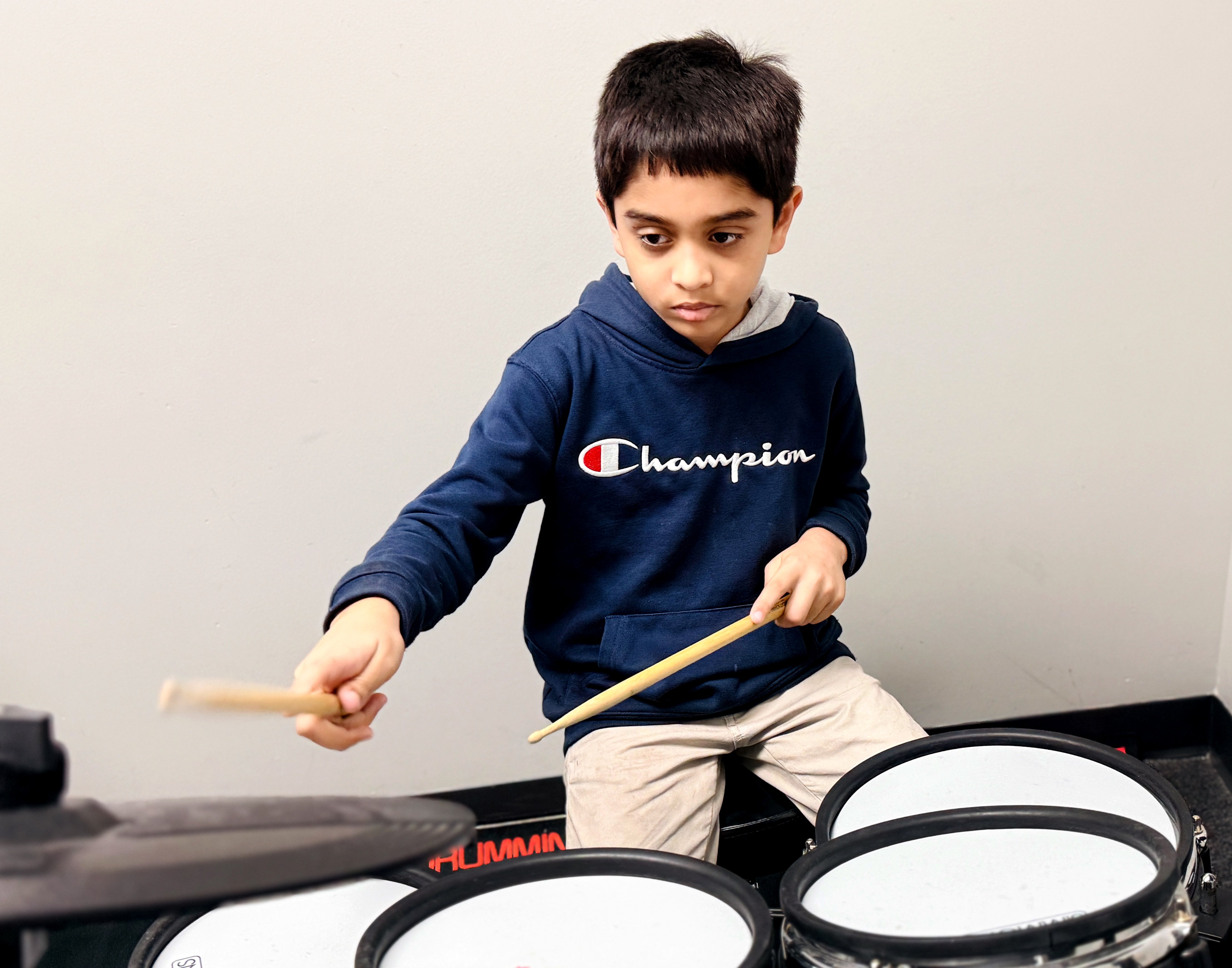
Energetic and active kids often enjoy drums and rhythm play. They like moving, shaking, tapping, and feeling the beat in their whole body. Piano can also work for them when the lesson includes lots of quick musical games and movement breaks.

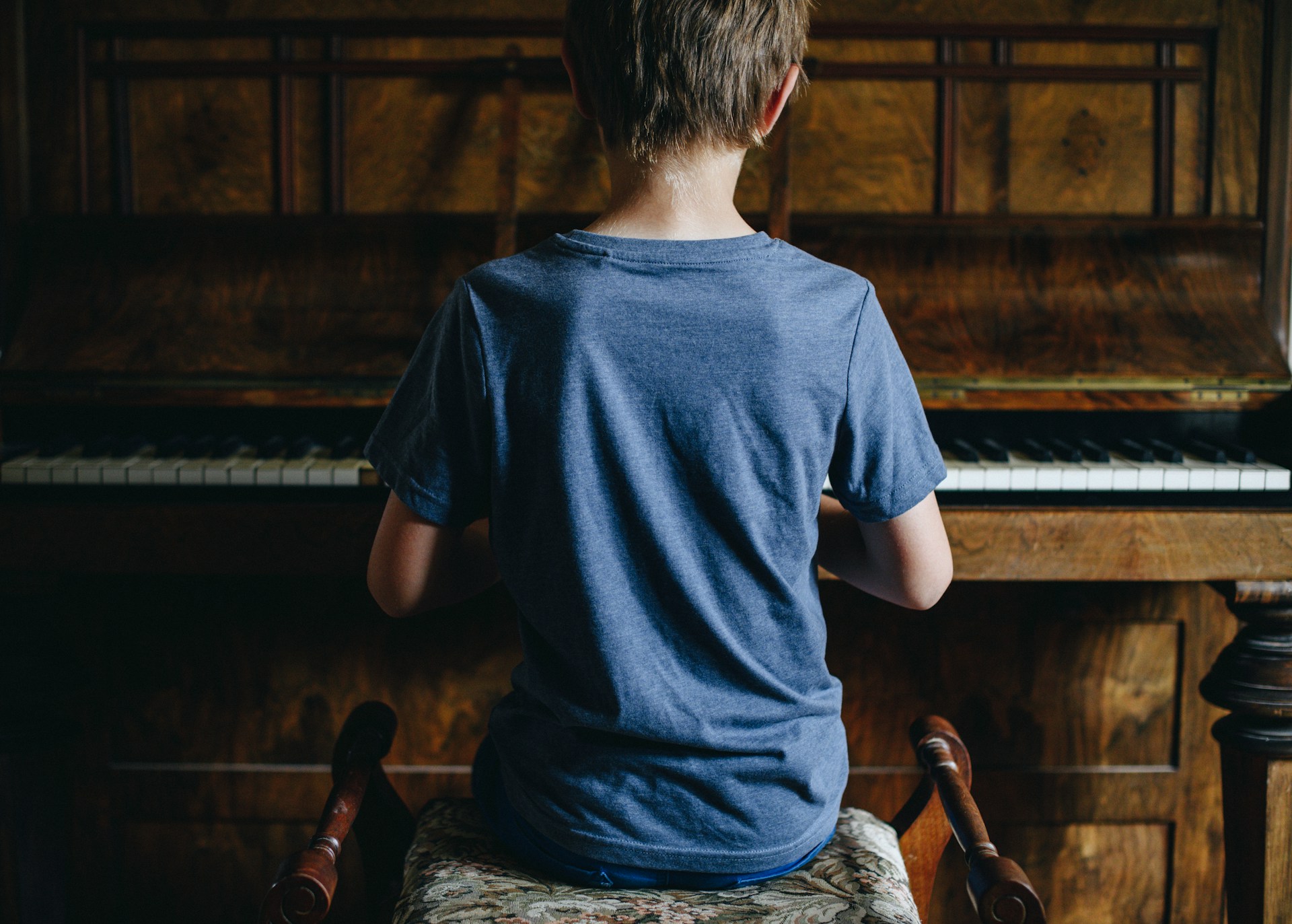
Quiet or detail-focused children sometimes enjoy piano or early string exploration. These instruments let them notice small changes in sound and feel successful with short, simple patterns. The slower pace can feel calming.

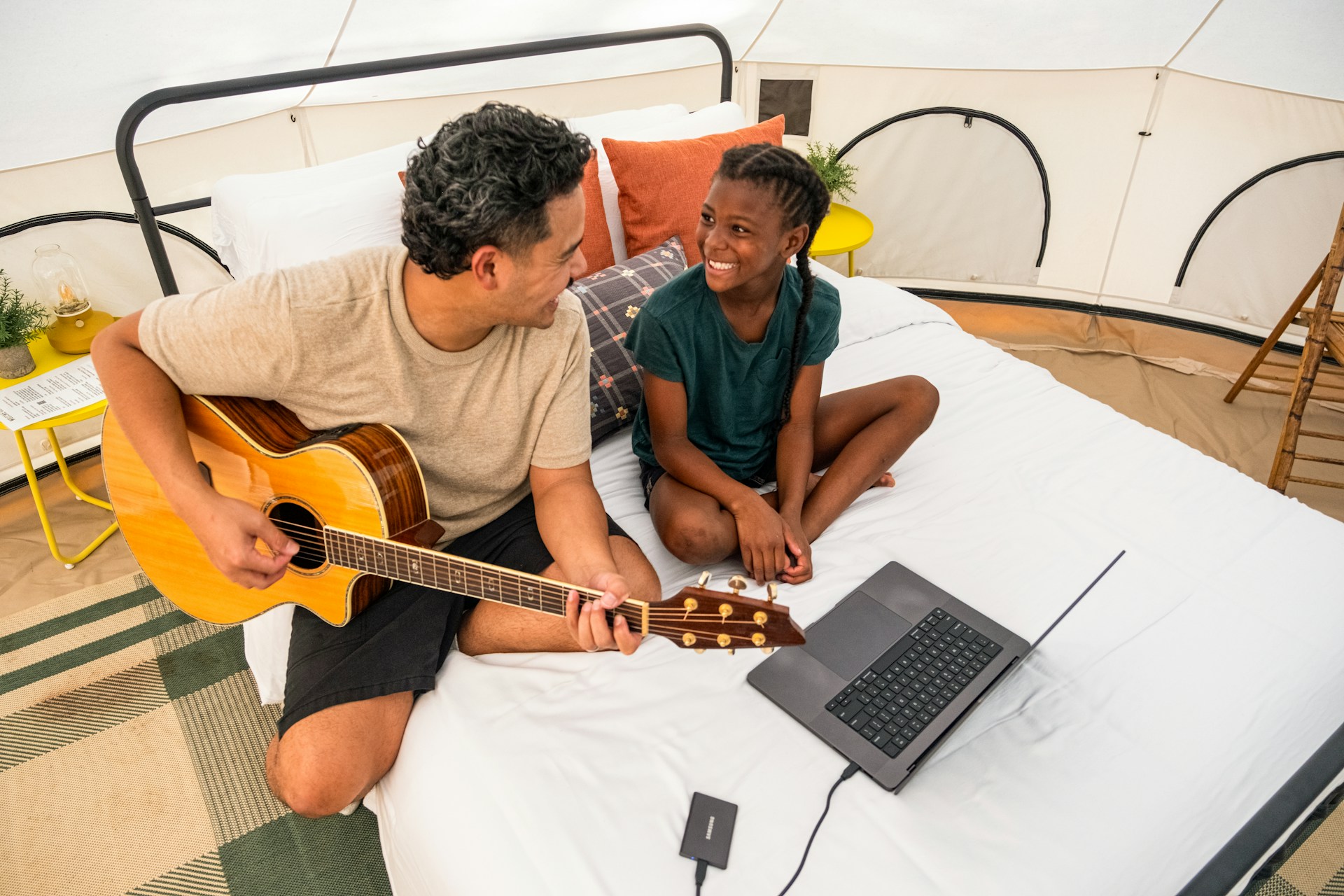
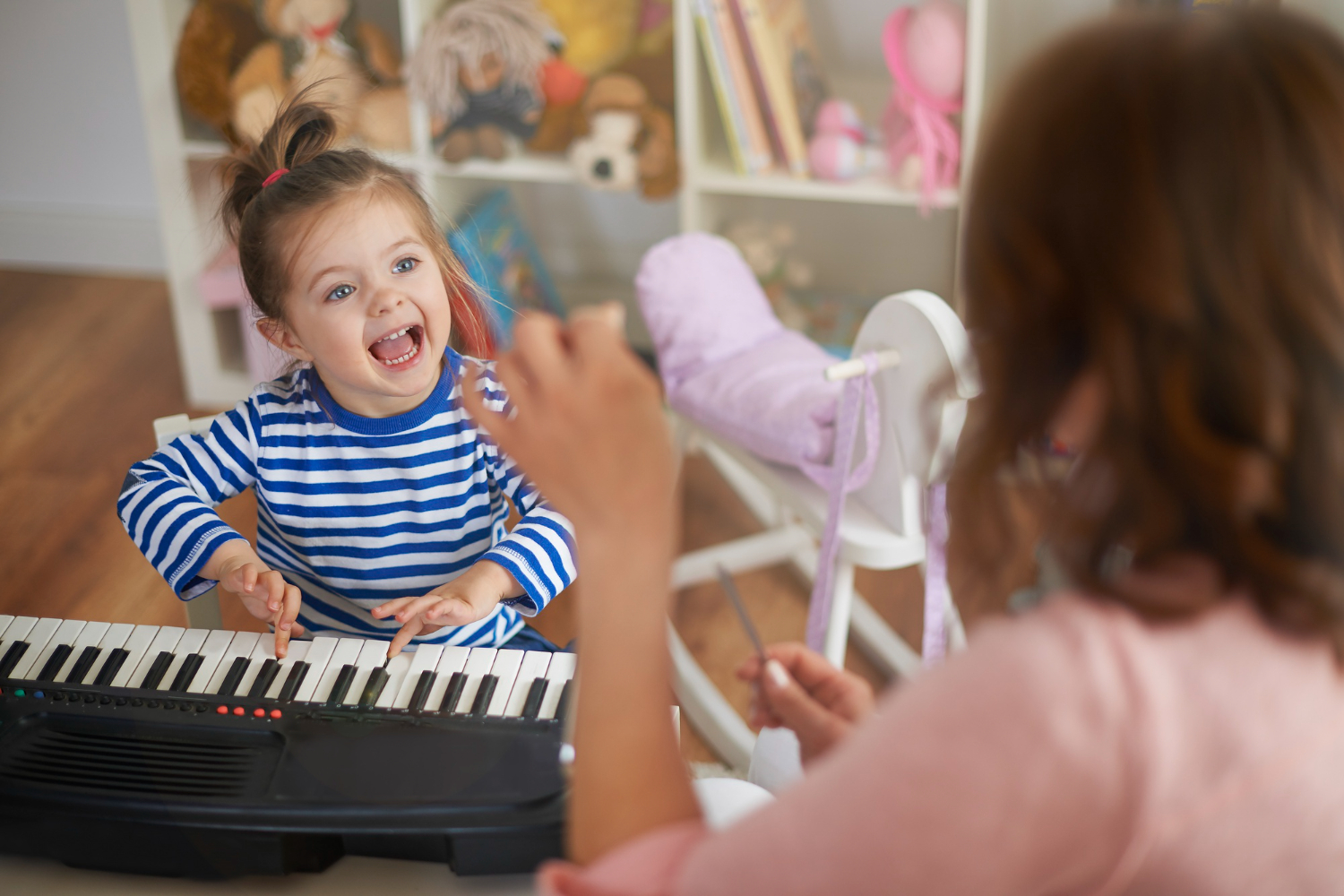
Social and expressive kids may be drawn to beginner voice lessons or small group music sessions. They often love to sing favorites, pretend with their voice, and share songs with others.

The learning environment matters too. Private lessons offer a calm one-on-one space that can feel safe for shy kids or children who are sensitive to noise. Small group classes add the fun of peers, more movement, and chances to practice turn-taking.

Expectations should stay gentle. At this age, we look for:

  • Short lessons that match attention span
  • Playful exploration, not strict practice
  • Simple home routines, like singing a lesson song together

We never expect a 4-year-old to sit at an instrument and practice like an older child. Progress is measured in smiles, small skills, and growing comfort.

A local school can guide you through this. At Music Academy of Texas, we get to know each child’s temperament and stage, then shape early lessons so they feel fun and doable. This helps Katy families find music lessons in Katy that fit who their child is right now, not who anyone thinks they “should” be.

Making a Confident Decision About Spring and Summer Music Lessons in Katy

Spring and early summer in our area often bring slightly lighter schedules. Many families use this time to gently test new activities. It can be easier to try one new class without the full school-year rush. If music feels like a good fit, your child can walk into the next school season already comfortable with a creative routine.

Here is a simple mental checklist as you decide if your preschooler is ready:

  • Shows interest in sound, song, or rhythm
  • Can focus on a fun activity for 5 to 10 minutes
  • Has basic motor skills like clapping and holding crayons
  • Responds fairly well to simple routines and praise

If you can say yes to most of these, your child will likely enjoy a carefully designed early music lesson.

Partnering with teachers can make the choice even clearer. A low-pressure trial lesson or readiness assessment with an experienced instructor lets someone who works with young children every day watch how your child responds. From there, you can get clear, personalized suggestions on timing, instrument options, and lesson style.

If it turns out that your child is not quite ready for formal music lessons in Katy, that is completely fine. There are still meaningful ways to grow readiness, like parent-child music playtime, short themed workshops, or relaxed exploratory classes. With a few months of gentle exposure, many children feel more prepared and excited.

Take the Next Musical Step with Your Katy Preschooler

As you watch your preschooler sing to toys, dance in the living room, or tap along to the car radio, trust that these little moments matter. They are honest signs that music could be a happy part of everyday life, not just a task on the calendar.

At Music Academy of Texas, we love helping Katy and Cinco Ranch families turn that spring curiosity into real musical experiences that feel safe, kind, and age appropriate. Our early childhood programs and private music lessons in Katy are shaped around the way young children actually grow, move, and feel.

Starting small right now can plant a love of music that grows over the years, from the first tiny rhythm to more advanced playing later on. It can support your child’s thinking, movement, and emotions, while giving them a creative outlet that feels like pure joy.

Take The Next Step In Your Musical Journey

If you are ready to grow your skills with expert guidance, our music lessons in Katy are designed to support you at every level. At Music Academy of Texas, we help students build confidence, creativity, and solid technique in a welcoming environment. Whether you have specific goals or are just getting started, we will work with you to create a customized learning path. If you have questions or want to schedule your first lesson, contact us today.