Skip to content

Make Summer Count with Fun, Fast Drum Warmups

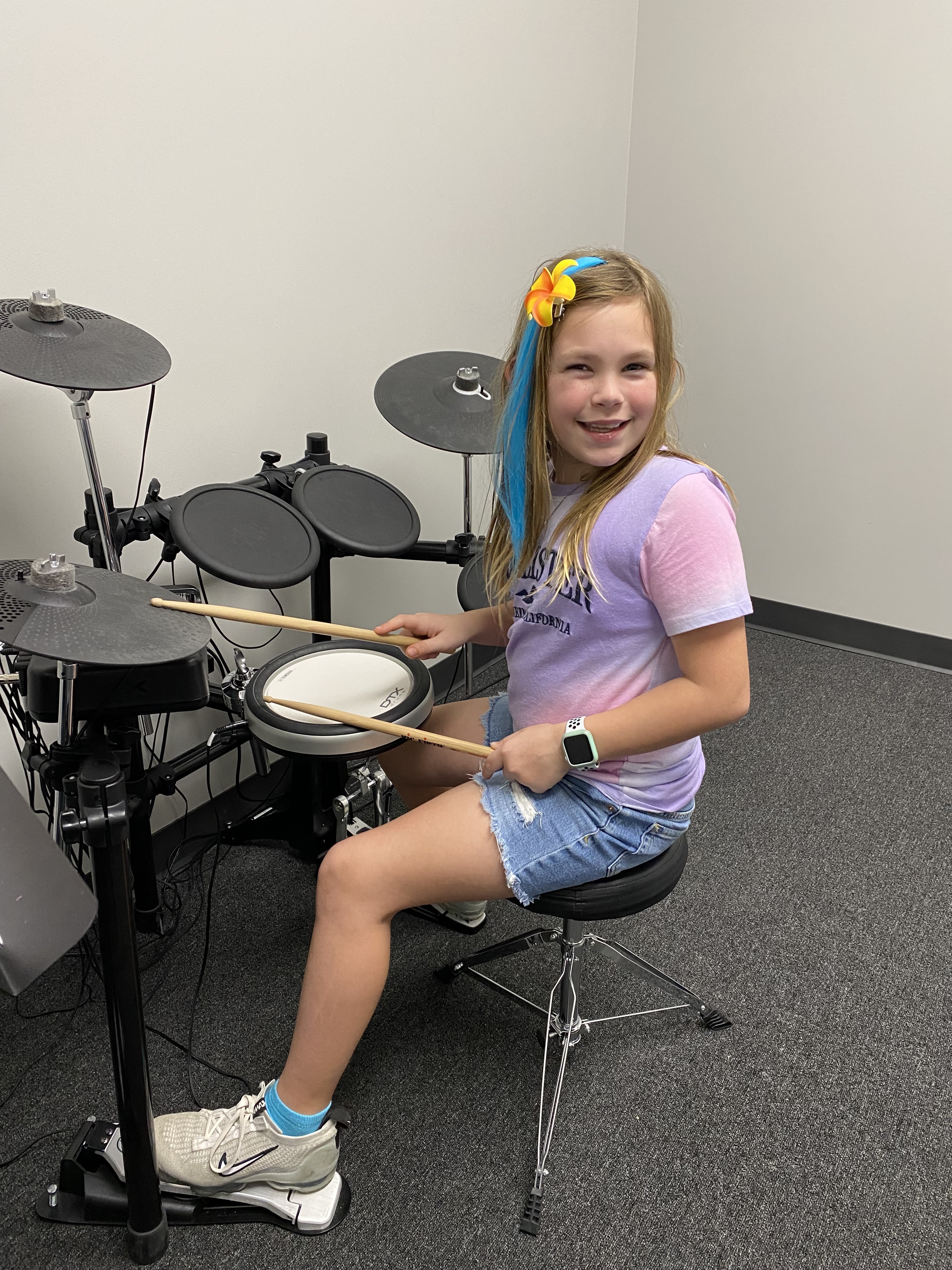
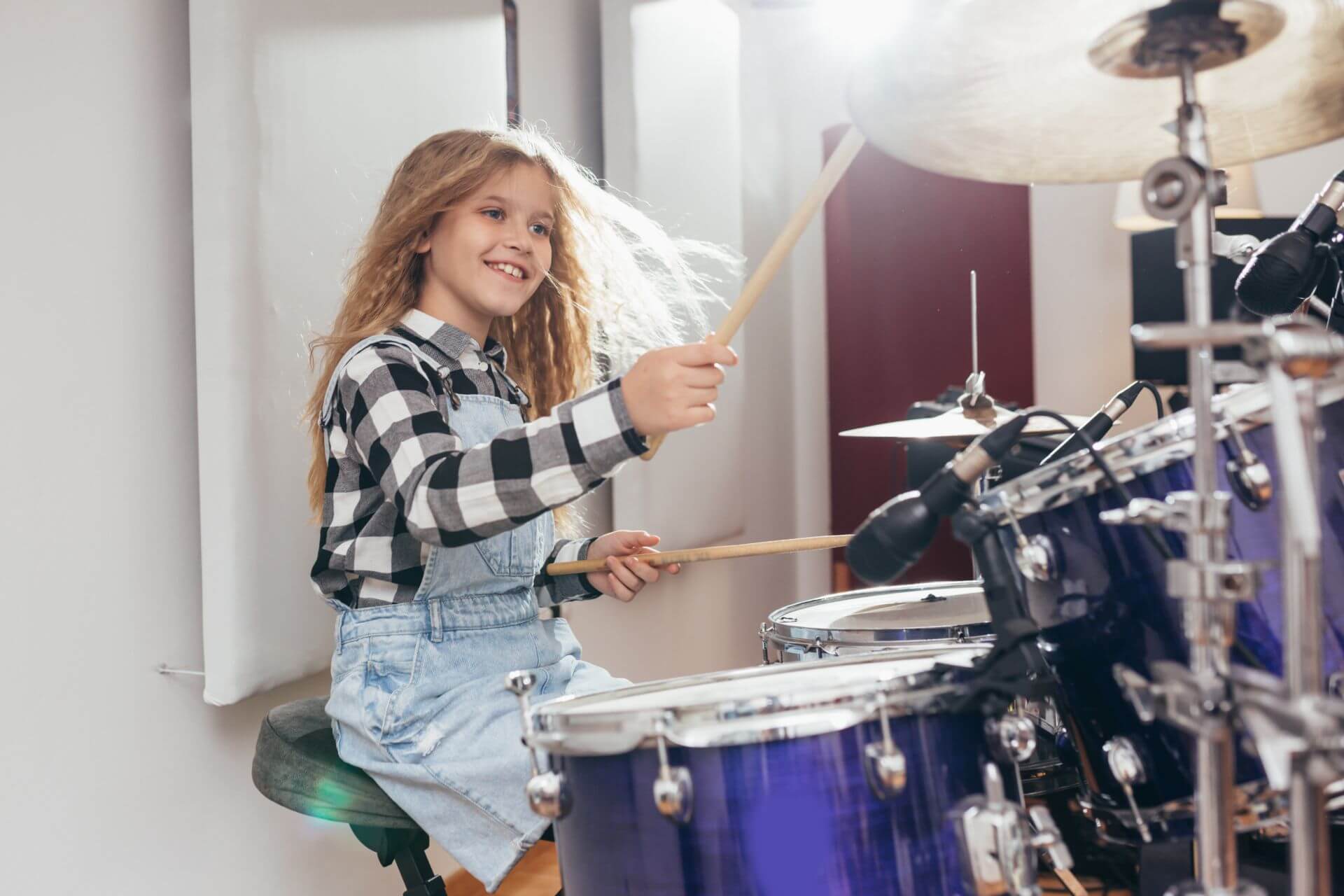
Summer hits, school is out, and kids finally have free time. That can be great for rest and fun, but without a routine, new drum skills can fade fast. The good news is that kids do not need long, serious practice sessions to keep growing. Just 10 focused minutes a day can keep their hands, ears, and confidence in great shape.

In this guide, we are sharing a simple summer blueprint for beginner drummers: quick warmups, easy stick control games, and a four-week skill tracker parents can use at home. It is kid-friendly, fun, and realistic for busy families. Parents get less screen time, more focus, and better coordination for their kids. Kids get to stay excited about drumming, so they feel ready for band class or drum lessons in Katy or nearby when school starts again.

At Music Academy of Texas, we work with families across Katy, Cinco Ranch, and Cy Fair, and we see how much progress students keep when they have a light but steady summer plan. Let us walk through how to make that happen in your home.

Why Short, Daily Drumming Wins Over Long Practice

For most kids, shorter practice works better than long, once-in-a-while practice. A 10 or 15 minute session fits into family life, feels doable, and is easier for a young brain to handle. Over time, those small blocks add up to strong habits.

Here is why short, daily practice is so powerful for beginners:

  • It keeps the basics fresh, like how to hold the sticks and where to place the hands

  • It builds a routine, so practice feels normal instead of a big event

  • It helps kids stay calm and focused instead of tired and frustrated

When kids stop playing for weeks, they can hit a kind of “summer slide.” Sticks feel strange again, timing gets shaky, and they forget how to count simple rhythms. Then they come back to lessons or school band and feel behind. A 10-minute daily warmup keeps those foundation skills awake, so the return to lessons feels smooth.

There is also a mental piece. When kids practice a little almost every day, they start to see themselves as real drummers. That identity can be a huge motivator. They walk into that first band rehearsal or into drum lessons in Katy, Cinco Ranch, or Cy Fair already feeling proud of the work they did at home.

The 10 Minute Daily Warmup Kids Will Actually Enjoy

Here is a simple, repeatable 10-minute routine you can use almost every day. All you need is a practice pad or even a firm pillow and a pair of sticks.

1) 2 minutes: Relaxed grip check and simple taps

Have your child:

  • Hold the sticks with curved fingers, not straight

  • Keep wrists loose, shoulders soft, and feet flat on the floor

  • Gently tap in the center of the pad or pillow, one hand at a time

Quick parent cues:

  • “Soft shoulders, tall back.”

  • “Hold the stick, do not squeeze it.”

  • “Bounce from the wrist, not the arm.”

2) 4 minutes: Slow quarter note and eighth note patterns

Set a metronome or use a slow play-along track. Start with a speed that feels comfortable.

  • First 2 minutes: Play steady quarter notes, saying “1 2 3 4” out loud

  • Next 2 minutes: Play eighth notes, saying “1 and 2 and 3 and 4 and”

If counting out loud is hard, kids can tap their foot on the beat and just say the numbers.

3) 4 minutes: Call-and-response rhythms

You can clap or tap a short rhythm and have your child copy it. Or use a simple drum track and ask your child to copy the pattern they hear. Keep the patterns short, like 1 or 2 measures.

To keep this warmup fun:

  • Use a favorite song as background, but keep the drumming simple

  • Set a timer so your child knows it really is only 10 minutes

  • Use a sticker chart, marbles in a jar, or other small reward to mark each day

Good form matters even in short practice. Watch for slouching, stiff neck, or very tense fingers. Gently remind your child to relax and breathe. If something hurts, it is time to stop, shake it out, and reset.

Stick Control Games That Feel Like Playing, Not Practice

Games are the secret to building solid drum skills without it feeling like work. Here are a few favorites you can do at a table, on a practice pad, or on a drum:

1) Right Left Switch

  • Tap right, left, right, left in a steady pattern

  • Say “right, left, right, left” out loud

  • Switch starting hands: left, right, left, right

This helps coordination and makes both hands strong. You can speed it up slowly as it gets easier.

2) Rhythm Detective

  • You tap or clap a short rhythm

  • Your child listens, then copies it exactly

  • Start simple, then add rests or longer patterns

This game trains listening, timing, and memory. No musical background needed, just make a pattern and see if they can match it.

3) Volume Roller Coaster

  • Start very soft, then get louder and louder, then softer again

  • Say “soft, medium, loud, medium, soft” as you go

  • Try with both hands together, then with one hand at a time

This builds dynamic control and helps kids learn to listen to their own sound.

To make these games social:

  • Have siblings or friends take turns making patterns

  • Do mini “drum-offs,” where each person plays a rhythm, and others copy

  • Let kids be the “teacher” and lead the game for the group

Parents do not need drum experience to help. Your main jobs are to keep it playful, keep a steady beat as best you can, and cheer for effort.

Your 4 Week Summer Drumming Skill Tracker

A simple tracker makes progress visible, which kids love. Use a piece of paper or a whiteboard and draw a four-week calendar. Each day has a space for:

  • 10-minute warmup done

  • Stick-control game played

  • Quick note like “great counting” or “extra smooth today”

Try this focus for each week:

  • Week 1: Grip and steady beat

Focus on how the sticks are held, relaxed posture, and playing quarter notes while counting out loud.

  • Week 2: Alternating hands and basic rhythms

Add more right left patterns and mix quarter notes and eighth notes.

  • Week 3: Different surfaces

If you have a drum set, move between snare and hi-hat. On a pad, pretend different spots are different drums and move around.

  • Week 4: Drum show on a favorite song

Choose one song your child likes. Use all the skills from the month to create a simple part: steady beat, some right left switching, and changes in volume.

At the end of each week, take a few minutes to celebrate:

  • Have a short “living room concert” for family

  • Record a quick video of their new rhythm to share with relatives

  • Give a small reward when they complete all four weeks on the chart

By the end of the month, kids see their own hard work in writing, which can be a big boost.

Level Up with Support From Local Drum Teachers

When a child keeps up a light routine like this over the summer, they walk into their next lesson in a much better place. They remember how to count, they feel comfortable with their sticks, and they are used to focusing for at least 10 minutes at a time. That makes it easier for a teacher to build new skills on top.

At Music Academy of Texas, we help beginner and advancing drummers in Katy, Cinco Ranch, and Cy Fair through one-on-one drum lessons designed around each student, and a simple summer plan like this fits very well with what we do in the lesson room and gives kids a strong head start when they begin or continue formal study.

Start Your Drum Journey With Confidence Today

If you are ready to build solid skills behind the kit, our structured drum lessons in Katy are designed to help you progress with clear goals and personal guidance. At Music Academy of Texas, we tailor each lesson to your musical interests so practice feels motivating and productive. Whether you are brand new to drums or looking to refine your technique, we will meet you at your current level and help you move forward. Have questions or want to schedule your first lesson? Simply contact us to get started.