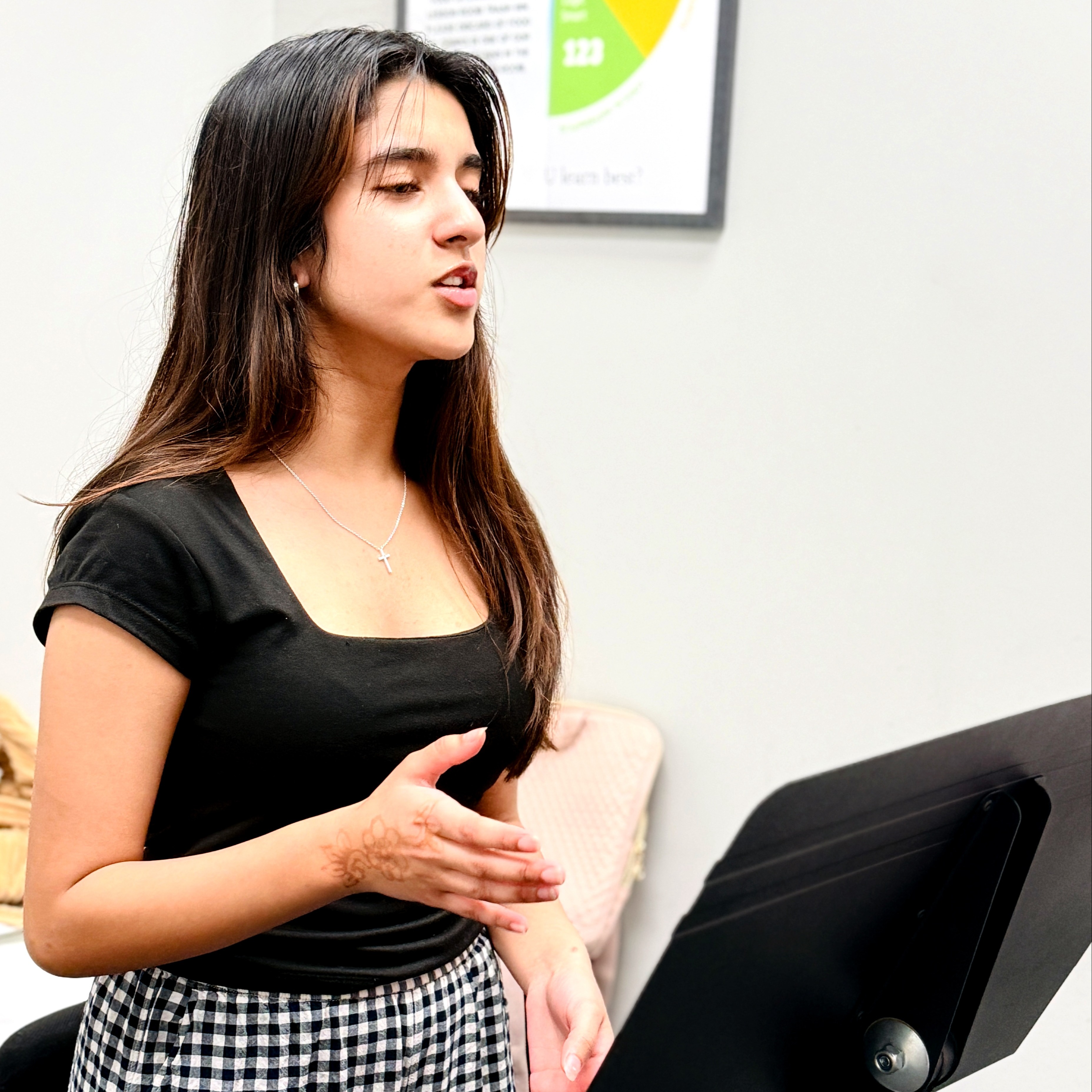
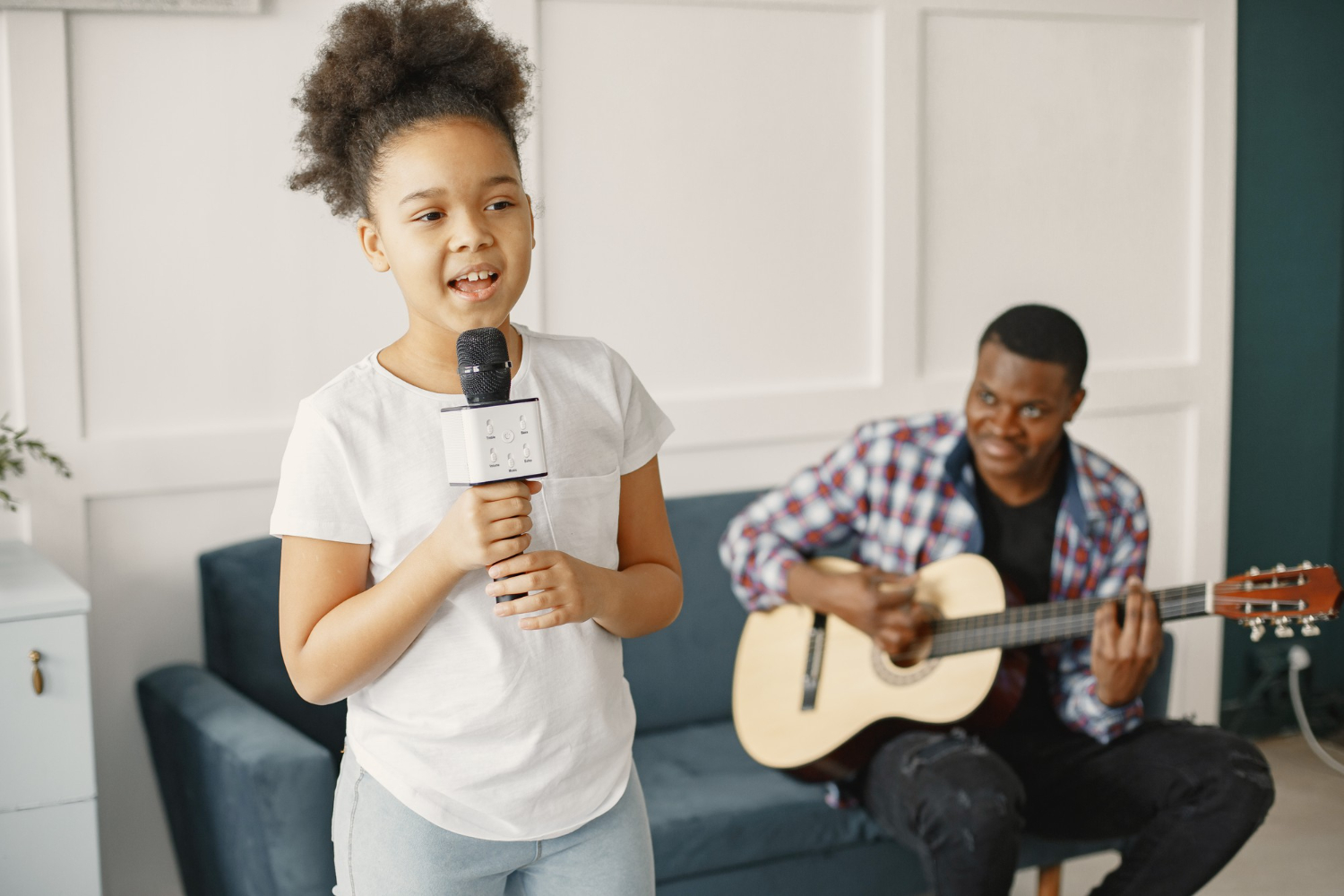
Vocal singing lessons are becoming a big part of kids' activity lists around Katy, Cinco Ranch, and the greater Houston area, especially as families start planning for spring and summer. Choir concerts, theater auditions, worship teams, talent shows, and social media all make singing feel more visible than ever. So it makes sense that many kids say, "I want voice lessons!"
Many parents think vocal lessons are simply about singing higher, louder, or on key. That is part of it, of course, but it is not the whole story. When voice lessons are done well, they shape the way a child thinks, feels, and carries themselves in daily life.
The right vocal training can support confidence, communication skills, emotional health, and long-term character. These are the parts that are often easy to miss, because they grow quietly over time. Our goal as a music school is to help families in our community see and unlock these deeper benefits in a warm, state-of-the-art learning environment.
Beyond a Nice Voice: The Hidden Skills Kids Develop
Vocal singing lessons are like a weekly workout for your child's brain and heart, not just their voice. While they are learning scales or their favorite song, they are also learning how to stick with something that is challenging.
Through regular lessons, students naturally build:
- Focus, by paying attention to breathing, lyrics, and rhythm at the same time
- Discipline, by showing up each week and practicing between lessons
- Resilience, by trying again when a note or phrase is hard
- Time management, by fitting practice into busy schedules with school and sports
During spring, when schedules get packed with games, tests, and events, this structure can actually help kids feel more grounded. They learn how to plan their time instead of always feeling behind.
Performance preparation adds another layer. When a student prepares for a recital or audition, they practice how to:
- Set clear, small goals
- Accept feedback kindly and use it to get better
- Work through nerves in a healthy way instead of avoiding challenges
Singing also opens a door to emotional growth. Songs often touch on big feelings: joy, sadness, worry, hope. Giving a child a safe space to express those feelings with their voice can:
- Encourage healthy self-expression
- Grow empathy, by connecting to the emotions in lyrics
- Help them process stress instead of bottling it up
For many kids and teens, voice lessons become a positive outlet where they can release the day and feel heard.
Confidence on Stage and in Everyday Life
Confidence through vocal singing lessons usually grows in small, steady steps, not in one big leap. A shy student might start by quietly humming in the lesson room. Over time, as they work with a kind teacher, they begin to trust their own sound.
This looks like:
- First, singing one short phrase clearly
- Then, singing a whole song in front of the teacher
- Later, sharing a piece in front of a small group or class
- Finally, choosing to perform in a recital or showcase
Each "yes, I did it" moment helps rewire what a child believes about themselves. They start to think, "If I can do this scary thing, maybe I can do that other hard thing too." That new belief travels with them into school presentations, group projects, sports, and even how they speak up with friends or online.
A supportive performance culture is a big part of this confidence. When performances are treated as celebrations of growth, instead of tests of perfection, kids learn that:
- Mistakes are normal
- Effort matters more than being flawless
- Each performance is a step forward, not a final judgment
With this mindset, the stage becomes a training ground for real life, not a source of fear.
What Quality Vocal Instruction Really Looks Like
Not all vocal singing lessons are the same. Singing along to songs is fun, but quality instruction pays close attention to how a student uses their body and voice.
Signs of strong vocal teaching include:
- Healthy technique, with focus on safe sound production
- Attention to posture and relaxed alignment
- Proper breathing habits, using deep, steady breaths
- Protecting young voices from strain or pushing too hard
There is also a big difference between "just singing songs" and structured vocal training. A thoughtful lesson usually includes:
- Gentle warm-ups to wake up the voice
- Ear training to help students match pitch and stay in tune
- Music literacy, such as basic rhythm and note reading
- Style exploration, for example, pop, musical theater, worship, or classical
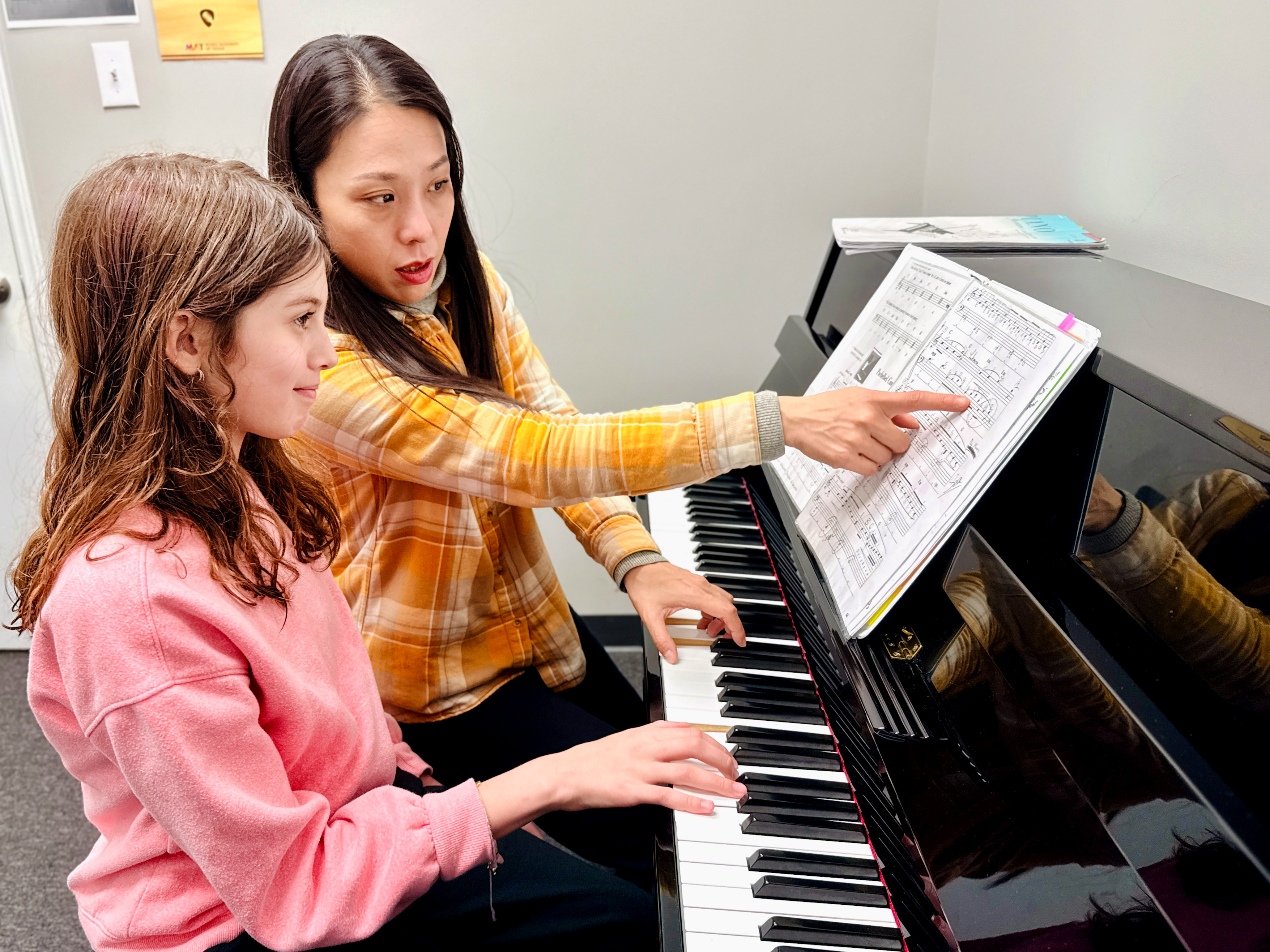
This structure gives students tools they can use in any musical setting as they grow. At our music school, we place strong value on who teaches your child. Vocal teachers are selected for both skill and character, so they can guide students with patience and clear standards. One-on-one instruction lets us match the lesson to each learning style, personality, and personal goal.
Matching Vocal Lessons to Your Child's Personality
A helpful question for parents is not "Can my child sing?" but "What does my child need right now?" Voice lessons can support many different needs:
- A quiet child may need a safe place to speak up
- An energetic child may need a focused outlet
- A perfectionist may need help relaxing and enjoying the process
- A sensitive child may need gentle guidance and reassurance
Parents can think about lesson goals in a few ways:
- Performance-focused, for kids who love the spotlight and want stages, auditions, or exams
- Hobby-focused, for kids who simply love music and want a creative space each week
- Growth-focused, where the main goal is confidence, expression, or structure
It is also healthy to be careful about pressure. When parents push too hard for results, kids can start to fear mistakes and lose the joy of singing. A better path is to set shared goals with your child and keep checking in.
In our lessons, we pay close attention to temperament. We look at who is shy, who is bold, who is highly sensitive, and who gets frustrated easily. Then we pair students with teachers who are a good fit and shape lesson plans that match how each student learns best.
From Practice Battles to Positive Home Routines
One big piece many parents overlook is their role in practice. Home life can speed up progress or shut it down. Practice does not need to be long or stressful to be helpful.
For busy Katy and Cinco Ranch families, simple systems work best:
- Short practice blocks, even 10 focused minutes, most days
- A regular time, such as right after homework or before dinner
- A mix of assigned songs and a favorite pop song for fun
- Small celebrations for effort, like a kind word or a high-five
The goal is to make practice feel like a normal, positive part of the day, not a daily argument. When kids know what is expected and feel supported, they are more likely to stick with it.
At our school, we stay in communication with parents so everyone knows what the student is working on. We share practice ideas, clear goals, and honest updates. That way, home and lesson room work together, and kids feel like they have a whole team cheering them on.
Unlock Your Best Voice With Professional Coaching
If you are ready to build confidence and improve your sound, our tailored vocal singing lessons can help you reach your goals faster. At Music Academy of Texas, we design each session around your unique range, style, and experience level so you can make real, measurable progress.
Tell us what you want to achieve and we will create a clear path to get you there. Have questions about scheduling or pricing, or want to talk through your options first? Just contact us and we will follow up with details.