How to Choose Music Lessons in Katy with Confidence
Choosing music lessons in Katy can feel like a lot, especially in late spring. Sports schedules are shifting, camps are filling up, and you want to lock in a good spot before fall gets busy again. On top of that, you are trying to guess which teacher and school will actually be a good fit for your child.
This choice matters. The right teacher and setting can light up your child’s face every time they sit at the piano or pick up a guitar. The wrong fit can lead to tears, battles over practice, and quitting after a few months. We want to help you avoid that.
In this guide, we will walk through common mistakes parents make when comparing music lessons in Katy and how to steer around them. With a clear way to think about it, you can move from stressed and unsure to calm and confident about where your child will learn.
Looking Beyond Price to True Value
When families compare music lessons in Katy, many start by lining up tuition numbers. That is understandable, but focusing only on price can hide what your child really gets in the lesson room.
Lower cost can sometimes mean things like:
-
Shorter lessons that feel rushed
-
Large group formats when your child needs one-on-one attention
-
Outdated or worn-out instruments and materials
-
Inconsistent teachers who come and go
What you really want to look at is the total learning experience. For example, ask yourself if a school offers:
-
Personalized one-on-one lessons that match your child’s pace
-
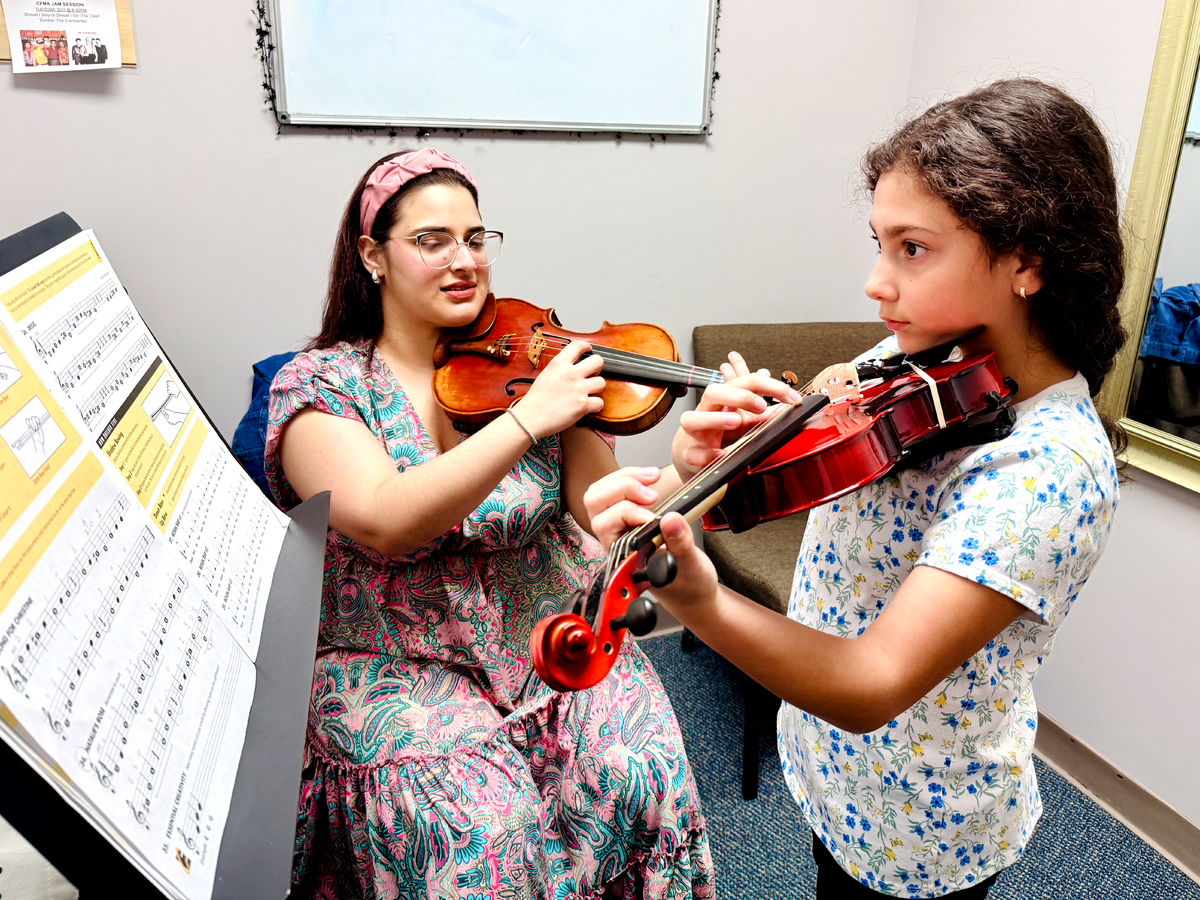
Teachers who are trained musicians and know how to work with kids
-
A clean, organized space with quality pianos and other instruments
-
Flexible scheduling and clear communication with parents
A helpful way to compare schools is to ask the same questions at each place, such as:
-
How do you track my child’s progress over time?
-
What training and background do your teachers have?
-
How do you help students stay motivated when practice gets hard?
-
Do you have regular performance or recital opportunities?
When you listen to the answers, you will start to see who is focused only on filling time and who is thinking about your child’s full musical growth.
Why Teacher Training and Student Fit Matter so Much
Parents often say, “We just want a nice teacher.” Kindness is very important, but it is not the whole story. A strong music teacher needs both a musical background and the skill to explain things in a way kids can understand.
A good match will look different for different kids. For example:
-
A shy beginner might need a gentle, patient teacher who moves slowly and celebrates tiny wins.
-
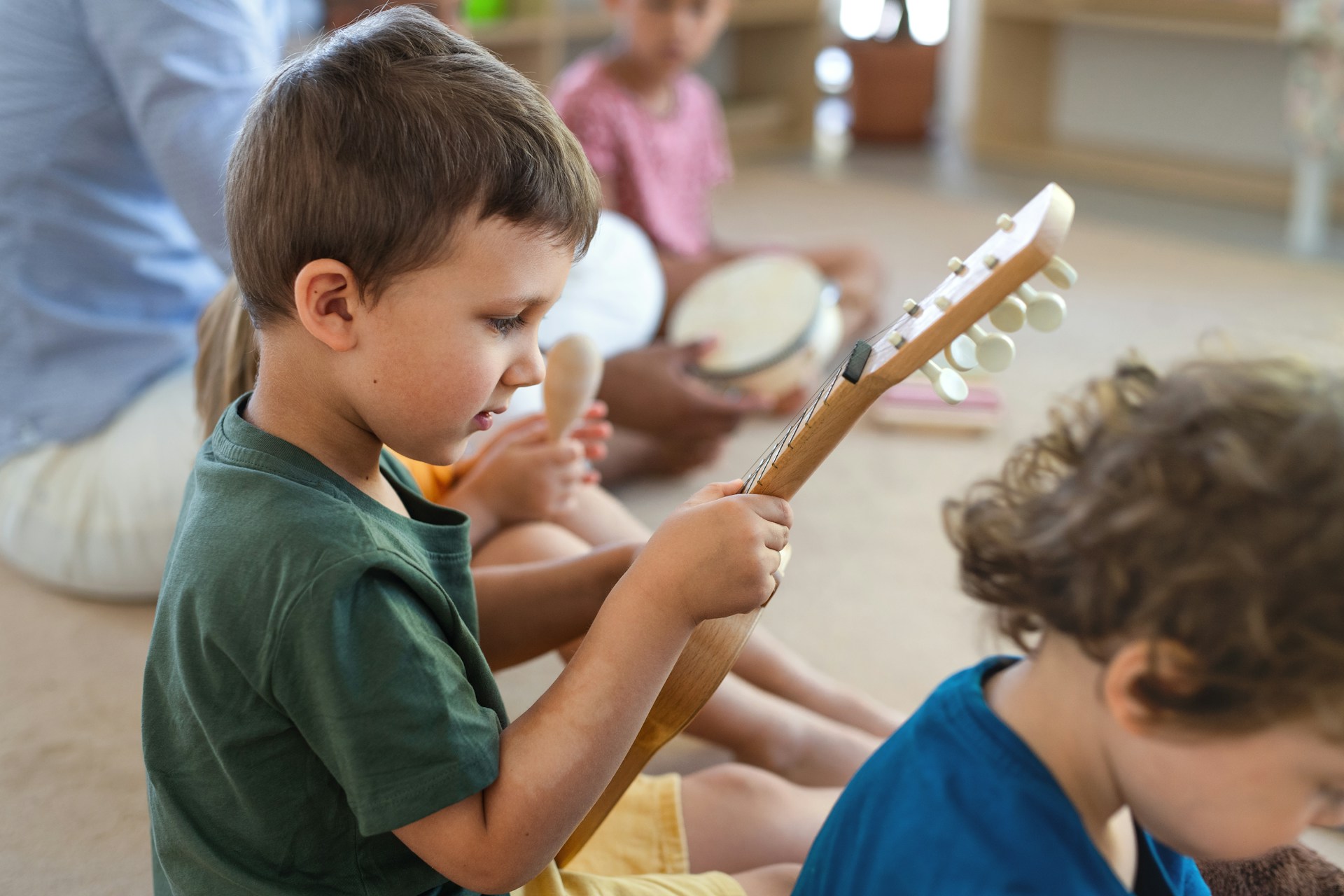
An energetic elementary student might need someone upbeat who adds games and movement to the lesson.
-
A serious teen might need a teacher who can challenge them with advanced music, help with auditions, and give honest feedback.
When a school cares about fit, they will ask questions about your child’s age, personality, past experience, and goals. They will not treat every student the same.
Stability is another big piece. Long-term relationships between student and teacher build trust. Over time, the teacher learns how your child thinks and learns, and your child feels safe trying hard things and making mistakes. When you tour or call, you can ask:
-
How long do teachers usually stay at your school?
-
What happens if my child’s teacher ever needs to change?
-
How do you make sure that transition is smooth for the student?
These answers will tell you a lot about whether the school thinks about quick sign-ups or long-term growth.
Paying Attention to Environment, Culture, and Long-Term Growth
Music lessons are not only about what happens in that one room for 30 minutes. Kids notice everything when they walk into a school: the faces at the front desk, the sound in the halls, the way other students are treated.
Look for an environment where:
-
The staff greets families warmly and knows students by name
-
The space is clean and feels safe
-
Instruments are in good condition and tuned
-
The front desk is organized and respects your time
Culture is just as important as the physical space. A healthy culture helps children feel safe trying new things, missing a note, and learning from it. When kids sense that mistakes are normal, not shameful, they gain the courage to perform for others when they are ready.
Spring and early summer are a key time to think about rhythm across the whole year. You want a school that offers:
• Structured summer lessons, not just a “see you in the fall” attitude
• Recitals, festivals, or sharing days that give kids goals
• Support during busy back-to-school season so lessons stay consistent
Another mistake parents make is choosing only by what is closest or what slot is open this week. Of course, location and schedule matter, especially in the Katy and Cy-Fair areas where traffic is real. But if you focus only on convenience, you might miss:
• A teacher who would challenge and inspire your child
• A program that offers more instruments if your child’s interests change
• Chances to grow into advanced study, ensembles, or auditions later on
Try asking each school:
• How can you support my child as they move from beginner to more advanced levels?
• If my child wants to try another instrument, is that possible here?
• Do you have opportunities for more serious study if my child falls in love with music?
You are not only planning for this summer. You are building a path that could support your child for years.
Seeing Music as Whole-Child Growth, Not Just an Activity
One of the biggest mistakes is treating music lessons like just another box to check, like “soccer on Tuesday, piano on Thursday.” Music study can be so much more than that.
Regular lessons can help kids:
-
Build confidence as they see themselves master new songs
-
Develop discipline as they show up and practice, even on busy days
-
Express feelings they may not have words for
-
Find a healthy way to handle stress during school and transition times
Performance is a big part of this. Recitals and other sharing events teach kids how to set a goal, work toward a date, handle nerves, and still step on stage. These are skills that carry into school, sports, and life.
It also helps when the school works with you as a parent. Clear communication can look like:
-
Simple practice expectations that fit your family’s routine
-
Regular updates about what your child is learning
-
Teachers who listen to your family’s values and long-term goals
At Music Academy of Texas, our Katy and Cy-Fair teams care deeply about this bigger picture. We focus on life transformation through music, not just checking off songs in a book. When parents in our community take time to look past the quick comparisons and avoid the common mistakes above, they are much more likely to choose music lessons in Katy that help their children grow not only as musicians, but as confident, creative people.
Start Your Musical Journey With Confidence Today
If you are ready to see your child grow in skill, confidence, and creativity, our tailored music lessons in Katy are a great next step. At Music Academy of Texas, we match students with experienced instructors who know how to make learning both structured and enjoyable. Have questions about scheduling or the right program for your goals? Just contact us and we will help you get started.