Help Your Young Singer Love Their Voice for Years to Come
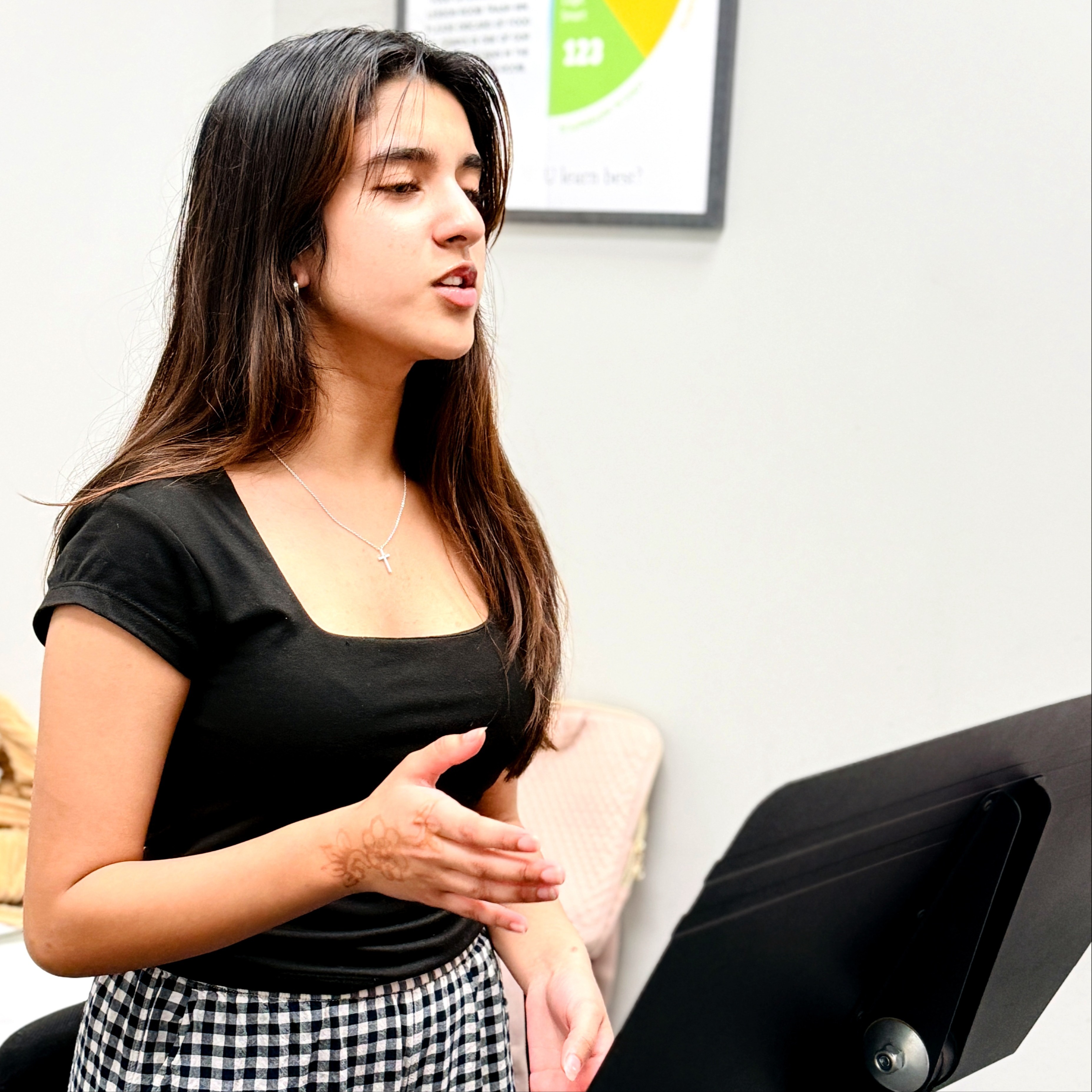
When a child starts singing around the house or lights up in choir, it feels exciting. Spring concerts, school musicals, and church events pop up on the calendar, and suddenly their voice feels like a big part of family life. It is natural to want to support that new passion as much as possible.
Voice lessons in Katy can be a huge confidence boost during this busy spring season. Kids stand taller, speak more clearly, and feel proud when they hear their own progress. But even well meaning parents can sometimes make small mistakes that slow that progress or make singing feel stressful instead of fun.
We work with many families in the Katy and Cinco Ranch area, and we see the same patterns again and again. With a few small changes at home, you can help your child enjoy singing for a long time, not just one recital. Let us walk through some common missteps and kinder, more helpful ways to support your young singer.
Avoiding the “Too Much, Too Soon” Trap
When kids get excited about singing, parents often jump in full speed. Long practice sessions, extra lessons, back to back rehearsals at school and at home, and suddenly that young voice never rests. During a busy spring full of pollen, tests, and events, this can be rough on a developing voice.
Young voices do not need marathon practice. In fact, long, tiring sessions can make the throat feel tight or scratchy and can build bad habits. Short, focused practice is almost always better than long, unfocused time.
It also helps to remember that children and teens should not try to sound like adult pop stars right away. Those big belt notes and extreme high or low parts that you hear on the radio often come from singers with years of training. Pushing for that sound too soon can:
- Strain the voice
- Make the child feel like they are failing
- Turn fun songs into stressful “tests”
A safer, kinder path is to set simple, steady goals. Maybe the goal this month is a smooth transition between chest voice and head voice, or learning to breathe without raising the shoulders. Your child’s teacher at Music Academy of Texas can shape a plan that fits your child’s age, body, and schedule so growth feels natural and long lasting.
Turning Practice From a Battle Into a Routine
Many parents say the same thing: practice is the hard part. The lesson is fun, but practice at home turns into eye rolls, arguing, or last minute rushing right before a recital.
Instead of making practice a big event, we suggest turning it into a small daily ritual. Ten to fifteen minutes at a regular time can work wonders. After homework, before screen time, or right after dinner are common spots that fit well into family life.
Support feels very different from pressure. Pressure sounds like, “You have to get this right,” or “You never practice enough.” Support sounds more like:
- “Let us listen to your warm ups together.”
- “Want me to play the track for you?”
- “I love hearing your song while I cook.”
To keep things engaging at home, you can try:
- Simple practice charts on the fridge with stickers
- Backing tracks so songs feel more like a performance
- Tiny family “mini concerts” a week or two before a spring recital
When practice feels safe and relaxed, kids make more progress, and they are more likely to keep singing as they grow.
Choosing the Right Songs, Not Just the Popular Ones
We all know the feeling of hearing a catchy new hit and thinking, “That is what my child should sing!” Popular songs are fun, but not every hit fits every voice, especially young voices. Some songs sit very high or very low, or they stay on big, loud notes for a long time. That can be hard on a beginner.
A good voice teacher looks at:
- Your child’s current range
- Their speaking voice
- Their stage experience and confidence
Then the teacher picks songs that fit their body and level. Sometimes that means a lighter pop tune, a musical theater song, a simple folk song, or a kid friendly version of a hit. The goal is to give your singer music where they can sound good now and still grow.
A smart mix might look like this: one or two favorite songs your child begs to sing, plus one song that builds specific technique. Over time, that “technique” song helps them sing their favorites with more control and less strain, which feels great.
As spring recitals, talent shows, and auditions come up, it really helps to plan early with your teacher. Talk about what events are coming and what your child wants to try. That way, song choices can support both vocal health and a confident performance on stage.
Partnering with Your Teacher Instead of Playing Vocal Coach
Many Katy parents are musical themselves, sing along in the car, or grew up in choir. That musical background is a gift, but it can be tempting to jump in with lots of corrections at home. When a child hears one set of rules from the teacher and a different set from a parent, they can get confused and tense.
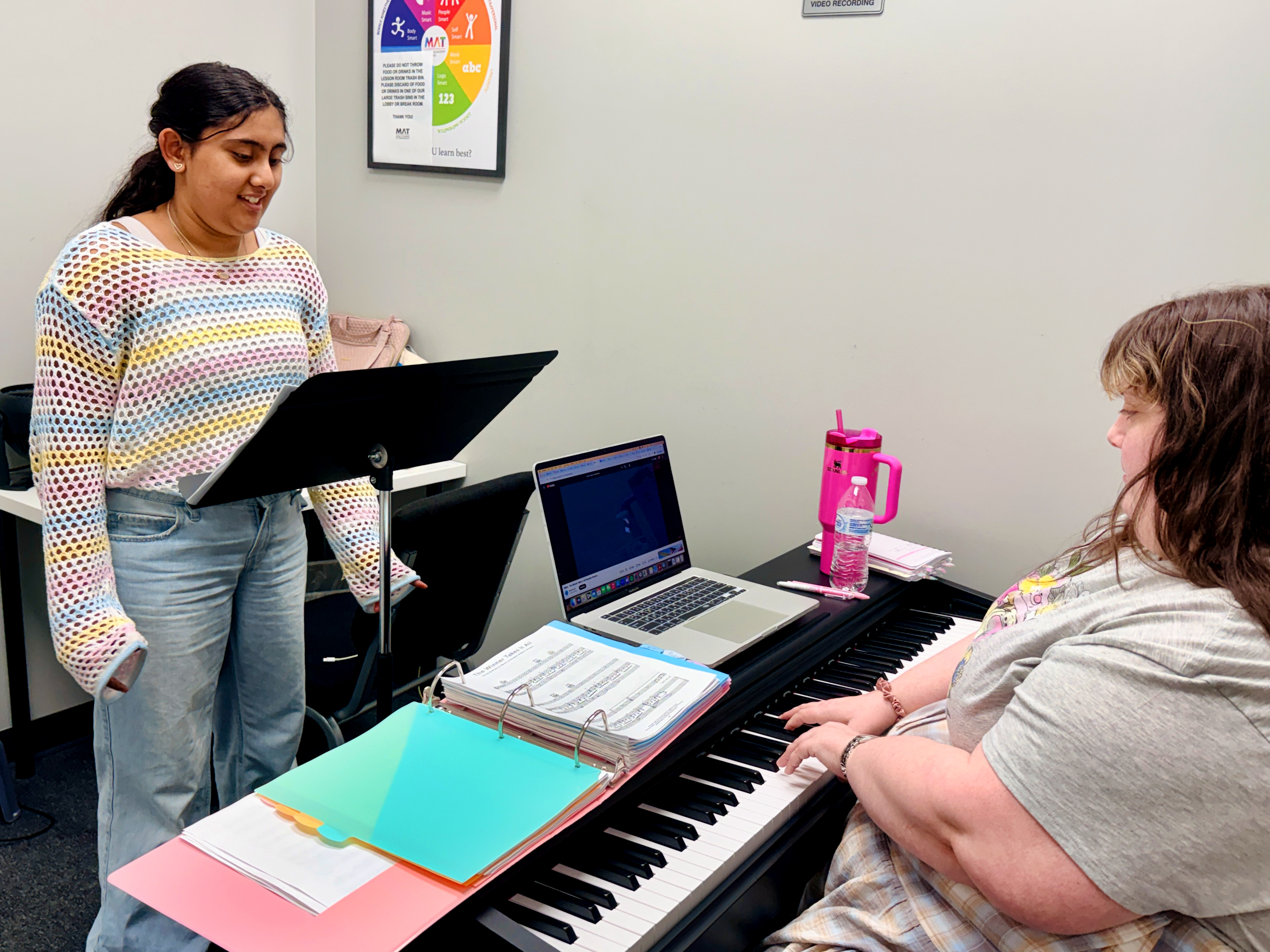
We always suggest letting the voice teacher lead when it comes to technique. You can still be very involved, just in a different way. Ask the teacher how you can support practice at home, what words to use, and what to listen for. That way, your child hears the same ideas from both places.
Communication is a big help here. Let your teacher know if your child wants to audition for choir, musical theater, or a worship team. Mention if allergies are acting up or if your singer complains about a tired throat. The teacher can adjust warm ups, song keys, and practice plans around what is going on.
When home and studio feel like one united team, kids feel safe to take risks, try new things, and grow. Celebrating small wins, showing up to recitals, and speaking kindly about practice all send the message that singing is something you are proud to support.
Helping Your Child’s Voice Flourish This Spring and Beyond
As we guide families through voice lessons in Katy, we see the same avoidable patterns again and again. Parents push too fast, practice turns into a power struggle, song choices are more about trends than health, and coaching at home starts to compete with the teacher’s guidance. Adjusting these areas can change everything.
When you focus on steady growth instead of instant big notes, practice rituals instead of arguments, healthy songs instead of just popular ones, and partnership with your teacher instead of coaching over them, your child’s voice has room to grow in a happy, healthy way.
At Music Academy of Texas, we want every young singer in Katy and Cinco Ranch to feel proud, safe, and excited about using their voice, not only for this spring’s performances, but for many seasons to come. Voice lessons in Katy work best when the studio, the parent, and the student all pull in the same direction. With kind support and thoughtful choices, your child’s voice can stay something they love, not something they fear, for years ahead.
Start Growing Your Voice With Expert Guidance Today
If you're ready to build confidence, control, and a sound you love, our tailored voice lessons in Katy can help you get there. At the Music Academy of Texas, we focus on practical techniques that fit your goals, whether you want to perform on stage or simply sing with more ease. We welcome singers of all levels and ages, and we make getting started simple. Have questions or want to schedule your first lesson? Contact us to take the next step.