Turn Practice Plateaus Into Musical Breakthroughs
Getting stuck in music practice feels frustrating. One week things click, the next week it feels like nothing is getting better, no matter how often your child sits at the piano or picks up the guitar. That stuck feeling is what many musicians call a practice plateau, and it happens to beginners and advanced students alike.
A practice plateau is when progress slows down or seems to stop, even though the student is still trying. Fingers feel clumsy, songs do not sound any cleaner, and practice can start to feel like a chore. The good news is that this phase is normal. It is usually temporary, and it often means the student is actually ready to grow to the next level.
Here in Katy and Houston, spring is a natural reset point. School is in full swing, recitals are on the horizon, and families are starting to think ahead toward summer. This is a great time to refresh practice habits and use music lessons in Katy to turn that plateau into a real breakthrough.
Why Plateaus Happen and What They Really Mean
Practice plateaus have many causes, but they usually share one thing: the student has outgrown their current approach. Some common reasons include:
-
Playing the same pieces every day without changing anything
-
Practicing on “autopilot” while thinking about something else
-
Not having clear, short-term goals for each week
-
Feeling worn out from school, homework, sports, or family activities
Instead of seeing a plateau as failure, it helps to see it as a sign of progress. The old habits and easy pieces are no longer enough. The student is ready for new tools, new music, or a fresh way to practice.
Age and stage matter too. Young beginners may hit a plateau when the songs get harder and require more focus. Busy teens may feel stuck when their schedule gets packed and practice time shrinks. Adult learners often plateau when they feel shy about making mistakes or compare themselves to others.
In good one-on-one lessons, instructors watch for early signs of a plateau, like:
-
Less excitement about favorite songs
-
Repeating the same mistakes for several weeks
-
Rushing through pieces without listening to the sound
When teachers notice these things, they can adjust lesson plans to match the student’s learning style, personality, and musical interests, instead of pushing the same routine week after week.
Smart Practice Strategies That Restart Progress
One of the best ways to move through a plateau is to switch from “automatic” practice to “deliberate” practice. Deliberate practice means having a clear goal for each short practice session, then working toward that one goal with full attention.
Some simple, friendly ways to do that at home include:
-
Slow practice with a metronome to clean up rhythm
-
Practicing tiny sections, like 2 or 4 measures at a time
-
Recording short video clips and watching them together
-
Mixing “fun” pieces the student loves with one “challenge” piece
Instead of playing a song straight through ten times, the student might focus on one tricky left-hand pattern or one high note in a vocal line. When that one small part improves, they feel a quick win, which helps restart momentum.
For busy Katy households, time management is just as important as technique. Some helpful ideas:
-
Use 10- to 20-minute practice blocks, once or twice a day
-
Tie practice to a routine time, like right after snack or after homework
-
Keep a simple practice log with check marks and short notes
In lessons, strong teachers break skills into small, clear steps. For example, a piano song might go rhythm first, then notes, then dynamics and expression. A guitar riff might start with just the picking pattern, then add chords later. These steps let students feel progress every week, even when the change is subtle.
Motivation Boosters for Katy Students and Families
Motivation is not a straight line. It goes up and down, especially around school testing time, recitals, and the weeks before summer break. When motivation dips, it is easy for a plateau to feel like a wall.
Parents can help a lot, without adding pressure, by:
-
Asking which song was the most fun in this week’s lesson
-
Celebrating small wins, like smoother chord changes or stronger rhythm
-
Talking about effort and bravery instead of “perfect” playing
The goal is to keep music a positive part of the day, not another box to check. Rewards can help too, especially when they are tied to musical growth. Some ideas that work well:
-
A short “concert” for family or friends at home
-
Letting the student choose a new song to learn next
-
Setting a short-term goal before an upcoming studio recital or school event
When students feel seen and supported instead of judged, it is much easier for them to put in the effort needed to move past a rough week or two.
How Personalized Katy Lessons Break Through Stalls
Personalized, one-on-one music lessons in Katy make it easier to handle plateaus quickly. Because the teacher is focused on just one student, they can change the plan as soon as things start to feel stuck.
That might look like:
-
Switching genres for a while, such as from classical to pop or movie themes
-
Updating warm-ups to target a new skill, like finger strength or breath control
-
Adding new techniques, like simple improvisation, play-along tracks, or harmony parts
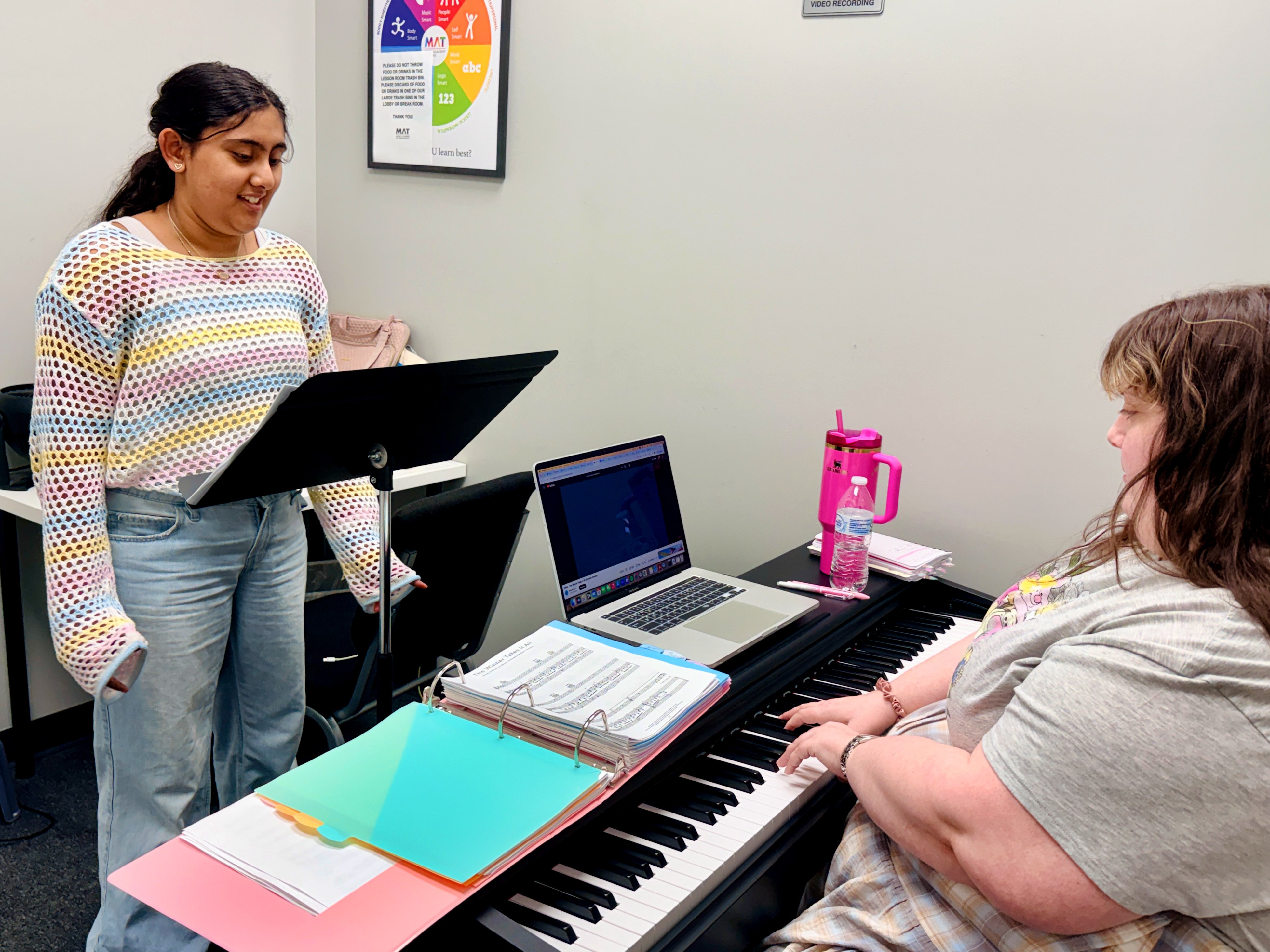
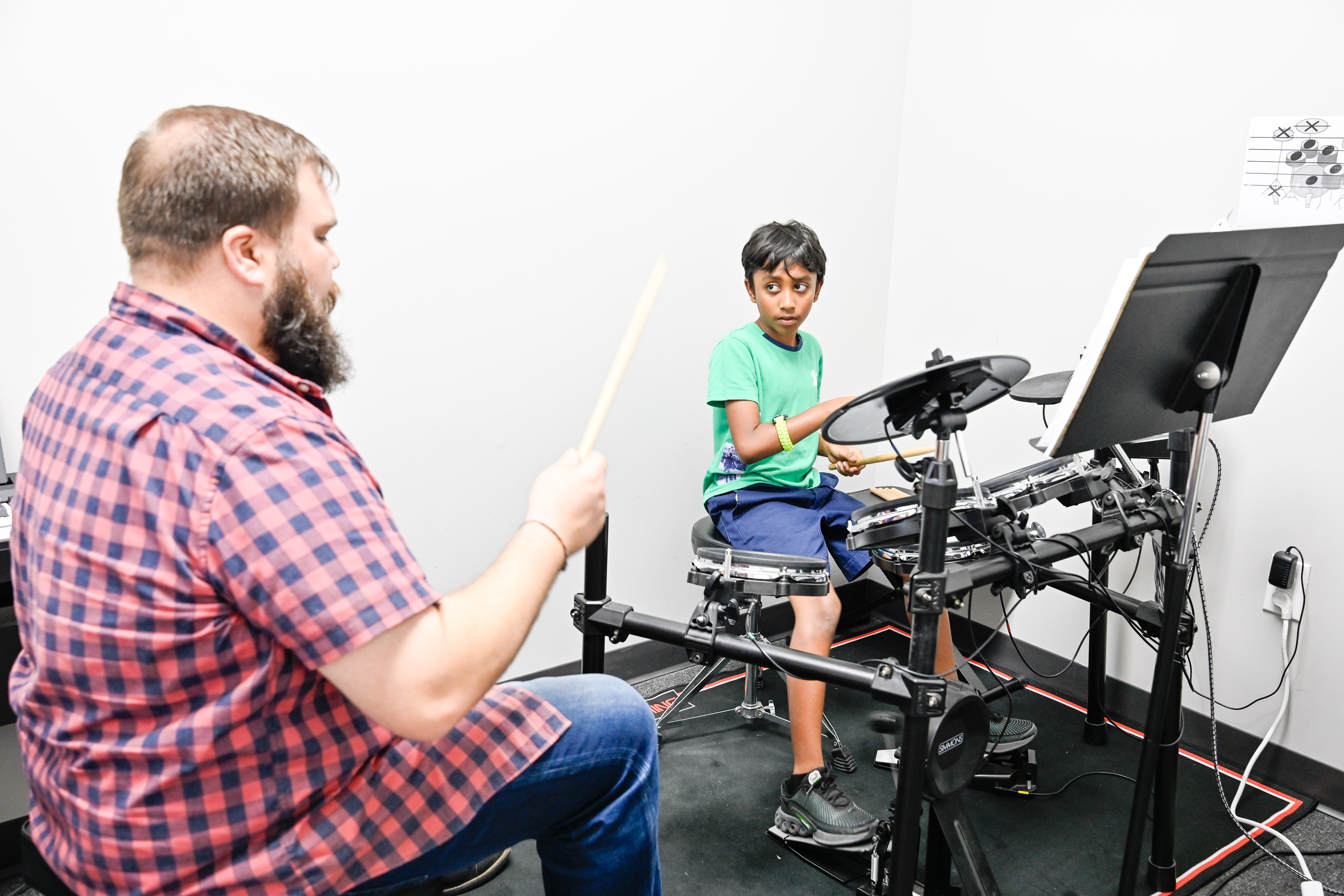
For a shy voice student, the teacher might spend some lessons working on favorite songs that build confidence. For a pianist who seems bored, bringing in improvisation or duet pieces can wake up creativity. For a drummer who feels stuck, playing along with tracks can make practice feel more like performing with a band.
Clear, shared goals between teacher, student, and parent make a big difference too. Goals might include:
-
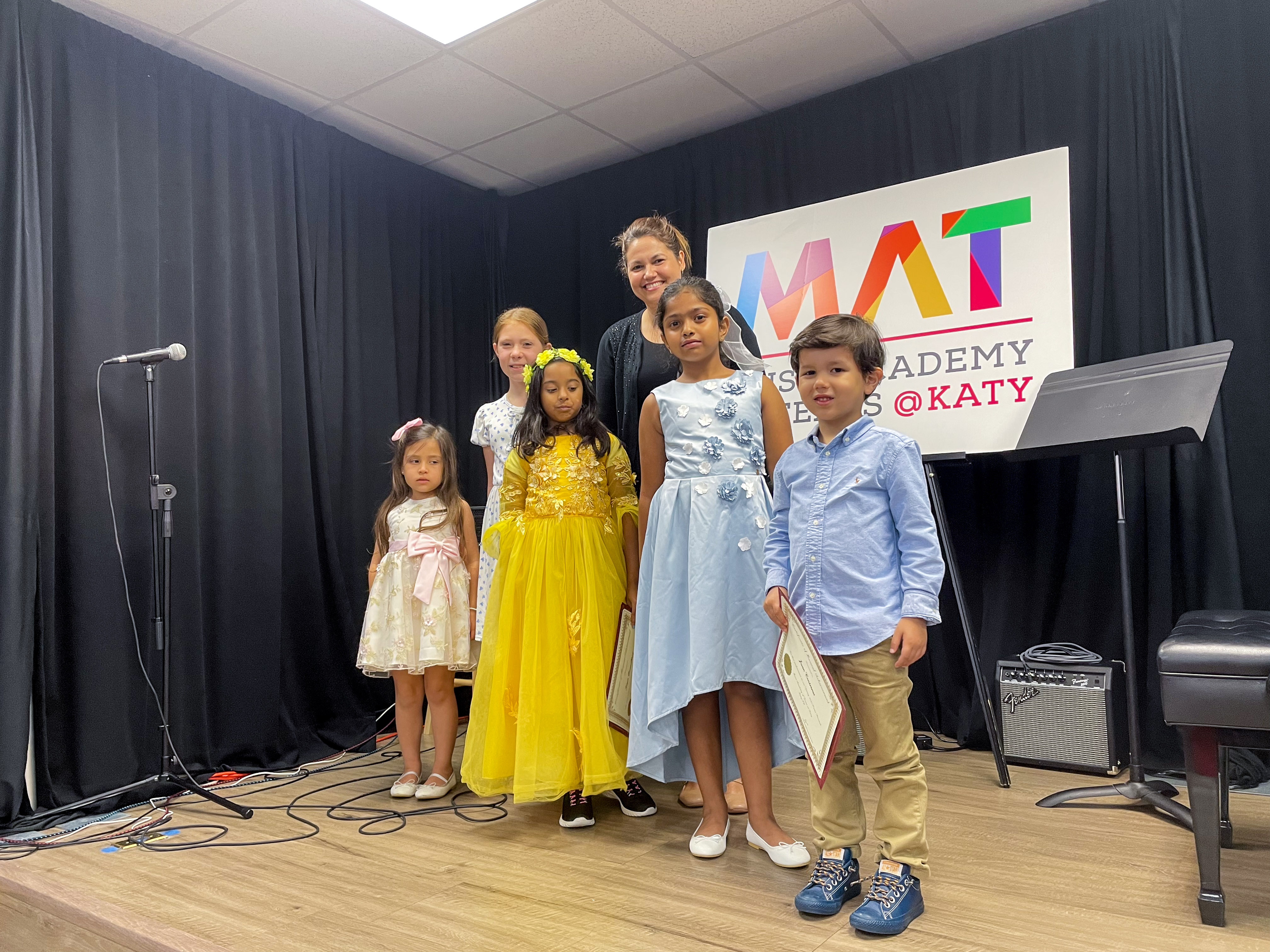
Preparing one polished piece for an upcoming recital
-
Learning a song for a school talent show
-
Getting ready for a summer performance or recording a simple video
A structured curriculum and a professional lesson environment also help students see their own growth. When they walk into a space that feels organized and focused on music, it sends the message that what they are doing matters, even when progress feels slow.
Make Your Next Lesson the Start of a Breakthrough
A practice plateau is not the end of the road. It is often a clear sign that the student is ready to grow, to stretch, and to learn in a deeper way. With thoughtful support, better practice habits, and the right kind of challenge, that flat feeling can turn into a proud “I did it” moment.
At Music Academy of Texas, we see plateaus as part of learning, not a problem to be ashamed of. When students and parents talk openly with the teacher about frustration, boredom, or anxiety, we can adjust quickly and make a new plan that feels exciting again. With patient guidance, structured music lessons in Katy, and a few smart changes at home, every student can move from stuck to strong, and keep building a lifetime love of music.
Start Your Child’s Musical Journey With Confidence
If you are ready to see your child grow in skill, confidence, and creativity, our tailored music lessons in Katy are a great next step. At Music Academy of Texas, we match students with experienced instructors who focus on practical progress and a positive learning experience. Reach out today to ask questions, discuss scheduling, or explore instrument options, or simply contact us to get started.