1 min read
From Interest to Enrollment: Parent Checklist for Music Lessons in Katy
Turn Musical Curiosity Into Confident First Steps Kids in Katy often show their love for music in small ways. They hum along in the car, drum on the...
5 min read
Music Academy of Texas : Updated on September 25, 2026
Starting drum lessons in Katy can feel exciting and scary at the same time. Many beginners worry, “What if I have no rhythm?” or “Am I too old to start?” Some parents also wonder if drums will be too loud or annoying at home. These feelings are normal, and they do not mean you will not succeed.
The first 30 days are not about being perfect. They are about getting comfortable, learning basic coordination, and building a simple routine you can actually keep. When you focus on small steps, you start to feel proud of real progress, even if your sticks still fly out of your hands sometimes.
Fall is a great time to begin. School is in session, routines are forming, and there is enough time before the holiday season for new habits to stick. In the next sections, we will walk through what to expect from your drum lessons in Katy in the first month: your gear and setup, what your lessons will feel like, an easy practice plan, and the first grooves you will probably play.
You do not need a giant drum kit in your living room to start learning. For many total beginners, the first month can be focused on:
A practice pad is a quiet rubber pad that feels a lot like a drum but does not fill the whole house with sound. It is perfect for early stick control, especially in apartments or shared homes. Some families and adults choose to start on a full acoustic kit, and others pick an electronic kit with headphones. All of these paths can work in the first month.
When students begin drum lessons in Katy, teachers can help guide choices like:
Stick size matters more than most beginners think. Younger kids often do better with lighter, thinner sticks so their hands do not get tired as fast. Teens and adults can use slightly thicker sticks that feel solid but still comfortable. A good grip is relaxed, not squeezed, with the stick resting between the thumb and first finger, and the other fingers wrapped loosely around.
At home, set up a simple practice spot:
Fall can get busy with school, sports, and band, so having a ready-to-go practice corner makes a big difference. If everything is already set up, it is much easier to squeeze in a quick 10 to 15 minutes between homework and evening plans.
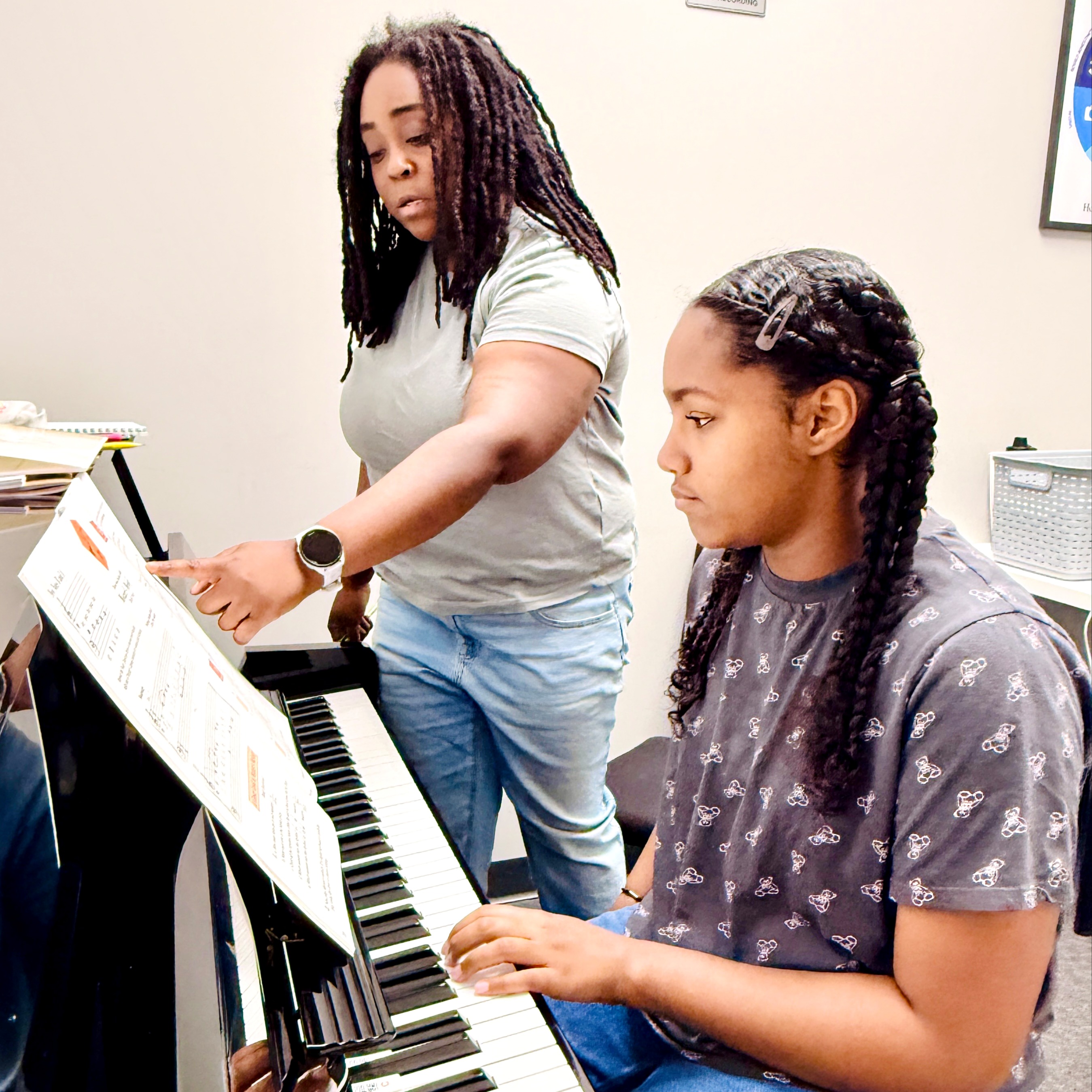
Walking into your first drum lesson in Katy can feel like the first day at a new school club. You might hear other students playing piano, guitar, or drums in nearby rooms. You are greeted, shown where to go, and then it is just you and your teacher in a relaxed, one-on-one setting.
In that first lesson, you can expect to cover basics like:
Your teacher will watch how your hands move, how you listen to the beat, and how you respond to simple directions. They will also ask what you want from drum lessons. Maybe you want to join school band, start a rock group with friends, play at church, or just enjoy your favorite songs at home. All of that shapes your plan.
Mistakes are totally normal in this stage. Sticks hit rims, patterns fall apart, and sometimes you lose the count. Good teachers do not expect perfection. They look for small wins, like holding the beat for a few seconds longer than last time, or keeping your hands relaxed.
We also like to connect even simple patterns to real music right away. It is more fun to play quarter notes along with a slow song than to only play on a silent pad. When students leave that first lesson feeling, “Hey, that actually sounded like music,” confidence starts to grow.
The best first-month practice plan is short and clear. For most beginners, especially during the school year, a good starting point is:
A simple structure might look like this:
Students and parents can work with the teacher to fit this plan into real life. For example, practice might be right after homework, right before video games, or before school on certain days. When the plan matches your actual routine, it is much easier to follow.
In the first 30 days, you will likely focus on:
To stay motivated, try:
Parents can listen for progress by paying attention to a steadier beat and smoother transitions between sections. If practice starts to feel frustrating or confusing, a quick conversation with the teacher can reset the plan so it feels doable again.
By the end of the first month of drum lessons in Katy, many beginners can play at least one or two simple grooves that sound like real music. They might not be fast or fancy yet, but they are clear and fun.
A basic rock beat often looks like this:
On top of that, you might learn a very simple drum fill, such as hitting right, left, right, left across the snare and a tom for one measure. Then you go right back into the basic beat. This is enough to move between “verse” and “chorus” sections in many songs.
Teachers choose songs based on age, taste, and level. For younger kids, that might be a simple pop or rock track. Teens and adults might try a favorite band, a worship song, or a classic rock tune. Playing along with real music or backing tracks helps with timing and makes practice feel like jamming, not homework.
At first, your grooves might sound messy. You might rush, drag, or miss the snare on 2 or 4. That is all part of learning. The big win in the first 30 days is not perfect notes; it is feeling the beat in your body and staying with it from start to finish, even if a few hits are out of place.
In about a month, a total beginner can go from never holding drumsticks to playing real grooves with real music. With a supportive teacher, a simple practice plan, and a positive mindset, progress comes faster than most people expect. It does not matter if you are a young child, a busy teen, or an adult who has always wanted to try drums, rhythm is a skill you can build.
For families and adults in the Houston and Katy/Cinco Ranch area, fall is a natural time to start, while school routines are still settling in and before the holidays fill the calendar. As lessons continue, students often enjoy sharing their new beats with friends and family, which makes those early weeks of practice feel even more rewarding.
If you are ready to see real progress behind the kit, our drum lessons in Katy are built to help you grow with clear goals and supportive instruction. At Music Academy of Texas, we tailor each lesson to your age, skill level, and musical interests so you stay motivated and challenged. We would be happy to answer your questions and recommend the best schedule for you. Reach out today through our contact page to reserve your spot.
1 min read
Turn Musical Curiosity Into Confident First Steps Kids in Katy often show their love for music in small ways. They hum along in the car, drum on the...
1 min read
On chilly winter evenings in Katy, many families are curled up at home. The TV is on, dinner is cooking, and somewhere in the house a child is...
1 min read
Map Out a Confident First Year of Music Study Starting music lessons in Katy can feel exciting and a little confusing at the same time. Parents want...