1 min read
Recognizing Musical Readiness in Katy Preschoolers
Spotting the First Spark of Musical Readiness in Your Preschooler Spring in Katy has a special kind of energy. School calendars open up, sports...
4 min read
Music Academy of Texas : August 25, 2026
Choosing between choir, orchestra, and everything else in a busy school year can feel like a lot. Many students love to sing, want to join orchestra, and still need time for homework, sports, and family. The good news is that the right instrument choice can make this balance easier and more fun.
For singers, the viola can feel like a secret superpower. It supports choir skills, fits beautifully in orchestra, and opens doors to more ensemble spots. At Music Academy of Texas, we help families in the Katy, Cinco Ranch, and Cy-Fair areas think through these choices so students can grow without feeling overwhelmed. In this article, we will talk about how viola fits with choir, how to keep schedules balanced, and what to look for in strong viola lessons in Katy for long-term success.
If your student loves choir, the viola is a natural match. Its warm, middle range sits close to the human voice, especially altos. This makes it easier to hear and sing inner harmonies, then play them on the instrument.
Here is how viola and singing support each other:
The range helps students connect what they see on the page to what they sing and play
Inner parts in orchestra feel similar to singing harmony in a choir
Students learn to listen across the group instead of only focusing on the melody
Compared to violin and cello, violas are often in higher demand in school and youth orchestras. Many groups have a long line of violin players and a smaller section of violas. That means a committed viola student may:
Have an easier time finding an orchestra spot
Get more chances to lead a section or play important inner lines
Stand out in auditions for honor groups and school ensembles
The role of the viola is to connect the high and low voices in the orchestra. It fills in the middle, supports the harmony, and makes the group sound full and rich. This is perfect for students who:
Enjoy blending with others instead of always playing the tune
Like to support their friends and make the group sound better
Want to grow strong listening and harmony skills that help in choir too
Once the school year starts, calendars fill up fast. Choir rehearsals, orchestra sectionals, concerts, football games, and community events can pile up on top of regular homework. Without a plan, families can end up racing from one thing to the next.
A few simple habits can keep things calmer:
Look at school calendars as soon as they come out, and mark big dates
Note choir concerts, orchestra concerts, region events, theater shows, and exams
Talk with choir and orchestra directors early about any major conflicts
When directors know a student is serious about both choir and orchestra, they can often help the family think through choices. Sometimes that means:
Choosing which event is most important in a single week
Splitting time between groups in a way that still feels fair
Building in rest days so the student does not burn out
Private lesson scheduling is another big piece of the puzzle. Flexible, one-on-one lessons can fit around school rehearsals, sports, and family time. At Music Academy of Texas, we work with families to find times that:
Do not cut into key rehearsals
Leave room for dinner and homework
Help the student keep music joyful, not stressful
Strong viola lessons in Katy give students more than just a new instrument. They build skills that transfer into choir, other instruments, and future music opportunities.
Good one-on-one instruction helps students:
Build healthy playing posture and hand position
Learn clear practice habits that actually fit into a busy week
Understand rhythm, pitch, and music symbols in a deeper way
Because the viola often plays harmony, students get extra practice with:
Reading alto clef, which helps with flexibility and focus
Counting inner rhythms that are trickier than the main melody
Hearing how their part fits under and around others
Teachers can also choose music that matches what the student is singing in choir. For example, they might pick:
Simple arrangements of choir pieces, so the student plays and sings the same tune
Harmony lines that match the choir part the student sings
Ear training exercises that ask the student to match pitch, find intervals, and blend
Over time, these skills can make auditions and new groups feel less scary. Students often find it easier to step into:
Honor orchestras and region auditions
Musical theater programs where reading and ear skills both matter
Advanced choir ensembles that expect strong music reading and listening
A good viola teacher makes a huge difference, especially for students balancing choir and orchestra. Families can look for someone who:
Has experience with school-age students and their busy lives
Understands how choir and orchestra schedules work
Communicates in a clear, kind way that feels safe and encouraging
The learning environment matters just as much as the teacher’s skills. A supportive studio:
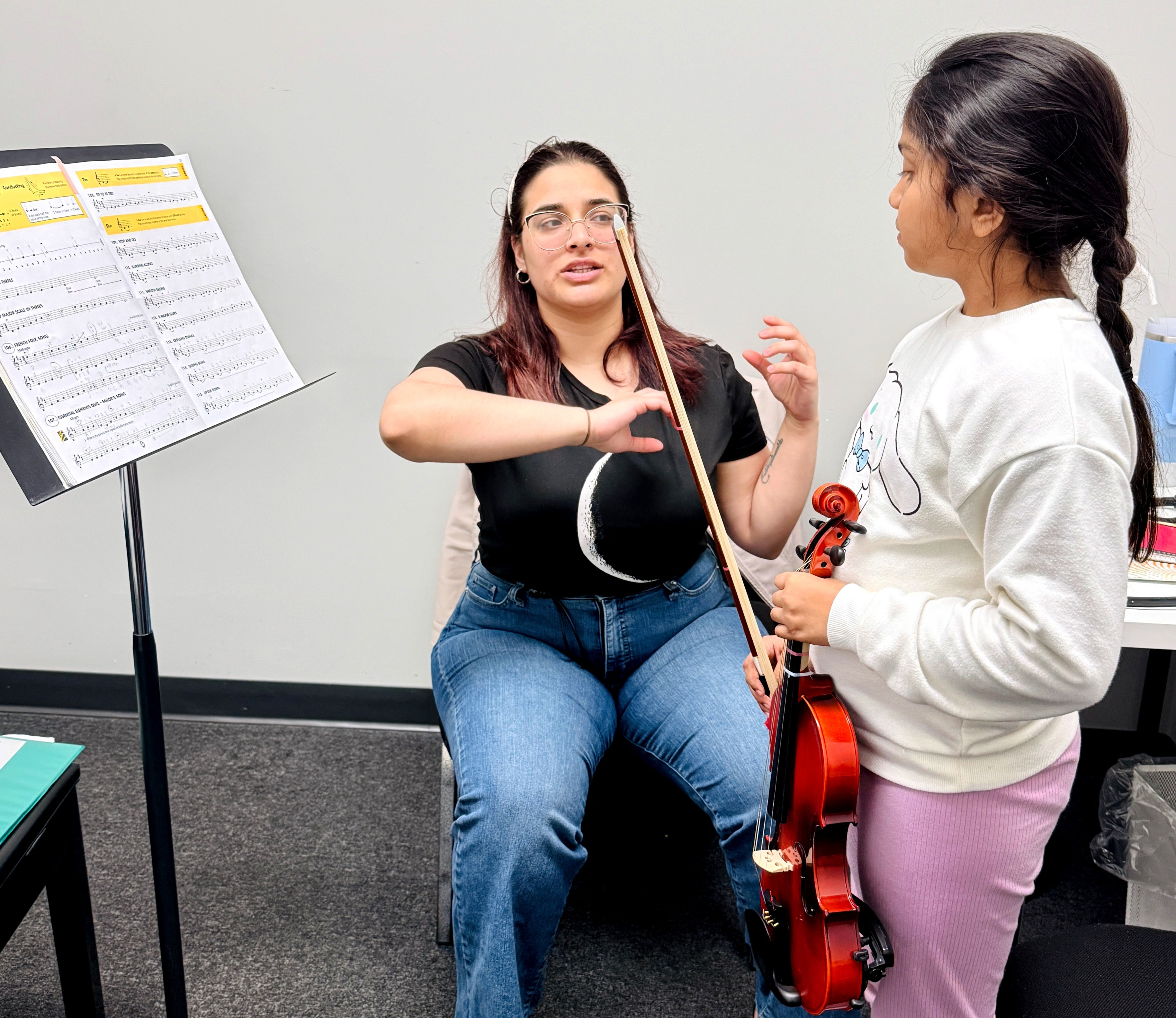
Celebrates small wins, like a clean bow hold or a new note
Keeps goals realistic and positive, not scary or harsh
Teaches students how to practice without pressure, so they do not dread picking up the instrument
At Music Academy of Texas, we match students with instructors who fit their personality, goals, and schedule. Some students arrive as total beginners, just joining orchestra for the first time. Others switch from violin or another instrument because they want the warmth and balance of viola. We help each family decide what makes the most sense and then build a plan that supports both choir and orchestra success.
Late summer and early fall are a smart time to get set up before school events stack up. Those first weeks are when schedules are still forming and lesson times are more open. Families can use this window to:
Set up a first meeting or trial lesson
Get help with instrument size, shoulder rests, and basic accessories
Talk through choir and orchestra calendars with a teacher who understands both
Once lessons are in place, students can walk into the school year feeling organized and confident. With the right fit, choosing viola helps them stay strong in choir, grow as leaders in orchestra, and still have space for the rest of life. Over time, they do not just become better musicians; they learn balance, focus, and the joy of supporting others through music.
If you are ready to grow your skills with personalized guidance, our experienced instructors are here to help you succeed. Explore our tailored viola lessons in Katy to find the learning path that fits your goals and schedule. At Music Academy of Texas, we work with students of all ages and levels to build strong technique and musical confidence. Have questions or want to schedule your first lesson? Simply contact us and we will walk you through the next steps.
1 min read
Spotting the First Spark of Musical Readiness in Your Preschooler Spring in Katy has a special kind of energy. School calendars open up, sports...
1 min read
Turn Marching Band Beats Into Your Own Unique Groove A lot of school drummers reach a point where playing only what is on the page is not enough. The...
1 min read
Discover Your Best First Instrument in Katy Choosing a first instrument is exciting, but it can also feel a little overwhelming. Piano, guitar, and...