Turn Limited Time Into Real Musical Progress
Busy workdays, long Houston commutes, and kids’ activities can make music practice feel impossible. By the time everyone gets home, there is homework, dinner, and maybe a quick walk for the dog. Music practice often gets pushed to “later,” and later never comes.
The good news is that kids do not need long daily practice marathons to grow as musicians. With smart, focused practice, even a packed week can still lead to real progress. Short, clear routines help students remember what they learned in lessons and show up confident and ready to move forward.
At Music Academy of Texas, we work with many families in Katy, Cinco Ranch, and Cy-Fair who are juggling work schedules, traffic, and seasonal changes like back-to-school and summer camps. We have seen that simple practice “hacks” can make a huge difference. Let us walk through some ideas that fit real Houston life and help your child keep loving their instrument.
Rethink What Counts as Good Practice
Many parents picture “good practice” as 45 minutes or an hour at the piano or with a guitar. That is harder to pull off on a weeknight when dinner, laundry, and school projects are all calling. The truth is, consistency matters more than big chunks of time.
On busy days, 10 to 15 minutes of focused work can still help a lot. The key is to give that time a clear purpose. Instead of playing an entire piece over and over, we want students to zoom in on one skill at a time.
Try thinking of practice like this:
-
One mini-session for tricky measures or trouble spots
-
One mini-session focused on rhythm or counting
-
One mini-session for warm-ups like scales or vocal exercises
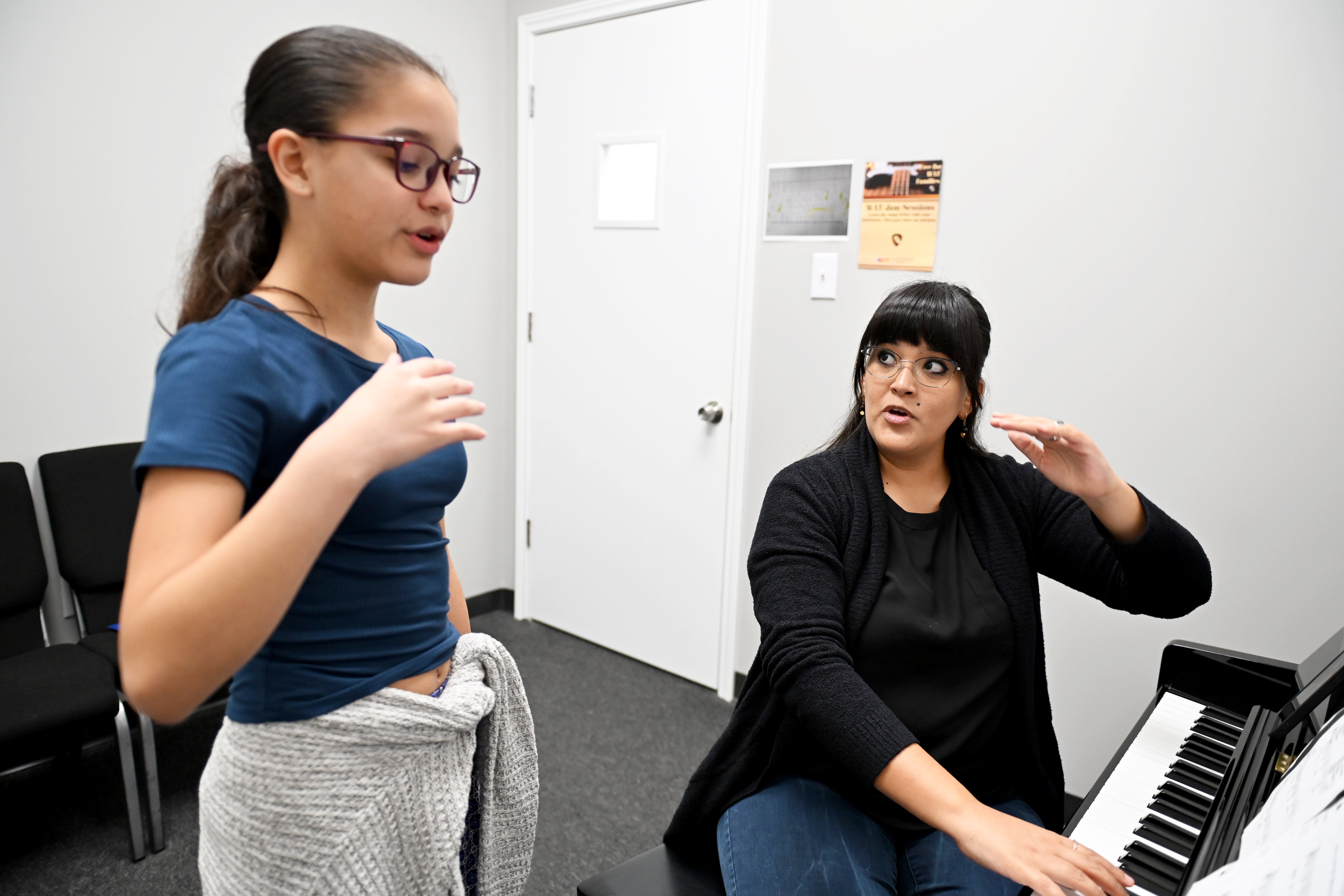
If your child studies piano, they might spend 5 minutes just on a hard line in the middle of a song. Voice students might do a quick warm-up that their teacher gave them, then sing one verse with special attention to breathing. Drum or guitar students can slow a section way down and repeat it a few times with a steady beat.
The most helpful step is to line up practice goals with what the teacher is assigning. A quick look at the lesson notes before practice starts can guide which small goals to pick so every minute connects back to lesson work.
Build Practice Into Your Family Routine
Music practice gets easier when it is treated like brushing teeth, not like a big special event. Instead of asking, “When will we practice?” ask, “What daily habit can we attach practice to?”
Some ideas that work well for many families:
-
Right after homework, before screens turn on
-
While dinner is in the oven or during meal prep
-
As a short, calm activity before bedtime
During the school year, there might be a 20- to 30-minute window between after-school snack and evening activities. That can be a great time for a quick lesson review. In the summer, practice might fit best in the morning before camp, outings, or pool time.
It also helps when the plan is clear for everyone. A visible schedule makes it easier for kids to follow through without as many reminders. You can:
-
Put a simple weekly practice calendar on the fridge
-
Use a shared family app to mark practice times
-
Add practice to the same calendar that holds work shifts and sports
The goal is not perfection. Even if the plan changes some days, having a “default time” keeps practice from getting lost in the chaos.
Use Micro-Moments for Big Musical Gains
Some days are so full that even 15 minutes is hard. That is where “micro-practice” comes in. These are tiny moments, 2 to 5 minutes, that keep skills sharp between lessons.
Think about:
-
Finger exercises at the piano while you wait to leave the house
-
Silent note naming using a music book in the car
-
Rhythm clapping games while standing in line or waiting for siblings
Instrument-specific ideas can be simple and fun:
-
Voice: breathing exercises in the mirror, gentle sirens on a soft “oo” sound
-
Guitar: switching between two chords slowly during TV commercials
-
Drums: light rudiments on a pillow with sticks or even pencils
These small bursts keep the brain connected to the instrument. At a Houston music school lesson, teachers can tell when students used even a few of these tricks. It helps prevent that “start over” feeling after a very busy week, holiday, or trip.
Make Practice Motivating, Not a Daily Battle
Practice fights can wear everyone out. Instead of focusing on how long your child practices, try focusing on their effort, honesty, and small wins. Praise sounds like, “I noticed you went back and fixed that part,” instead of, “You only practiced 10 minutes.”
Simple reward systems can help, especially for younger students:
-
Sticker charts for each day they complete their practice goal
-
Points toward a fun weekend activity
-
Earning the right to choose a “just for fun” song to work on next
Music feels more exciting when it is shared. You can:
-
Host a tiny “living room concert” once a month
-
Ask siblings to be the audience or pretend judges
-
Record a short video to send to grandparents or to show the teacher
When practice becomes about sharing music, not just “checking the box,” kids are more likely to stick with it, even when school and family life are busy.
Partner with Your Houston Music School Teacher
You do not have to figure this out alone. Your child’s music teacher is a teammate who can help you shape practice around your real schedule. Let them know about work hours, sports, church, and other activities.
You can ask for:
-
A “busy week” plan with only the top 2 or 3 things to focus on
-
Clear markings of which measures or sections matter most
-
Simple audio tracks or recordings your child can listen to or sing with in the car
Regular check-ins make a big difference. During back-to-school season, holidays, or summer break, it is normal for routines to shift. Talk with the teacher about what is realistic so your child keeps growing without pressure that does not fit your family.
Start Your New Practice Plan This Week
You do not need to redo your whole life to support your child’s music. Pick just one or two ideas to test this week. Maybe it is a 10-minute “right after homework” slot plus one tiny micro-practice in the car.
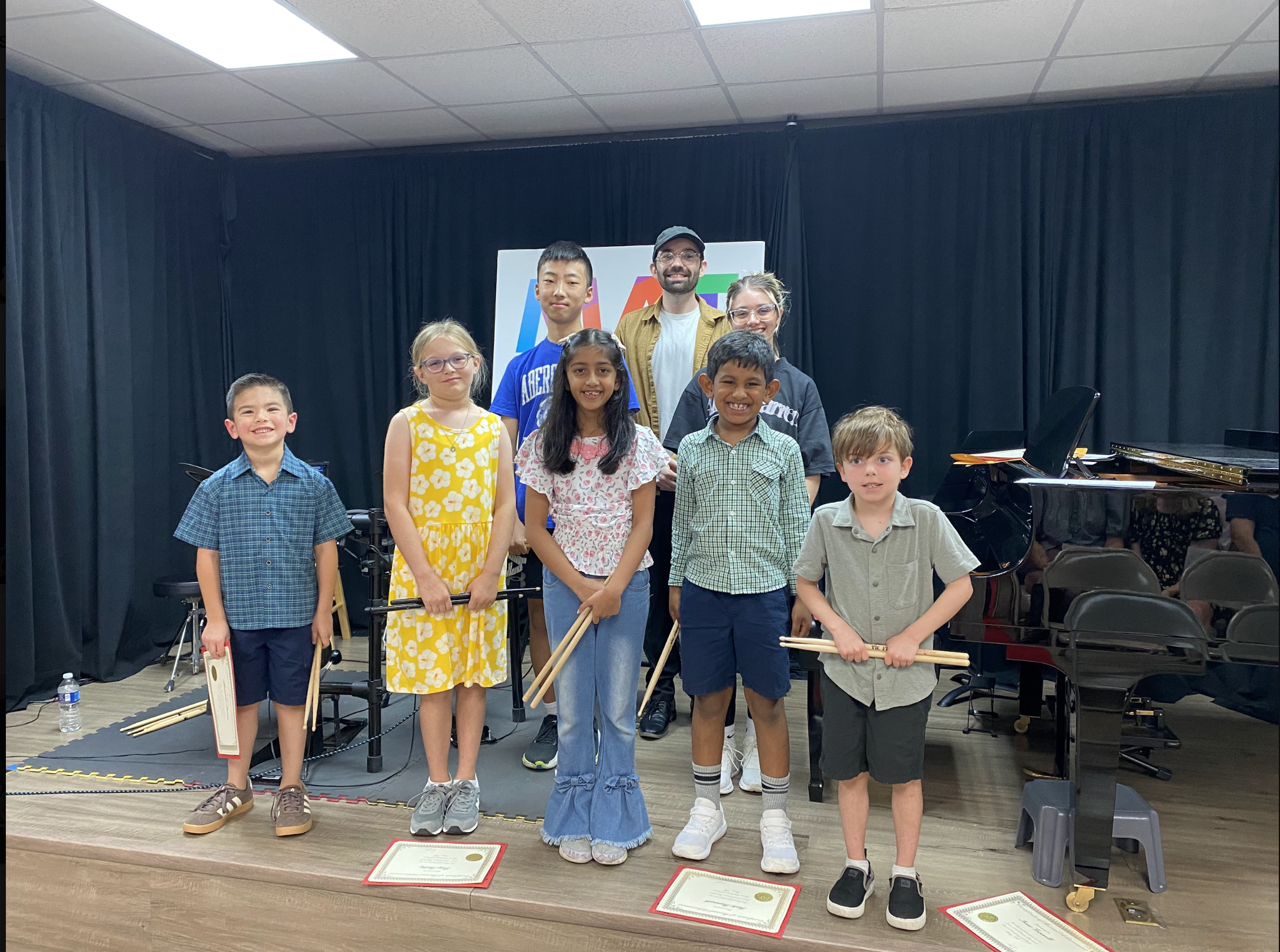
Sit with your child and choose a short-term goal. It could be getting ready for a fall recital, learning a favorite holiday song, or feeling confident with a new level of music. When the goal feels clear and reachable, even small practice sessions feel more meaningful.
At Music Academy of Texas, we see every day that busy working parents can raise strong, happy musicians. With a few smart practice hacks and a little teamwork, your family can keep music growing right alongside work, school, and everything else calling for your time.
Start Your Musical Journey With Confidence Today
If you are ready to grow as a musician, our Houston music school is here to guide you every step of the way. At Music Academy of Texas, we tailor each lesson to your goals so you can build real skills and enjoy the process. Take the next step by scheduling your first lesson or reaching out with questions. You can contact us today to get started.