Discover Your Best Path as a Singer in Katy
More people in Katy are singing than ever before. Choirs, worship teams, school musicals, local bands, and online platforms all need strong voices. With so many chances to perform, a big question comes up: should you take professional singing classes or keep things light and recreational?
This choice is not really about how “good” you are. It is about what you want from singing, how much structure you like, and how much time you can honestly give. In this article, we will walk through how the two tracks are different in training, expectations, and time, and how you can choose the one that fits your life, especially as summer schedules open up and new school-year plans are forming.
What Makes Singing Lessons Professional or Recreational
When we say professional singing classes, we mean lessons built to prepare you for serious goals. That might be auditions, paid gigs, lead roles, studio work, or college music programs over the long term. These lessons are planned with a clear path forward.
Professional singing classes usually include:
-
Long-term planning with specific milestones
-
Strong focus on technique and vocal health
-
Regular performance or audition preparation
-
Measurable growth in range, control, and stamina
Recreational singing lessons are different. They are about joy, self-expression, and stress relief. The goals are softer and more flexible, and there is less pressure around performance.
Recreational lessons often center on:
-
Singing favorite songs and styles
-
Growing confidence and stage comfort
-
Enjoying music after work or school
-
Learning at a relaxed, student-led pace
The mindset is what really sets the two apart. On the professional track, we look closely at small details, like tone color and breath timing, and we check progress often. On the recreational track, we still build healthy habits, but we move slower, and fun is the main driver.
Professional lessons tend to fit:
-
Kids and teens who love choir or theater
-
Students aiming for solos or honor groups
-
Worship leaders and band singers
-
Adults curious about a side career or regular gigs
Recreational lessons fit well for:
-
Busy adults who want a creative break
-
Young children just starting music
-
Students loaded with sports or school work
-
Anyone who wants singing to stay low-pressure
How Training, Curriculum, and Feedback Change by Track
Both tracks should keep the voice healthy, but the depth of training is not the same. In professional singing classes, we spend more time on breath management, resonance, and registration, which is how you blend chest, head, and mix voice. For some styles, there may be work on diction in more than one language and detailed shaping of phrases.
Recreational lessons still teach:
-
Posture and breathing basics
-
Simple warm-ups and cool-downs
-
Clear vowel shapes and safe volume
-
How to sing favorite songs without strain
The professional path adds more:
-
Advanced breath control and phrasing
-
Mix voice, belt, and stylistic nuance
-
Articulation and diction for auditions
-
Long-term planning for vocal health
Repertoire and structure also look different. On the professional side, you might work through graded pieces, audition cuts, or a mix of genres like pop, musical theater, and classical. Ear training, sight singing, and basic theory are often part of the plan so that you can read music, adjust quickly with bands or pianists, and handle rehearsals with ease.
On the recreational side, we might build lessons around:
-
Karaoke favorites or radio hits
-
Worship songs or praise sets
-
Band or open mic material
-
Music that calms, motivates, or inspires you
Feedback changes too. Professional students usually get detailed notes, targeted drills, and mock auditions where we talk through what went well and what needs work. Recreational students get more big-picture feedback, like “Your breath support is stronger this week” or “You looked more relaxed on that chorus,” with fewer tiny corrections in each phrase.
Expectations, Time Commitment, and Lifestyle Fit
One of the biggest differences between tracks is what happens between lessons. A professional track works best when students can commit to at least one weekly lesson plus several days of focused home-practice.
For many professional students, that might look like:
-
One lesson each week
-
Practice 4 to 6 days most weeks
-
Sessions of about 20 to 45 minutes, depending on age and level
Recreational students still benefit from practice, but it can be more flexible. Some may sing along to tracks a few times a week, warm up their voice briefly, or review one or two key exercises without a strict schedule.
Performance and accountability are also part of the picture. Professional singers are more likely to:
-
Perform in regular recitals
-
Attend auditions and competitions
-
Record video or audio projects
-
Join studio classes or workshops
Recreational singers might choose:
-
Low-pressure recitals or open mics
-
Singing at family or church events
-
No public performances at all
Family schedule matters a lot, especially in a busy area like Katy. It helps to look at:
-
Sports seasons and practices
-
Homework load and test weeks
-
Church, work, or volunteer time
-
Commutes and family routines
The best track is the one that fits without causing burnout. Singing should support mental health and bring joy, not add more pressure than you can handle.
How to Choose the Right Track for You or Your Child
A helpful first step is to be honest about your “why.” Ask yourself or your child clear questions, like:
-
Do you want a career in music someday?
-
Are you aiming for solos or lead roles?
-
Do you hope to audition for a college program?
-
Or do you mainly want stress relief and confidence?
Try to think in terms of the next 6 to 12 months, not just “maybe one day.” If a student is excited to practice, open to detailed feedback, and curious about deeper musicianship, a professional track can be a strong fit. If a student is very busy, anxious about pressure, or still building basic confidence, a recreational track may be better for now.
The good news is that this choice is not permanent. Many singers start recreationally, fall in love with progress, and then shift into more professional singing classes as their interest grows. Others start on a professional path and later decide to slow down when school, work, or family needs change.
A supportive teacher will:
-
Revisit goals regularly
-
Adjust lesson structure as life changes
-
Help you move between tracks smoothly
That way, your singing path grows with you.
How Music Academy of Texas Supports Both Singing Paths
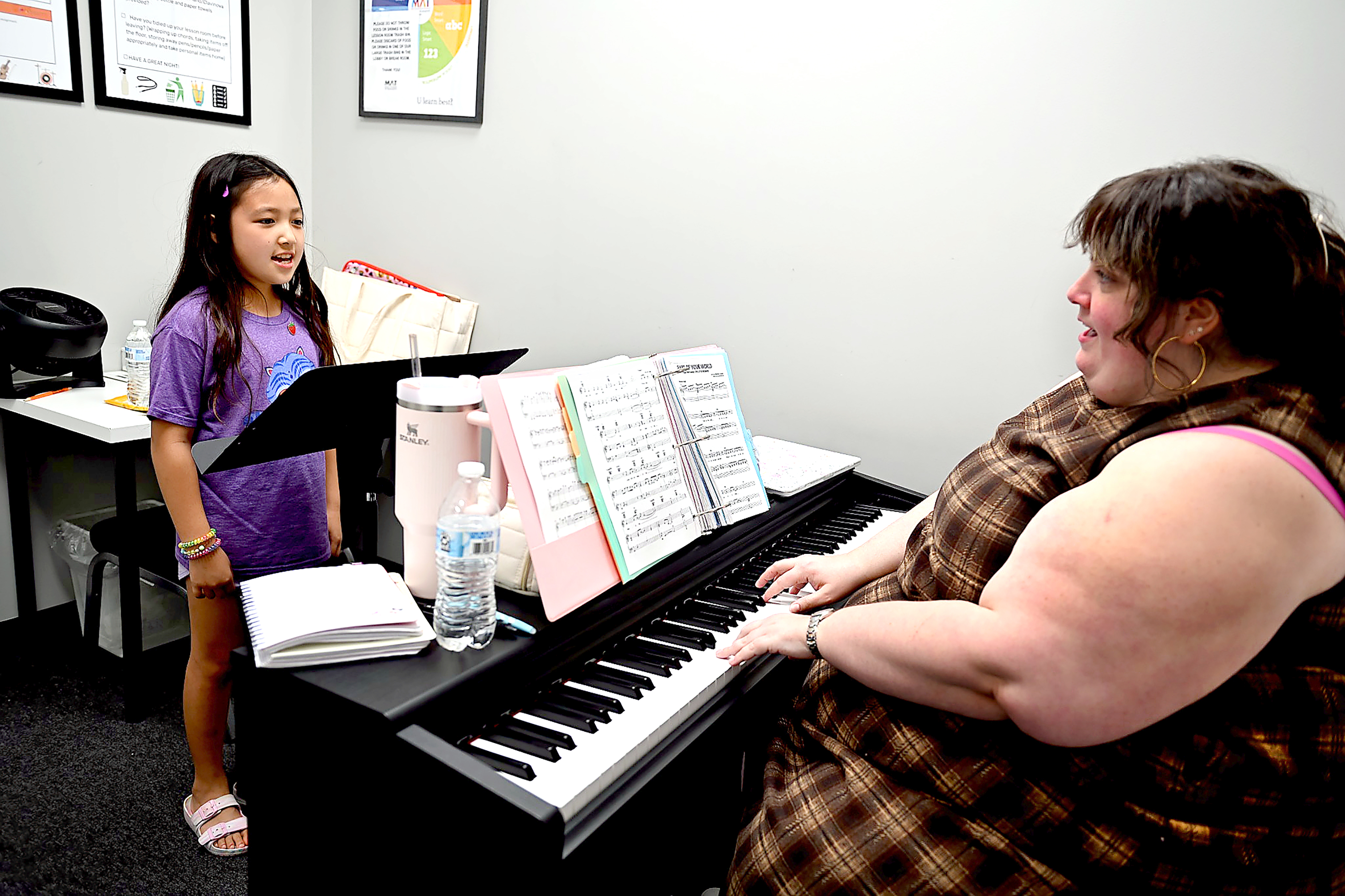
At Music Academy of Texas, we offer one-on-one voice lessons in the Katy and Cy Fair areas, and that personal format makes it easy to shape lessons to either track. Some students come in ready to chase auditions, while others simply want a calm, creative hour each week. Both are welcome.
Our teachers work with students to:
-
Set clear, realistic goals
-
Choose songs that fit the track and the voice
-
Build healthy technique at every level
-
Create practice plans that match real life schedules
Our facilities are designed for focused learning, and they also feel inviting for beginners and hobby singers. As summer brings more open days and lighter school demands, it can be a great time to test a new approach, explore a different style, or gently increase commitment before the school year fills up again.
Whether you lean toward professional training or recreational lessons, the most important thing is that your path feels right for you right now. Your voice deserves patient, thoughtful guidance, whether you sing for the stage, for your community, or simply for the joy it brings.
Take The Next Step Toward Your Best Voice
If you are ready to build real confidence and control in your singing, our professional singing classes are designed to help you get there. At Music Academy of Texas, we tailor every lesson to your goals, experience level, and favorite styles so you can hear progress faster. We would be happy to answer your questions and help you find the right lesson schedule for your life. Reach out anytime through our contact page to get started.